All cargo owners must choose the most appropriate way to transfer their goods from origin to destination. There are many ways to do this, but it’s essential to consider several factors that may affect your decision before your know-how, such as quality CDL training can assist you in delivering your loads safely. This article will look at six different transportation options and what you should consider when choosing the best one for your needs.
1 . Rail
This option is excellent if you have many semi-heavy or heavy cargo that requires miles of travel to reach its destination. You can also use rail transportation if the shipping time is not an issue as it takes significantly longer than other modes of transport. If speed is crucial, this might not be the right method for you, but if you’re willing to wait for several days or even weeks, rail transportation may be the right choice for you.
2 . Sea Shipping
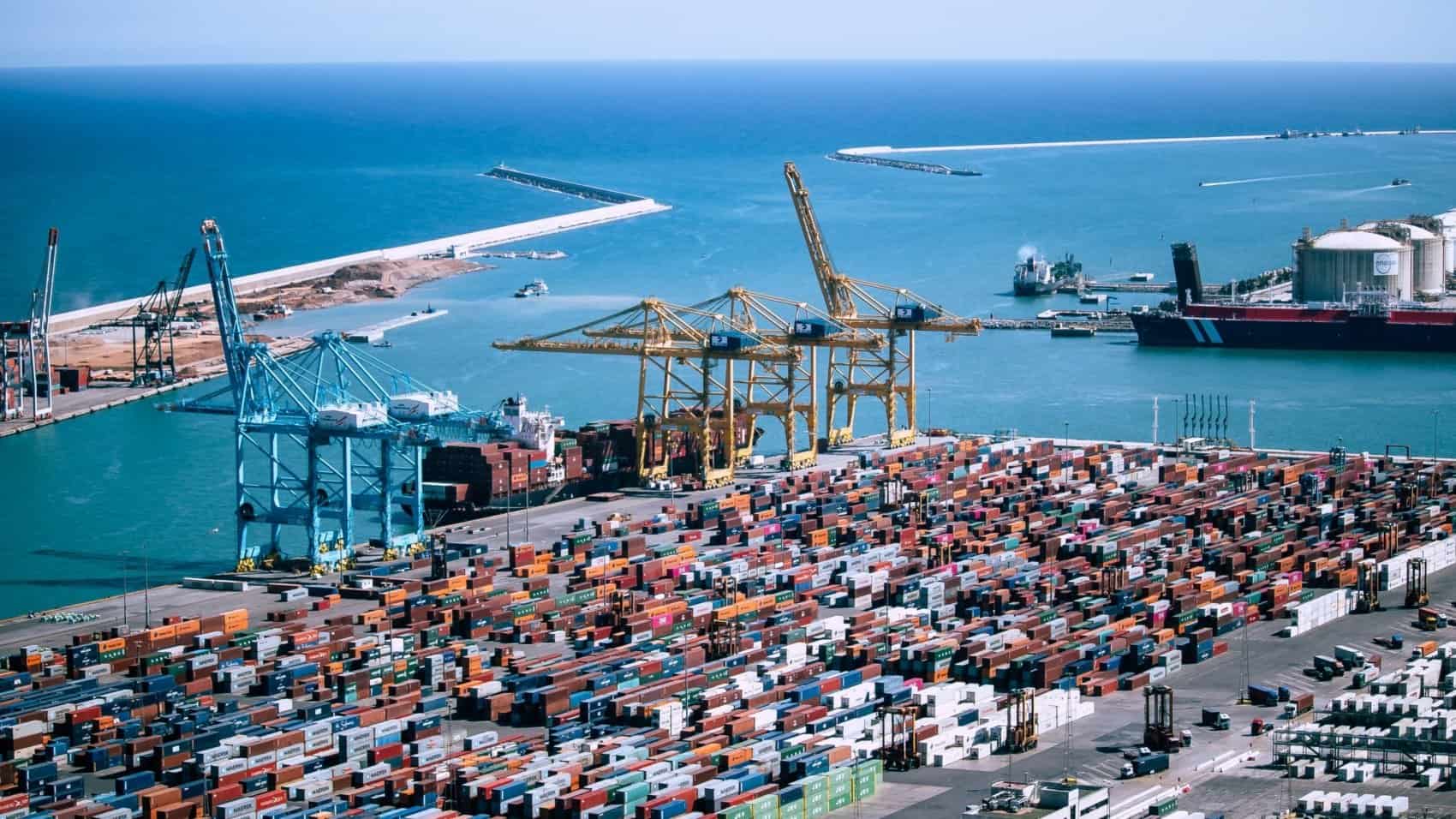
It is often considered one of the safest methods available because it uses water to cushion between your cargo and the ground. A ship is an enormous floating boat attached to moorings on both ends of its route. Ships are essential because they allow for greater capacity than trains and the speed at which they travel varies based on different factors like size, draft (water depth), and weather conditions. Another benefit is that it’s relatively affordable compared to other modes of transportation; however, some significant disadvantages include delays due to poor weather conditions, accidents at sea, and problems with loading/unloading.
3 . Air Shipping
This method is popular for time-sensitive items because you can rest assured that they will arrive on time. Air shipping also provides convenience for many companies, but it’s crucial to note that your cargo needs to be appropriately packaged to avoid damages during flight. Ensure that the weather conditions are safe for flight, or else shipments may experience delays or even accidents due to turbulence and poor visibility. This method isn’t as cost-effective as ground transportation. Still, it does provide a high level of efficiency and speed, which makes air transport important for businesses who need reliable delivery services. If the distance is excellent, air transport is an option worth considering because cargo can travel hundreds of miles in just a couple of hours.
4 . Road Transportation
It is one of the most common options chosen by business owners because it’s within their budget, which means it’s an excellent choice for many small to medium-sized businesses. One of the most significant benefits of choosing this transportation method is taking your cargo nearly everywhere. The only real problem with road transport is that driving may be very difficult or impossible if you have a lot of cargo or heavy items as some areas don’t have roads designed to handle large vehicles and loads.
5 . Combination Transport
There are times when using more than one option for transporting your goods will ensure that they arrive at their destination safely and on time. For example, air shipping may be the best option for some deliveries, but it can be expensive if many items are to ship. In this case, it may be cheaper and more convenient to send your cargo by road with select items air shipped. Although both transportation methods are relatively slow compared to other modes of transport, they work well together because one example is predictable. In contrast, the other requires flexibility depending on certain factors like time and weather conditions.
6 . Inland Transport
This method only applies if you need to ship goods within a country because companies with warehouses or distribution centers in different locations across the nation often use it. This type of transport is great for heavy items because there are no water obstacles between your warehouse and destination which means that ground travel is usually the most efficient method. On the other hand, it’s a prolonged process, so many companies choose to use a combination of transport options like road and rail to deliver their goods. Because this mode of transportation can be very costly when moving cargo across long distances, it may not be the right choice for every business owner to use when transporting goods.
Wrapping Up!
As you can see, deciding which transportation method is best for your company depends on various factors like budget, time, and the size of the items to be shipped. If these factors are carefully considered, it’s possible to pick a suitable option that works well with your business practices and ensures that products get to buyers on time without too many complications.