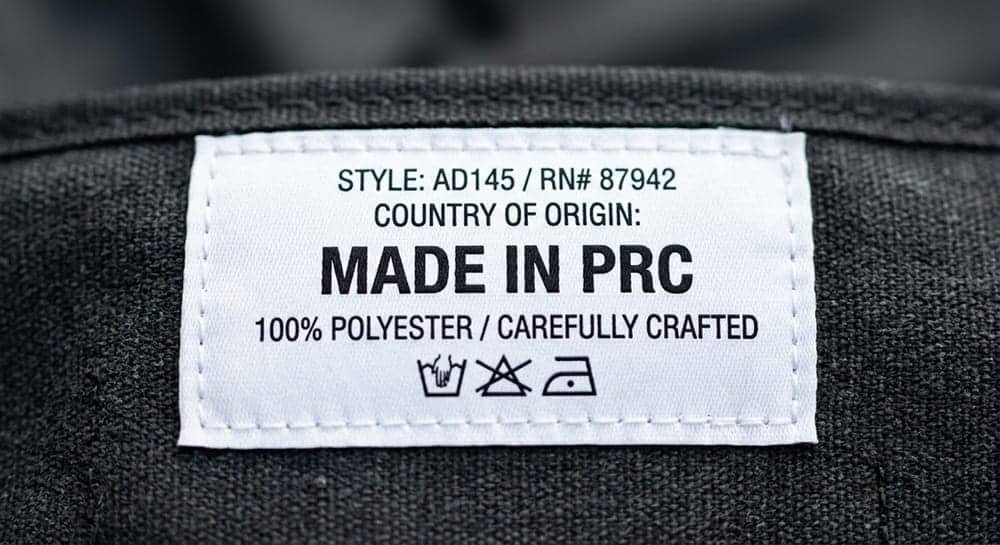
If you’ve noticed a product labeled made in PRC, you may be wondering about the exact made in PRC meaning, the PRC country of origin, and how it compares in the debate of made in PRC vs made in China. Many buyers also ask: Is PRC the same as China? and Is Made in PRC original? Others see terms like assembled in PRC and question how that affects product value.
PRC stands for the People’s Republic of China, which is the official name of China. This means the country of manufacture, manufacturing country, and factory origin are all China. Whether the product label says made in China or made in PRC, the legal country of origin remains the same.
For importers handling PRC products and other Chinese products, understanding product origin marking, proper China origin label standards, correct import labeling, and accurate customs label documentation is critical. These rules apply to all import goods, and compliance often requires confirming the manufacturer code and factory documentation.
This guide explains everything you need to know.
What Is the Made in PRC Meaning?
The made in PRC meaning is straightforward: the product’s country of manufacture is China.
PRC is simply the abbreviation for the People’s Republic of China. In international trade documents, you may see:
- PRC
- China
- CN (ISO country code)
- People’s Republic of China
All indicate the same manufacturing country.
From a regulatory perspective, the factory origin is China. There is no separate country called PRC.
Is PRC the Same as China?
Yes. ✅
When people ask, Is PRC the same as China? — the answer is yes.
PRC is the official political name of China. The country of origin does not change whether the label says PRC or China. Customs authorities treat both the same when processing import goods.
For buyers and retailers, the important factor is not the abbreviation but ensuring compliance with product origin marking laws in the destination country.
Made in PRC vs Made in China
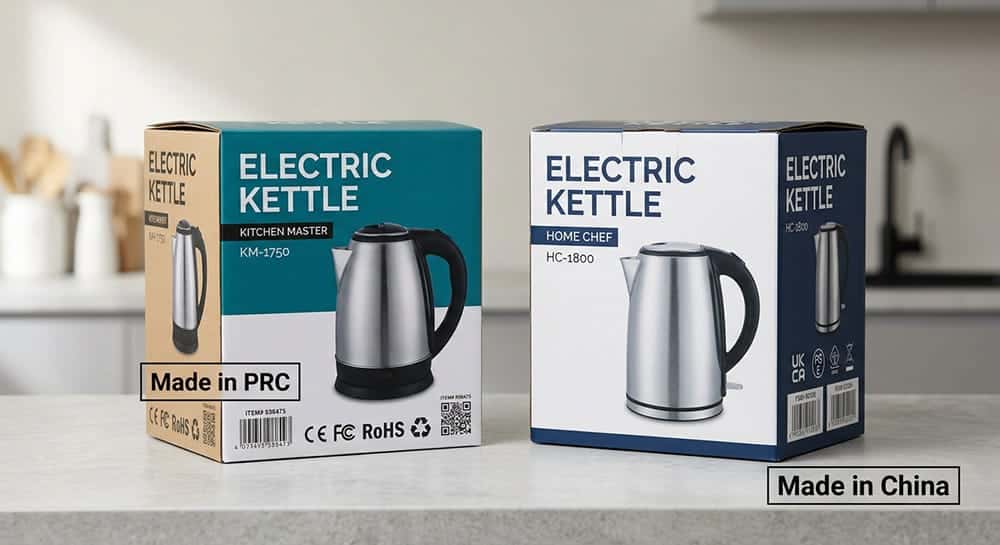
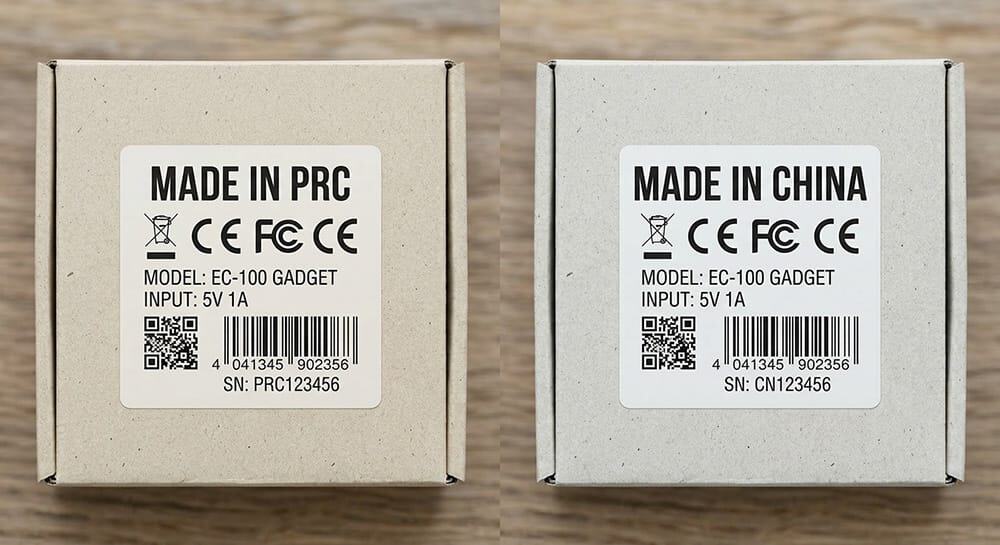
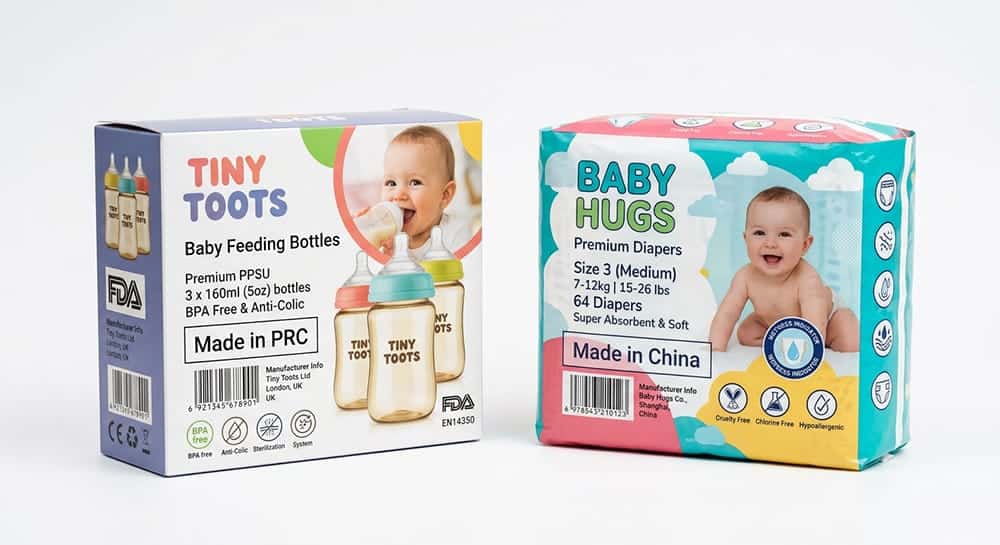
The topic of made in PRC vs made in China often creates confusion, but there is no geographic difference.
Both indicate:
- The country of manufacture is China
- The manufacturing country is China
- The factory origin is China
Some brands choose PRC for branding reasons, but legally it is equivalent to made in China.
For import labeling compliance, most countries accept PRC because it is widely recognized as referring to China. However, some retailers may require the full name printed clearly on the product label.
Assembled in PRC vs Made in PRC
You may also see products marked assembled in PRC.
This indicates final assembly occurred in China, but components may originate elsewhere.
The difference depends on “substantial transformation” rules used by customs authorities to determine country of origin.
- Made in PRC → Significant manufacturing occurred in China
- Assembled in PRC → Final assembly completed in China
Importers must verify correct product origin marking to avoid customs issues.
Is Made in PRC Original?
Another common question is: Is Made in PRC original?
The label itself does not determine authenticity.
China is the world’s largest manufacturing country, producing goods for:
- Global luxury brands
- Electronics leaders
- Industrial manufacturers
- Private label companies
PRC products include both OEM and ODM production. Authenticity depends on:
- Supplier legitimacy
- Authorized production agreements
- Proper manufacturer code verification
- Transparent supply chain documentation
The wording “made in PRC” does not indicate counterfeit goods.
Understanding PRC Country of Origin in Import Labeling
The PRC country of origin must comply with local import labeling regulations.
In the United States and many other markets:
- The product must clearly state the country of origin
- The marking must be permanent and legible
- The customs label must not mislead consumers
Import labeling errors can result in shipment delays, fines, or rejected cargo.
For businesses that source products from China, verifying labeling before shipment is essential.
If you’re looking to source products from China, always ensure documentation is correct and suppliers are verified.
Why Companies Use PRC Instead of China
Some companies prefer using PRC because:
- It aligns with formal export documentation
- It sounds more neutral
- It avoids outdated consumer perceptions
However, in modern global trade, Chinese products span all quality tiers. Quality depends on:
- Engineering standards
- Production oversight
- Supplier capability
Working with verified Chinese manufacturers significantly reduces sourcing risk.
Compliance, Manufacturer Code & Customs Label Requirements
When importing goods, authorities may require:
- Accurate customs label declarations
- Verified manufacturer code
- Clear product origin marking
- Correct documentation of country of origin
Incorrect labeling can cause delays at ports.
Importers should confirm that factory origin documentation matches shipping paperwork.
Many companies work with a professional China sourcing agent to manage compliance. Learn more about assisted buying here  www.dtl-sourcing.com/our-services/assisted-buying/
Additionally, performing quality control before shipment reduces the risk of receiving incorrectly labeled goods www.dtl-sourcing.com/our-services/inspection-quality-control/
Best Practices for Importers Handling PRC Products
If you regularly import PRC products, focus on:
The label itself is straightforward — the execution of compliance determines risk.
Final Thoughts
The term made in PRC simply means the product was manufactured in the People’s Republic of China. There is no hidden meaning or alternative country involved.
Whether a product says made in PRC or made in China, the country of origin remains China. The difference lies only in wording, not geography.
For importers, the real priority should be:
- Transparent supplier verification
- Accurate customs documentation
- Proper product origin marking
- Structured quality oversight
Understanding labeling rules ensures smoother import processes and fewer compliance risks.
If you are currently sourcing products — or planning to —
tell us what you’re working on.
We’ll review your sourcing structure and identify potential risk areas before they become costly problems.