

dtl sourcing control panels china

The Benefits of Outsourcing Control Panel Manufacturing to Asia

In the world of making things, especially in electrical engineering, making control panels needs to be done very carefully to make sure they work well and are of good quality. As businesses try to make their operations better, they are using outsourcing to save money and get help from experts. Asia is a popular place for companies to send their control panel manufacturing work. This article talks about how companies can benefit by getting control panels made in Asia. It explains how this can make the company work better, make better products, and be more competitive around the world.
 

The Evolution of Outsourcing in Manufacturing

Outsourcing used to be just about saving money, but now it is a more complex strategy that involves more than just paying lower wages. Businesses want to save money, but they also want to use outsourcing to get specific skills, make their work more efficient, and have more flexibility. Making control panels involves putting together important parts like fuses and circuit breakers. It needs people with good technical skills, who can work with great accuracy and can make things quickly. By having companies in Asia make their products, businesses can save money and improve how they operate.


Access to Specialized Skills and Expertise

One of the main benefits of hiring companies in Asia to make control panels is that they can find lots of skilled workers with the right knowledge. Asian countries like China, India, and Taiwan have spent a lot of money to get better at engineering and technical stuff. This investment has led to a team of people skilled at managing difficult manufacturing procedures, such as putting together control panels. Companies can use workers from Asia without having to spend a lot of money on training or hiring them.
Furthermore, companies in Asia have lots of experience working with many different types of businesses. They can share helpful tips and ideas to make control panels better. Asian manufacturers have a lot of knowledge about making things more efficient and keeping up with new technology. This helps businesses to stay ahead in their industry.


Cost-Effectiveness and Operational Efficiency

Outsourcing control panel manufacturing to Asia is a good idea because it’s cheaper. Labor costs are going up in Western countries, but in Asia, prices are still good and the quality is not affected. This means that we save money not just on labor, but also on materials, buildings, and other expenses. Therefore, companies can save a lot of money by using the cost advantages and efficient operations of Asian manufacturers.
In addition, hiring companies in Asia helps businesses improve their supply chain and make their production faster. Asian factories are placed close to places that make electronic parts, so they can get what they need on time and make things smoothly. By reducing wait times and making shipping more efficient, companies can make their products faster and better meet customer needs, which helps them stay ahead in fast-paced industries.


Quality Assurance and Compliance Standards

Even though people were worried about how well Asian manufacturers are checking the quality of their products, they have made a lot of progress in making sure their products meet high-quality standards and rules. Many Asian countries have put in place strict systems for making sure products are of good quality and meet international standards like ISO 9001 and ISO 14001. Furthermore, companies also spend money on high-tech equipment and technology to make sure their products are accurate and dependable.
In the world of making control panels, Asian manufacturers focus on making sure the panels are safe and reliable. They work hard to meet strict quality standards. Asian manufacturers make sure their products are high quality by doing thorough testing and following industry certifications like UL and CE. They focus on quality at all stages of making the product. Companies can reduce the risk of product problems by hiring companies in Asia to make their products. This will help keep their reputation good and make customers trust them for a long time.


Scalability and Flexibility

One more important benefit of having control panels made in Asia is that it helps businesses to easily adjust the production and have more options. Asian factories can handle making a little bit of stuff or a lot of stuff quickly and well. This ability to grow helps companies change their production to match market changes without spending too much money or having limited resources.
Additionally, hiring another company in Asia allows businesses to concentrate on what they are best at and what is most important to them. By having other companies in Asia make their products, companies can focus on coming up with new ideas, doing research, and finding ways to sell their products in more places. This plan helps companies to be quick and flexible in a changing and competitive market, to keep growing and making a profit in the long term.


Conclusion

In summary, having control panels made in Asia has a lot of advantages for companies. It helps them work better, compete more, and make higher-quality products. Businesses can use the skills and hard work of people in Asia to make products at a low cost and with good quality. This can help them work better and grow faster.

In this case, putting important parts like fuses and circuit breakers in control panels shows how important it is to make them very carefully and make sure they work well. This also shows why hiring companies in Asia to do this work is a good idea. By using the knowledge and skills of Asian manufacturers, companies can make sure that control panels work well and are safe in different industries. Many companies are sending their control panel manufacturing work to Asia because they want to save money and make better products.

eyosias-g-Vn5JVvpleCc-unsplash (1)

Chinese Tires Making Their Way Into Foreign Markets

The Chinese tire industry has grown dramatically over the past few years, especially when you consider where it started. The Chinese government has been pushing its companies to enter overseas markets, but many of these companies feel unprepared. The U.S., Germany, France and Japan have all instituted tariffs on Chinese tires that have been deemed unsafe for use on their roads due to quality concerns. China’s state-owned tires have historically been a better product than those produced by foreign companies. China’s major tire manufacturers have developed their own brands over the last decade and have chosen to focus on high-end markets such as SUV and luxury cars.


Chinese tire makers are in a position to make their mark on foreign markets:

In the last decade, China’s tire industry has undergone a rapid transformation. With strong government support and capital backing, Chinese companies have emerged as major players in the global marketplace.
In fact, many foreign consumers may be unaware of how many Chinese tires are on their vehicles because they are often marketed under other brands and names. For example: Michelin owns a minority stake in Wanli Tire Co., while Dunlop buys most of its tires from Shandong Ling Long Rubber Co.; Yokohama Rubber Company Limited has joint ventures with Shanghai Automotive Industry Corporation (SAIC) and First Auto Works Group Corporation (FAW).
It’s also working on safety compliance for trucking companies because trucks carry dangerous and expensive goods and it’s really important for a truck to have smooth and good quality tires!


The Chinese tire industry has been developing rapidly over the last few years:

The Chinese tire industry has been developing rapidly over the last few years. It’s now the world’s largest producer of tires, and its production capacity is expected to reach 30 million units in coming years.
The country’s tire exports have also been growing quickly; they reached $2 billion in 2017 and were up by 20 percent in 2018. This growth was driven mostly by rising demand from Africa and Latin America, where manufacturers are looking for cheaper alternatives to traditional European brands such as Michelin or Continental.

The largest consumer market in the world is still in China:

The largest consumer market in the world is still in China. The country’s population of 1.4 billion people is about three times that of the United States and nearly seven times that of the European Union’s combined populations.
China has been the world’s largest tire producer since 2012, according to data from Chengdu Industrial Tire Research Institute (CITRI). Its output has increased by more than 2% annually since then, reaching 25 million tires per year during 2017-2018–a record high for any single country on Earth!

The Chinese tires performance in foreign markets is overshadowing the domestic market:

The performance of Chinese tires in foreign markets is beginning to overshadow the domestic market. China’s low cost of labor and large production capacity have made it one of the world’s largest exporters of tires, but they face stiff competition from other manufacturers who are also trying to expand their business outside their home countries.
Chinese manufacturers have begun looking for ways to improve their product lines so they can increase their global market share. To do this, they need access to technology that can help them develop better products at lower costs than other companies in order to compete effectively with them on price and quality levels.

Foreign markets are beginning to recognize China’s unique place in the global tire industry:

As the world’s largest tire producer, China has been able to establish itself as a leader in global manufacturing and export. But now that Chinese tires are making their way into foreign markets, it is clear that these tires have distinct characteristics that set them apart from other manufacturers.
The unique nature of Chinese tires has caused some concern among experts who worry about whether or not they can compete with other brands on the market. However, many people believe that China’s place in this industry will only continue to grow stronger over time as they continue innovating new products and improving upon existing ones.

Chinese tires have a reputation for being cheap, low-quality and lacking innovation:

China has a reputation for producing cheap, low-quality tires. This is largely due to the government’s focus on making tires that are affordable rather than high quality. When you’re selling your tire to a market where most people make less than $5,000 per year and have little money for luxuries like new tires, it makes sense that you’d want to keep prices low so that more people can buy them.
However, this isn’t always the case: there are plenty of Chinese companies that produce high-end luxury car tires and truck tires as well (and they often cost twice as much). So why do some Chinese brands still have this reputation? It comes down to one thing: innovation–or lack thereof.

Most Chinese companies do not have the technology to produce high quality tires:

Most Chinese companies do not have the technology to produce high quality tires. The country’s tire industry is still relatively young, and most of its components are imported from abroad. For example, China only produces 1 percent of its rubber needs domestically and imports 98 percent from other countries like Thailand and Indonesia.

Different types of Chinese tires, include passenger tires and trucking tires:

There are many different types of Chinese tires, including passenger tires and trucking tires that are designed specifically for their respective industries.
The passenger segment is the largest category in China’s tire industry. It accounts for nearly 70% of the total sales volume of all car and light truck tires in China, as well as over 90% of the total market share in terms of revenue generation.
There are two sub-segments within this category: regular passenger car tires (RPC) and luxury sports utility vehicle (SUV) or crossover (CUV) tires. Both sub-segments have been growing rapidly in recent years due to strong demand from consumers who want quality products at reasonable prices; however, RPC remains more popular with consumers due to its higher quality compared with CUVs/crossovers.

You may want to consider buying Chinese tires if they fit your budget:

If you’re looking for a tire that fits your budget and offers the best value, Chinese tires may be worth considering. The fact that they are made in China has led many people to believe they can’t be as good as American or European tires, but this isn’t necessarily true. In fact, many Chinese tires are manufactured by companies with years of experience in the industry and use state-of-the-art technology in their production processes.
The prices of Chinese tires have been steadily falling over time due to increased competition between manufacturers and strong domestic demand for new cars in China itself–a trend that will likely continue as long as there is an increasing number of vehicles being sold every year.

There are around 300 tire manufacturers in China:

There are around 300 tire manufacturers in China, with an estimated annual output exceeding 100 million pieces. In fact, China is the world’s largest producer and consumer of tires. The industry has made great strides since its inception in 1958 when only 10 companies were producing tires at a total capacity of 1 million pieces. Nowadays there are more than 2,000 manufacturers with an annual output exceeding 200 million pieces.
China is home to many large-scale tire manufacturers including YOKOHAMA Rubber Company Ltd., Hankook Tire Co., Ltd., Michelin Group etc.

Conclusion

The Chinese tire industry has been growing rapidly over the last few years and it’s starting to make its mark on foreign markets. The Chinese government has been pushing its companies to enter overseas markets, but many of these companies feel unprepared. This is not surprising given how quickly things have changed in China over the last decade or so–but as we’ve seen with other industries, once they get started there’s no stopping them!

best practices for streamlining sourcing process

Best Practices for Streamlining the Sourcing Process for Electrical Control Panels

Efficiency in sourcing electrical control panels, particularly when it comes to components like analog PID controllers, cannot be overstated. By refining this process, companies can save time, reduce costs, and enhance the overall quality of their products. Analog PID controllers, critical for managing the temperature, pressure, and flow rates in industrial processes, require careful consideration during sourcing to ensure they meet the specific control needs of a project.
A streamlined sourcing procedure guarantees that these sensitive components and all necessary parts are delivered on time and meet the expected quality standards, ultimately impacting the project’s success. Here is how to do it:

Establishing Clear Specifications

The initial step in streamlining the sourcing process is to establish clear specifications. These guidelines dictate the standards and requirements for the electrical control panels, ensuring all stakeholders understand the needs clearly. Precise specifications serve as a reference, reducing the likelihood of miscommunication and errors.

Choosing Reputable Suppliers

Selecting reputable suppliers is critical. A reliable supplier will have a proven track record of delivering quality components on schedule. Building a strong relationship with such suppliers ensures that they understand your requirements and can provide customized solutions when needed.

Leveraging Technology for Better Management.

Advancements in technology offer tools for better sourcing process management. Utilizing software for inventory management, order tracking, and communication can significantly enhance efficiency. This digital approach allows for real-time updates and reduces manual errors.

Implementing Standardized Processes

Standardization is a powerful tool for streamlining operations. By establishing standardized sourcing procedures, organizations can ensure consistency and repeatability. This speeds up the sourcing process and makes it easier to train new staff and maintain quality control.

Negotiating Strategic Partnerships

Creating strategic partnerships with suppliers can lead to better terms and priority service. These relationships are built on mutual trust and the understanding that both parties benefit from streamlined operations. In the long term, such partnerships can lead to improved services and cost savings.

Maintaining Quality Checks

Quality checks are a non-negotiable part of the sourcing process. Implementing stringent quality assurance protocols ensures that every component meets the required standards before it’s integrated into the control panel. This minimizes the risk of future failures or safety issues.

Managing Inventory Efficiently

Efficient inventory management is pivotal for streamlining the sourcing process. Keeping track of stock levels and predicting future needs helps avoid last-minute rushes and ensures components are available when needed. This foresight helps in maintaining a balance between excess inventory and potential shortages.

Ensuring Continuous Improvement

The sourcing process should be dynamic, with continuous improvement as a key objective. Companies can adapt to changing markets and new technologies by regularly reviewing and optimizing procedures, further enhancing efficiency.

Adhering to Compliance and Safety Standards

Lastly, adherence to compliance and safety standards is essential. The sourcing process must align with industry regulations and safety guidelines to avoid legal issues and ensure the end-users’ safety. Compliance is a legal requirement and a testament to the company’s commitment to quality.

Conclusion: the Path to Enhanced Efficiency

In conclusion, streamlining the sourcing process for electrical control panels is a multifaceted endeavor. It requires attention to detail, a commitment to quality, and a willingness to embrace new technologies and practices. By following the outlined practices, companies can achieve a more efficient and reliable sourcing process, leading to better products and higher customer satisfaction. The journey toward enhanced efficiency is ongoing, and those who consistently seek improvement will remain competitive in this dynamic industry.

things to keep in mind-home appliances

Things to keep in mind before sourcing home electronics

Introduction:

I’m sure you’re familiar with the endless number of electronics available for purchase. From TVs to laptops, there are many companies to choose from if you want to buy home electronics. It’s important that you know what you’re looking for and not just rely on advertisements. The following information will help ensure that your next purchase is a good one:

Sourcing from reputable manufacturers:

Reputable manufacturers can be identified by their reputation and the number of years they have been in business. Reputable manufacturers are more likely to have a better quality product, as they take pride in what they produce. Same as reputable manufacturers you also need reputable property dealer for your house! They also tend to offer better customer service because they want you to come back and buy from them again!

Buying from reliable sellers:

Before you buy, it’s important to know the seller’s reputation. You can check online reviews from other customers who have purchased from the same company and read their experience with it.

If you are buying from an online store, then it is advisable that you check for the return policy of that particular store. This will help you decide if you want to go ahead with a purchase or not as sometimes items may be defective or damaged when they reach your doorstep.

Shipping policies also vary from place to place so make sure that these are clearly mentioned before making any purchases online or offline so that there is no confusion later on in case something goes wrong during transit between two parties involved (seller & buyer).

Payment methods include Visa/MasterCard/American Express cards as well as PayPal which allows users across different countries without having any physical presence! So don’t worry about being able to pay by using any particular type of card because most companies accept all forms available today which makes life easier overall when shopping around town.

Figuring out what you want to buy:

  • Know what you want to buy.
  • Find out more about the product before buying it.
  • Get information from the manufacturer.
  • Find out if the product is compatible with your device, needs, and budget.

Price is not the only criterion for selection:

You might be tempted to buy the cheapest product you can find, but there are several other factors that you should consider.

First and foremost is quality. If a product has a high-quality build and features, it’s going to last longer than something with shoddy construction or mediocre features (like less memory). You don’t want your TV breaking down just after the warranty expires, so make sure that any electronics you buy have good reviews and solid ratings on sites like Amazon or Newegg. Apart from checking the quality of the product you should also check your house’s electric connection and should go for any renovations if needed! Renovations are always important for your house be it your deck repair or any other!

Another important consideration is return policy: how easy will it be for me if I need my item replaced or repaired? You don’t want any surprises when purchasing home electronics–especially if they break shortly after purchase!

Finding the right price for your needs:

Before you start shopping for electronics, it’s important to have a budget in mind. The price of an item can vary widely depending on the quality of the product and where you buy it from. If you’re looking for something that will last a long time and work well with your home, then expect to pay more than if all you need is something cheap and disposable (like an alarm clock).

When negotiating prices with vendors or sellers, remember that they may be willing to negotiate even if they don’t advertise their products as having any kind of discount or sale price available. It never hurts to ask!

Finally, don’t forget about shipping costs when considering whether or not purchasing something will fit within your budget–some companies will offer free shipping while others charge extra fees based on weight or location; neither option is necessarily better than another so make sure both options are considered before making any decision about buying online versus visiting local stores.

Choose an authorized dealer:

When you are looking for a home electronics dealer, make sure that they are authorized to sell the product. Check if your preferred dealer is listed on the manufacturer’s website as an authorized reseller of their products.

You should also be wary of buying from unlisted dealers or shops who claim to be selling authentic goods but actually sell counterfeits instead. Counterfeiters often advertise themselves as “authorized” because this gives them legitimacy in the eyes of unsuspecting customers who may not know any better–and would rather not take time out of their busy schedules to do research before purchasing something online or in person at a store location (which could be anywhere from local businesses like Best Buy or Walmart all the way up through multinational corporations like Samsung). If you’re unsure whether something is genuine, check with reputable third-party websites such as Consumer Reports and UL before making any purchases so that you can feel confident about what exactly it is that you’re getting yourself into!

Realize the difference between original and fake products:

When you’re buying electronics, it’s important to know the difference between original and fake products. Original products are made by the company that created them–for example, Apple makes iPhones; Samsung makes Galaxy phones. These companies have a reputation for high quality products and customer service.

Fake electronics are often cheaper than their authentic counterparts because they’re made by companies that aren’t authorized to sell those brands’ merchandise (think counterfeit handbags or fake designer jeans). However, these knockoffs might not work as well as their genuine counterparts–or at all!

Always ask for a quote before making any purchase:

When you are buying home electronics, it is always advisable to ask for a quote before making any purchase. A quote will help you know what the cost of the product is, as well as other charges such as shipping and handling. You can use this quote to bargain with the seller if he or she doesn’t agree on your price range.

Cancellation Policy:

The cancellation policy is the time period you have to cancel your order. It’s different for each seller and it can also change depending on the product you ordered. Some sellers will let you cancel your order within 24 hours, while others give you up to seven days or even longer (but no more than 30 days).

Warranties and servicing:

  • Warranties are important.
  • Warranties are not always available.

How to check for a warranty before purchase:

  • Check the manufacturer’s website or call customer support directly to see if the product has a warranty.
  • If you can’t find it online, ask an employee at the store where you purchased your item (if they don’t know what “warranty” means in this context or aren’t able or willing to help, go elsewhere).

Delivery time:

Delivery time depends on the product and seller. Usually, delivery time is not more than a week. However, it’s best to ask for the delivery date in your order through our messaging system. If you need the product urgently, you can always pay extra for express delivery by choosing an expedited shipping option at checkout

Conclusion

We hope that this article has helped you understand the basics of sourcing home electronics. It may seem like a daunting task at first, but if you keep these things in mind, you’ll be able to make a more informed decision about what products are best for your needs–and save money in the process!

iqbal pohan w5lXOsuDPOk unsplash
DTL Sourcing at China Tire Expo 2023

Uncover the Excitement: Chinese Tire Expo 2023 Awaits You!

Dear Friends,

We hope this message finds you well and ready for an incredible tire journey! We’re absolutely excited to share some thrilling news with you. Our team at DTL Tyres (dtl-chinese-tyres.com) is gearing up for the 18th China International Tire Expo 2023, happening from September 4th to 6th. This event is the ultimate hub for tire enthusiasts and industry experts, and we can’t wait to dive right in.

A Sneak Peek at the Magic:

The Tire Expo is like stepping into a tire wonderland, and we’re bringing you a sneak peek into the excitement! Here’s a glimpse of some fantastic Chinese tire brands that we’ll be connecting with:

AUFINE   LONGMARCH   EVERGREEN   DOUBLE ROAD   DOUBLE STAR   KAPSEN   ANNAITE   AMBERSTONE   MARCHER   SAILUN   FARROAD   APLUS   LANVIGATOR   ROYAL BLACK   COMPASAL   TRANSTONE   BOTO   SUNITRAC   WANLI   SUNNY   ARMOUR   … and many more!

But hold on, the expo isn’t just about tires – there’s more to explore! A variety of companies will be showcasing not only tires but also wheels and tire accessories. For the full list of companies participating, simply click this link:

Get Ready to Choose Your Path:

Planning to Attend:

If you’re all set to attend the expo, we’re excited to meet up with you! Let’s chat about the fascinating world of Chinese tires, exchange thoughts, and create lasting connections.

Can’t Make It? No Problem at All

Can’t make it to the Expo physically? No worries! We’ll be your eyes and ears on the ground. We’ll represent your company, talk to the brands you’re interested in, and ensure your needs are heard.

To get started, simply share a few key details: let us know your location, the tire brands that have caught your eye, the sizes you’re looking for, and the quantities you’re considering. We’ll handle the rest with precision and care.

At DTL Tyres, our journey with Chinese tire manufacturers began in 2008, and we’ve fostered strong relationships over the years. With our experience, we’re perfectly positioned to understand your needs and advocate for them effectively.


The Tire Adventure Awaits!

Are you excited yet? We certainly are! Your tire journey is about to take off, and we’re here to make it a memorable one. Let us know how we can assist you in making the most of this incredible opportunity.

Rev up for an amazing ride!

Warm Regards,

Flavien SERRA
Director
DTL Tyres
contact@dtl-chinese-tyres.com

P.S. 🚀 Don’t miss out on exclusive updates and behind-the-scenes peeks! Connect with us on LinkedIn and Facebook to stay in the loop.

5 Ways To Drive Customer-centricity In Electrical Product Sourcing

Achieving business success can be a challenging task. Various industries have become increasingly competitive, and companies utilize cutting-edge technology and modern techniques to gain an edge. This is why business owners need to change their approach regarding their business. In this aspect, they need to make changes from the ground up and change their direction. This is where customer-centricity comes into play.
Customer-centricity is an approach where a business centers all aspects around a positive customer experience. This approach can be applied to all kinds of companies and all aspects. This includes an electrical store. However, an owner of an electrical store may be wondering how it can drive customer-centricity to its electrical product sourcing. For example, how could this be applied to sourcing an SMPS power supply? In this article, we will look at 5 ways you can do this. Without further delay, let’s dive in.

1. Purchase products that make your customers’ lives as easy as possible.

It is essential to understand that customers buy products that will make their lives easier. For this to happen, the product they purchase must be as easy to use and integrate. Therefore, when you are sourcing an electrical product, you must put yourself in the mind of your customers and see if the product you are sourcing will be easy to use. As an electrical store owner, you may understand much of the intricacies and complexities of the various electrical products on the market. However, these aspects may not be understood by an average customer. This is why you must try and make your customers’ lives as easy as possible for customer-centricity.

2. Make sure your products can be understood effectively by your customer service.

Customer service is a crucial aspect of a customer-centric approach. Your support teams will ensure that your customers are satisfied with their product and that any difficulties can be mitigated. This will provide satisfaction and a positive customer experience. Electrical products tend to be more complex than other products that most support teams will deal with. This is why ensuring that the products you source are easy enough for your support teams to understand is essential. At the same time, you also want to invest more in your customer service and hire talented people to pick up how these products work. In this way, they will be able to address all kinds of problems that customers may have.

3. Source what your customers want.

Customer-centricity revolves around making your customers as happy as possible. This is why you must source products that fit exactly what they want. To do this, you want to research your target customer base to understand what they want. If you, instead, invest in products in high demand, you will end up getting a share of none of the customers. This is why you must satisfy your customer’s needs directly instead of having them settle for the electrical products that you have sourced.

4. Target a specific customer base.

If you look at the electrical industry, it is incredibly vast, with different customer niches. Each of these customer bases has its own needs and demands. As an electrical store, you must target a particular customer base and build each aspect around their needs, including your product sourcing. Otherwise, your business will not tick the boxes for any customer base, and you will not be able to satisfy anyone. This will impact your profit. As a result, you should research the customers you are targeting and source exactly what they want. In this way, your product sourcing will be able to become more customer-centric.

5. Integrate customer feedback into your sourcing.

It would be best if you had some way to achieve effective and proper customer feedback. Sales will surely be an indication, but you want to have more details. These details will enable you to understand their problems with your products. You can then address these problems when sourcing your products by getting those that will make your customers more satisfied. This will help generate positive feedback, as customers feel their concerns are being heard. In this way, you will be able to build your customer base and drive customer-centricity into your sourcing.

In conclusion:

A business’s success depends on various factors, and owners must consider an effective approach when selling their products. One practical approach is customer-centricity, which involves revolving each aspect of your business around positive customer experiences. This approach can even work for an electrical store when sourcing its products. We have looked at five ways in which your electrical store can achieve customer-centricity in your electrical store’s product sourcing. Therefore, we recommend trying these techniques and ways if you are considering this approach.

We hope this article has been insightful and helps you achieve your target of customer-centricity in electrical product sourcing. Thank you for reading!

Anti-dumping duties on Chinese tyres and wheels: What you need to know

Anti-dumping duties on Chinese tyres and wheels: What you need to know.

In recent years, there has been a growing concern about the dumping of Chinese tyres and wheels in Europe. Dumping is when a company sells its products in a foreign market at a price below its cost of production. This can harm domestic producers in the importing country, who are then unable to compete on price.

In response to this concern, the European Commission imposed anti-dumping duties on Chinese tyres and wheels in 2018. These duties were scheduled to expire in April 2023, but they were re-imposed in April 2023 after the European Commission found that Chinese producers were still dumping their products in Europe.

The anti-dumping duties on Chinese tyres and wheels vary depending on the product and the manufacturer. For example, the anti-dumping duty on a set of four Chinese truck tyres can range from 21.12 to 61.76 euros.

The anti-dumping duties are scheduled to last for five years, but they can be extended if the European Commission believes that Chinese producers are still dumping their products in Europe.

The anti-dumping duties on Chinese tyres and wheels have been criticized by some, who argue that they raise the cost of these products for consumers. However, the European Commission has defended the duties, arguing that they are necessary to protect European industry.

The following are some of the key arguments for and against anti-dumping duties on Chinese tyres and wheels:

Arguments for:

  • Anti-dumping duties can help to protect European producers from unfair competition from China.
  • They can help to preserve jobs in the European tyre and wheel industry.
  • They can help to ensure that European consumers have access to high-quality tyres and wheels.

Arguments against:

  • Anti-dumping duties can raise the cost of tyres and wheels for consumers.
  • They can make it more difficult for European consumers to find the best possible tyres and wheels for their needs.
  • They can discourage innovation in the European tyre and wheel industry.

Ultimately, the decision of whether or not to support anti-dumping duties on Chinese tyres and wheels is a complex one. There are both pros and cons to consider, and the best decision may vary depending on individual circumstances.

What do you think about the re-imposition of anti-dumping duties on Chinese tyres and wheels? Visit our website specialized on Chinese tyres and rims dtl-chinese-tyres.com

Discover the benefits of outsourcing your procurement process to a third-party provider. Reduce costs, improve agility, and access procurement expertise. Ideal for small-to-medium sized businesses.

The Benefits of Outsourcing Your Procurement Process

Introduction.

Procurement is a key part of any business, but it can often be hard to manage. With so much going on in your day-to-day operations, how do you know if you’re doing things right? At the same time, there might not be enough budget allocated for procurement, which can lead to poor decisions being made. In this article, we’ll talk about the benefits of outsourcing your procurement process to an expert provider and why it’s an increasingly popular option for small-to-medium sized businesses (SMEs). By outsourcing your procurement process to a third-party provider, you can take advantage of their expertise and experience to ensure that everything is done correctly, including customs clearance. This can help you avoid costly mistakes and delays that could impact your business.

Cost Savings.

Outsourcing your procurement process can help you to reduce the costs of procurement. The benefits of outsourcing include:

  • Reduce cost of procurement
  • Reduce cost of procurement management
  • Reduce cost of procurement technology
  • Reduce cost of resources (people, time and money) used in the process

More time to focus on your core business activities.

By outsourcing your procurement process, you will be able to focus on your core business activities. This means that you’ll have more time to work on your business strategy and solve problems quickly.

In addition, by outsourcing this process to a third party provider who specializes in procurement management services, they can help ensure that employees are working efficiently while reducing costs at the same time.

Better alignment with your business strategy.

Outsourcing your procurement process allows you to focus on core business activities. Procurement is not a core business activity, so it should be outsourced to an expert provider.

This allows you to focus on the things that matter most in your organization: strategy and execution. You can spend more time making decisions about how to grow your firm or improve customer experience, instead of worrying about managing suppliers and contracts–which are best left up to experts who have already done this many times before.

Outsourcing procurement can increase contract value.

Outsourcing your procurement process can help you to get better terms, pricing and services.

  • Better terms: Many companies have found that outsourcing their procurement processes results in increased contract value by enabling them to negotiate better terms with suppliers. For example, if a company is looking for an external supplier that provides warehousing services then it might be able to get more favorable rates from this external supplier compared with its internal capabilities because the latter does not have as much leverage when negotiating prices with other parties (e.g., manufacturers).
  • Better pricing: In addition to improving contract value through improved negotiation tactics, outsourcing also helps firms reduce costs associated with internal processes such as sourcing and bidding on contracts which often result in higher prices paid per unit sold because they require additional overhead costs associated with managing employees who perform these tasks on behalf of businesses owners/managers.

Improved business agility.

Outsourcing your procurement process is a great way to improve business agility. At its core, business agility means being able to quickly adapt to changing market conditions, respond to new opportunities and adjust when regulations change. It also includes the ability to respond quickly when customers have needs that weren’t anticipated or planned for by your organization.

There are many reasons why outsourcing your procurement process can help you become more agile as a company:

Better quality of your procurement projects.

  • Reduced risk of procurement project failure
  • Reduced risk of procurement project delay
  • Reduced risk of procurement project overspend

As we have mentioned earlier, your in-house team might not be able to deal with the new demands and requirements that come up during a procurement process. This can lead to a lot of problems like failure, delay and overspend. Outsourcing your procurement projects allows you to hire experts who are well equipped with relevant skillsets and experience in this field. They will be able to handle any challenges that might come up during your project easily because they have dealt with similar issues before!

Outsourcing to a third-party means no more middle-man.

You don’t need to hire an internal procurement team. Outsourcing your procurement process to a third party means no more middle man, which means you can focus on growing your business and making money instead of wasting time on administrative tasks.

Outsourcing also eliminates internal costs for staffing and managing the procurement function, saving you money in the long run!

Procurement expertise at your fingertips.

You can outsource all or part of your procurement process to a supplier and benefit from their expertise. They will be able to help you with your procurement projects, giving you access to a range of services including:

  • Procurement planning and strategy development
  • Supplier management services
  • Procurement support functions such as tender analysis, contract administration, post-award support and technical expertise

You can outsource your procurement process to an expert provider and get the benefits listed above.

You can outsource your procurement process to an expert provider and get the benefits listed above. It is a good idea to outsource your procurement process because it allows you to focus on your core business activities, align your procurement process with your business strategy, improve business agility and quality of your procurement projects. You will also have access to procurement expertise that may not be available internally or from third parties.

Outsourcing procurement can create more time for other operations.

When you outsource your procurement process, it allows you to focus on other areas of the business that need attention. This is especially true if the vendor has a dedicated team who handles all aspects of the procurement process. This can include sourcing new suppliers, negotiating contracts and managing supplier performance. With this type of support in place, there’s no need for employees at your company or even within its supply chain management department (SCM) to spend time on these tasks — they can focus on their daily responsibilities instead!

Conclusion.

Outsourcing your procurement process can be an excellent way to reduce total cost of ownership. This is because it allows businesses to focus on their core competencies and gives them access to experts who can handle everything else in-house. Outsourcing also helps companies save time by giving them access to experts who have years of experience dealing with similar issues before they even arise at their own company’s headquarters!

rodrigo-abreu-lq9PxpwDZUk-unsplash

Safely Transporting Heavy Equipment: Tips and Tricks

Transporting heavy equipment is an essential task in many industries, including construction, mining, and agriculture. Moving heavy equipment requires careful planning, specialized equipment, and skilled operators to ensure a safe and successful transport by courier companies. In this blog post, we will provide some tips and tricks for safely transporting heavy equipment.

1. Choose the Right Equipment.

Choosing the right equipment is critical to safely transporting heavy equipment. The type of equipment you need will depend on the size and weight of the load and the distance it needs to travel. Some common types of equipment used for heavy equipment transport include lowboy trailers, flatbed trailers, and specialized hydraulic trailers. Consult with a professional transport company to determine the best equipment for your specific needs.

2. Plan the Route.

Planning the transport route is essential to ensuring a safe and successful transport. When planning the route, consider factors such as the size and weight of the load, road conditions, and any potential obstacles or hazards along the way. Be sure to obtain any necessary permits or approvals for oversized or overweight loads.

3. Perform a Pre-Transport Inspection.

Performing a pre-transport inspection is critical to identifying any potential issues or safety hazards before the transport. Inspect the equipment for any damage or wear and tear, and ensure that it is secured properly on the trailer. Make sure that all safety equipment, such as lights and brakes, are in good working order.[/vc_column_text][vc_column_text css_animation=”fadeInUp”]

4. Secure the Load.

Securing the load is one of the most important steps in safely transporting heavy equipment. Use appropriate chains, straps, and tie-downs to secure the load to the trailer, and make sure that the load is evenly distributed and centered on the trailer. Use appropriate padding to protect the equipment from damage during transport.

  • Use ratchet straps. Ratchet straps are an excellent option for securing loads, as they provide a quick and easy way to secure the load in place. They’re also ideal for situations where you need to frequently remove or replace your tie-downs (for example, if you’re transporting equipment from one job site to another).
  • Use tie down hooks. Tie down hooks can be used on their own or in conjunction with ratchet straps, but they offer a few advantages over traditional nylon webbing: they’re easier to store and less likely than rope or chain to get tangled up around other objects inside your vehicle. They also have less stretch than nylon webbing so they don’t loosen over time under heavy loads like some other materials may do–a good thing when transporting heavy machinery!
  • Use chain instead of rope when possible; it holds better under greater load weights than rope does; however keep in mind that chains have sharp edges which could puncture through some types of material such as plastics so keep them away from these areas if possible – otherwise use something else like wire cable instead since this won’t cause any damage whatsoever!”

5. Use Experienced Operators.

Transporting heavy equipment requires skilled and experienced operators to ensure a safe and successful transport. Make sure that your operators have the necessary training and experience to handle the specific equipment being transported. Ensure that they are familiar with the transport route and any potential hazards along the way.

6. Follow Best Practices for On-Road Safety.

Following best practices for on-road safety is critical to minimizing the risk of accidents during transport. Keep a safe distance from other vehicles, maintain a safe speed, and use caution when passing or merging. Use warning lights and signage to alert other drivers to the presence of an oversized or overweight load.

7. Place the load in the center of the vehicle.

When transporting heavy equipment, it’s important to secure your load with tie down straps. The load should be centered in the vehicle and secured to both sides of the trailer. A good rule of thumb is to use one strap per foot of length, so if you have an 8-foot long piece of machinery, you’ll want four straps total (two on each side).

You may also want to invest in some ratcheting tie down straps so that you can quickly tighten them without having to reach around or under your cargo at all times. These types will also make it easier for other people who might need access while driving; they just need to pull on a lever instead!

8. Use wheel chocks.

The wheel chock is a device that can be placed in front of each wheel to prevent the vehicle from rolling. They are commonly used on trucks, tractors and trailers. Wheels must be blocked in a straight line before you place wheel chocks under them so that they don’t roll while you are working on your vehicle or trailer.

9. Safely transporting heavy equipment can be done with some preparation.

If you’re planning on transporting heavy equipment, there are some important things to keep in mind. The first step is to use a sling to secure the load. Then place it in the center of your vehicle so that it won’t shift around as much during transport. Finally, use wheel chocks (or blocks) to further stabilize your vehicle and prevent movement from any direction.

Conclusion.

Safely transporting heavy equipment requires careful planning, specialized equipment, and skilled operators. By choosing the right equipment, planning the route, performing a pre-transport inspection, securing the load, using experienced operators, and following best practices for on-road safety, you can help ensure a safe and successful transport. Consult with a professional transport company to ensure that your heavy equipment transport is properly planned and executed.

nathan-fertig-FBXuXp57eM0-unsplash

Sourcing Techniques for Furniture Importer 2023

Furniture importers are facing new challenges in 2023, as the global pandemic has shifted the market significantly. In order to remain competitive and profitable, furniture importers must leverage innovative sourcing techniques to stay ahead of the curve. In this article, we’ll discuss sourcing techniques that furniture importers can use in 2023 to ensure success.

From utilizing tech-driven tools to developing relationships with local suppliers, these strategies will help furniture importers find the best products and remain competitive in the ever-changing market as many businessmen are running construction companies along with furniture industries and they want their products up to the mark. We’ll also discuss the benefits of each technique and how they can be applied to the furniture import business. Read on to learn more about the latest sourcing techniques and how they can help furniture importers in 2023.

Utilizing Tech-Driven Tools.

Since the global pandemic shift, furniture importers have utilized tech-driven tools to streamline the sourcing process. These tools help furniture importers stay informed about the latest product trends, manage inventory, and communicate with suppliers easily. In 2023, furniture importers will continue to use tech-driven sourcing techniques to stay connected with suppliers and their customers.

Here are a few of the most popular tools:

  • Research and Trend Analysis Tools – Research and trend analysis tools help furniture importers stay informed about what’s trending in the global furniture market. These tools provide up-to-date information about styles, product types, and designs. They also provide valuable insight into the furniture market, so importers can stay ahead of the curve.
  • Product Sourcing Tools – Product sourcing tools help furniture importers find new products, manage the procurement process, and track orders. Through an online platform, importers can search for local and overseas suppliers, share product specifications, and access price lists.
  • Email and Communication Tools – Email and communication tools allow furniture importers to communicate with suppliers through email. These tools allow suppliers to upload product information and documents and send them directly to importers.
  • Inventory and Inventory Management Tools – Inventory and inventory management tools allow importers to track their current inventory and also forecast future sales. These tools also allow importers to manage sales forecasts and inventory pricing.
  • Project Management Tools – Project management tools allow furniture importers to track their orders and manage sales forecasts. Through an online platform, importers can access product specifications, collaboration tools, sales forecasts, and more.
  • Strategic Sourcing Tools – Strategic sourcing tools help furniture importers manage sourcing strategies and identify a new supplier base when pandemic conditions jeopardize their current supplier network. These tools allow importers to search for potential suppliers based on their location, product type, and more.

Developing Relationships with Local Suppliers.

As the market continues to shift, furniture importers will want to develop relationships with local suppliers. Developing relationships with local suppliers is essential, as they will allow importers to control the sourcing process and source better products. Here are a few ways to develop relationships with local suppliers:

  • Attend Trade Shows and Exhibitions – Trade shows and exhibitions are excellent places to meet new suppliers and develop relationships with existing ones. By attending these events, furniture importers can meet potential suppliers face-to-face and start building valuable relationships.
  • Create a Whimsical and Memorable Logo – Before sourcing products, furniture importers should create a whimsical and memorable logo. This will help importers brand their company and become recognized in the industry. Once importers’ logos are created, they can use them in correspondence with suppliers. This will help importers stand out and develop relationships with suppliers.
  • Tap into Your Personal Network – Your personal network will prove to be invaluable when sourcing products. Reach out to your family and friends and ask if they know any local suppliers. Your personal network can prove to be extremely helpful in developing relationships with local suppliers.

Leveraging the Power of the Internet.

The internet can be a powerful tool when sourcing products. By using online sourcing platforms, furniture importers can tap into a global supplier base and find a diverse range of products. Here are a few reasons why internet sourcing is important in 2023:

  • Access to a Diverse Range of Products – Access to a diverse range of products is essential for furniture importers. Product variety helps importers meet their customers’ needs and allows them to compete in the market. With the internet, importers can easily find the products they need from a global supplier base.
  • Global Accessibility – With the internet, importers can source products from anywhere in the world. This gives importers the advantage of choosing products based on price and quality instead of location.
  • Lower Costs – By leveraging the internet, importers can easily communicate with suppliers and negotiate lower costs. This will allow importers to source products at a lower price while still maintaining profitability.

Exploring the Benefits of Sourcing Platforms.

Sourcing platforms are online marketplaces where importers can find suppliers and products they need. This sourcing technique has grown in popularity among furniture importers in the past few years, as it allows them to source products more quickly and efficiently compared to other techniques. Here are a few benefits of sourcing platforms:

  • Access to a Diverse Range of Products – Sourcing platforms allows importers to find a diverse range of products for their business. This product variety helps importers meet their customers’ needs and allows them to compete in the market.
  • Global Accessibility – With sourcing platforms, importers can access suppliers from anywhere in the world. This gives importers the advantage of choosing products based on price and quality instead of location.
  • Lower Costs – By sourcing products through a sourcing platform, importers can negotiate lower costs and source products at a lower price.
  • Access to Information and Analytics – Sourcing platforms provide a wealth of information for importers, such as product prices, supplier reviews, and sales forecasts. This information can help importers find new suppliers and make more informed sourcing decisions.

Leveraging Strategic Partnerships.

Strategic partnerships are formal relationships between two companies that work together to achieve a shared goal. Strategic partnerships can be beneficial to both partners, and they can help furniture importers source better products. Here are a few ways to leverage strategic partnerships:

  • Find Partners Who Can Help You – we, at DTL SOURCING, can help to be a sourcing partner; importers should find partners who can help them achieve their goals. This will allow importers to find companies that can assist them with their sourcing needs.
  • Define Your Partner’s Role – After finding potential partners, importers should define their role in the partnership. This will help importers understand their partners’ expectations and assist in achieving their goals.
  • Set Up an Agreement – After finding partners and defining their roles, importers should set up an agreement. This agreement will outline the partnership between all parties and help importers stay on track.

Exploring Marketplaces.

Marketplaces are online platforms where importers can find products, retailers, and manufacturers. These marketplaces allow importers to source products from a global supplier base and find products they need faster and easier. Here are a few benefits of sourcing products through marketplaces:

  • Access to a Diverse Range of Products – Marketplaces provides importers with access to a diverse range of products. This product variety helps importers meet their customers’ needs and allows them to compete in the market.
  • Global Accessibility – With marketplaces, importers can source products from anywhere in the world. This gives importers the advantage of selecting products based on price and quality instead of location.
  • Lower Costs – Marketplaces provide importers with access to competitive pricing, so they can source products at a lower price.
  • Access to Information and Analytics – Marketplaces provide importers with a wealth of information, such as product prices, supplier reviews, and sales forecasts. This information can help importers find new suppliers and make more informed sourcing decisions.

Understanding the Benefits of Direct Imports.

When sourcing products through third-party suppliers, importers are at risk of being overcharged. Direct imports allow importers to source products directly from the manufacturer, which can help them avoid getting overcharged. Here are a few reasons why direct imports are beneficial:

  • Access to Better Product Quality – When sourcing products through third-party suppliers, importers are at risk of receiving lower-quality products. When sourcing directly from manufacturers, importers can choose the quality of their product and receive higher-quality products.
  • Lower Costs – When sourcing products through third-party suppliers, importers are at risk of being overcharged.
How Natural Disasters Impact Product Sourcing and Global Supply Chains

How Natural Disasters Impact Product Sourcing and Global Supply Chains.

Natural disasters can threaten human life, health, and the economy. In a time when we are feeling the impacts of climate change on the environment, natural disasters are increasing in frequency more rapidly than we’d like — along with the damages. According to findings from Our World in Data, the global economic damage caused by extreme weather in 2021 cost $137.68 billion. The second highest economic damage at $75.96 billion in the same year was due to floods. On top of property damage, repairs, and recovery post-disasters, our supply chains are also vulnerable to natural disasters. In today’s post, we’ll look at how they impact product sourcing and global supply chains:

Increasing costs of products.

As mentioned above, the financial costs caused by natural disasters can be devastatingly high. The more damage, the more governments and organizations spend to make repairs and get operations back on track. Suppliers in disaster-prone Southeast Asia, in particular, face uncertainties as they are located in the region that experiences the most natural disasters in the world. Sitting on the Pacific Ring of Fire that houses over 75% of the world’s active and dormant volcanoes, as well as being home to 90% of the world’s earthquakes, Southeast Asia is inevitably prone to disasters — and the economic issues these lead to.

Unfortunately, when significant disasters strike, it impacts the demand for certain products, while delivery times for them become delayed because of damaged roads or channels. As a result, prices increase amidst rising demand. Case in point, we previously wrote about the fluctuation in freight rates in the Sourcing News Blog and how these depend on demand and supply, but also, political, economic, and environmental pressures.

Disrupting the import and export of goods.

In line with the geographical factor that comes with natural disasters, supply chains that rely on production and labor in countries like Japan and China are also vulnerable to supply chain disruption. As China is a major exporter and importer of goods, a natural disaster would slow down not just the country’s economy, but have global effects as well. It would cause shortages across consumer and industrial products — a lot of which are usually manufactured in China — that may lead to inflation and impact the share prices of companies that rely on them for production.

This speculation is in line with the monsoon floods in Japan earlier this spring that affected its logistics industry, causing experts to consider the effects on the global supply chain if a calamity of a similar scale happens in China.

Disrupting water supply chains.

Lastly, water is one of the most vulnerable elements in the global supply chain. Researchers from Germany studied the impact of natural disasters — among other disruptive factors — on water supply, including the effects of disaster responses on the water supply chain. How does water impact the supply chain? Water is used to produce raw materials, manufacture goods into consumable products, and distribute them to the market.

The study cited a significant disturbance of the water system in Los Angeles after an earthquake in 1994 and the positive impact of newly installed filters to improve drinking water quality, after a flood in the Dominican Republic in 2003. Even though it may not seem directly related to the supply chain, many operations involved in global supply chains rely on water to be carried out properly. While we can’t prevent these natural disasters from happening, we can benefit from the policymakers’ and authorities’ response to them and minimize damage to our water systems as much as possible.

Written by Eleanor Grayson for dtl-sourcing.com.
Photo credit: Pexels.

Why It Is Beneficial To Use A Multi carrier Shipping Service

Why It Is Beneficial To Use A Multi-carrier Shipping Service?

E-commerce has skyrocketed in popularity as more and more people begin to prefer online shopping to physical shopping. As a result, e-commerce platforms tend to get numerous orders they must ship to customers. There are many shipping services available, so that isn’t a problem. However, for large or expanding e-commerce platforms, sticking to one shipping service just can’t cut it. This is because orders tend to be in large quantities with small packages. This includes items like lamps or phones, as opposed to industrial machinery like an induction hardening machine.

As a result, more than one shipping service will be needed to satisfy all these needs. This is where a multi-carrier shipping service is preferred, where a company deals with multiple shipping services through software to optimize shipping operations. But what exactly are the advantages of a multi-carrier shipping service that make it such an attractive option for vendors? We will discuss exactly that in the following article.
Let’s dive in.

Reduced Delays.

There may be moments when a shipping service is either unable to or refuses to pick up the package you have to ship to a customer. This can lead to delays that can hamper your operations and become an obstacle in the workflow. Additionally, these delays can lead to the customer receiving their order late, leading to a bad experience and reduced trust. All these problems can be incredibly devastating to your business. However, with a multi-carrier service, you will always have a service provider available to pick up your package. This means there are fewer delays, and these won’t affect your operation or inconvenience your customer.

Reduced Shipping Costs.

There may be other moments when a particular shipping service hikes the shipping price out of the blue. This can lead to increased costs for businesses, especially those with fine profit margins regarding shipping. These increased costs can make some small orders unprofitable, especially if you have already given the customer a lower shipping fee. Furthermore, increased shipping costs mean higher delivery fees which may put off some customers. However, with multi-carrier services, you have access to multiple shipping providers with their prices. As a result, you can choose the cheapest one possible with only a few clicks. These savings can multiply with so many orders and lead to reduced costs for the vendor and customer.

Convenient To Use.

Multi-carrier services provide softwares with everything you need related to shipping in one place. This includes features like shipment tracking and overall costs from different shipment companies. Having everything in one place makes it very convenient and efficient for companies. This can especially be an essential service for those vendors who have to deal with many orders. Having everything in one place also provides you with other convenient options, such as automating operations and focusing on different aspects of the workflow.

Reduced Human Error.

When dealing with multiple shipment companies without software, you will have to track shipments individually with each of their websites. This leaves a lot of room for error as employees will have to check multiple websites and learn their layouts, among other factors. Such mistakes can be dreadful and cost vendors a lot of money. With multi-carrier services, you won’t need to worry about this, as everything is on an easy-to-use software platform. There are even options for automation, such as printing shipping labels. As a result, there is less room for human error.

Increased Flexibility.

Customers tend to have a variety of needs and requirements when they are ordering something from a vendor. There is a high level of competition in various business and e-commerce sectors, so brands have no choice but to conform to these demands. So, you might have certain customers who require speedy delivery, while others prefer the cheapest option regardless of the wait time. Getting all these requests fulfilled through a single shipping service is practically impossible. However, multi-carrier shipping services provide you with many shipping companies at your fingertips. This flexibility ensures you can satisfy all your customers’ needs, arguably the most crucial business goal.

To sum up:

Shipping services are crucial for businesses and e-commerce platforms as more and more people prefer buying products online. Due to the extensive needs of both customers and vendors, multi-carrier shipping services are recommended a lot. This is because they provide a range of essential benefits to vendors. For starters, they lead to fewer delays as there is always a shipping company available to take the package, causing fewer obstacles and frustrated customers. These services simultaneously provide costs from different companies, allowing you to choose the cheapest one possible. Multi-carrier shipping service softwares is also very convenient to use, as they provide everything you need related to shipping in one easy-to-use package. They are also convenient to use, which leads to less human error when dealing with multiple shipping company websites. Finally, they provide increased flexibility as you can deal with customers’ different needs and requirements.

We hope this article proves insightful and has shown you why using a multi-carrier shipping service can be beneficial. Thank you for reading!

how to import furniture nearest port dtl sourcing

How To Import Home Furniture To Your Nearest Port

When it comes to importing furniture, shipping is possibly the most important part. There are a lot of things that need to be taken into consideration while dealing with logistics, and the cost of shipping is one of them. Shipping furniture across oceans can get very expensive unless you know how to manage it properly. So in order to import home furniture and keep the costs under control, there are certain things you need to know beforehand.

Firstly, you need to check which port is closest to your home. If you’re planning on importing a lot of furniture, then finding a nearby port could save you a lot of time and money in the long run. You should also find out if there are any customs restrictions on moving personal items from one country to another, as this will probably have an impact on your shipping costs.

Find Out If There Are Any Customs Restrictions.

Certain furniture items like upholstered furniture, mattresses, and stuffed toys are highly susceptible to being infested with pests. Therefore, these items might require fumigation, which is a controlled process to eradicate pests like bed bugs and fleas. You might also have to have your furniture professionally treated to prevent them from getting destroyed while they are transported over long distances. You need to make sure that you check your country’s customs restrictions before importing furniture to avoid any problems. You should also keep in mind that you might have to pay taxes and duties on some of your furniture items. Make sure you know your local policies on taxes and duties before importing home furniture.

Estimate the weight of your shipment.

Before you go ahead and start estimating the cost of your shipment, you need to calculate the weight of your shipment first. You can do this by weighing your furniture items on a digital scale and then multiplying the numbers by the weight conversion factor for your shipping route. You should also keep in mind that the shipping company might convert the weight into a dimensional weight. This means that you need to take the measurements of your shipment and then calculate the cost based on those figures.

Find out the dimensions of your shipment.

While calculating the shipping cost, you also need to find out the dimensions of your furniture items. The dimensions of your shipment play an important role in determining the shipping costs. This is because the shipping company will charge you based on the volume of your shipment rather than the weight. So if you know the volume of your furniture items, you can go ahead and estimate the shipping cost.

Check which port is closest to your home.

When you go ahead and find out which port is the closest to your home, you can easily calculate the transit time. This will allow you to know how long it will take for your furniture items to reach your home. Ideally, you might want to import furniture from a port that’s close to your home. This is because ports that are closer to your home are generally cheaper than ports that are further away from your home for instance, if you live in penthouse Bahria find the nearest port. However, the cost of shipping from a port that’s close to your home is lower because the transit times are less. When you’re importing furniture from a nearby port, you can also choose to go for Inland Transit. This means that your shipping company will bring your furniture items to your nearest port and then drive them to your home. This can be a good option if you want to save some money on shipping. However, it’s important to note that you need to plan for more time since the furniture items are travelling from one port to another before reaching your home.

Check which shipping method is best for you.

You also need to check which shipping method is the best for you. You might want to go for a less expensive option, which means that you might have to settle for less or no insurance coverage. Alternatively, you can also choose to pay more so that you can get full insurance coverage. Shipping companies charge extra if you want your shipment to be insured. However, you need to make sure that you know what items are covered under insurance and what items aren’t. For example, many shipping companies will only cover breakages up to a certain amount. This means that you might have to pay additional costs if your furniture items are damaged during transit.

Finding the right Shipping Company.

When you go ahead and start looking for a shipping company, you need to make sure that you find the right one. Finding the right shipping company is an important step in the importing furniture process. Ideally, you want to find a shipping company that is reliable and offers competitive rates. You can go ahead and find shipping companies in your area by checking reviews and ratings on sites like Yelp. You should also make sure that you check the minimum requirements for your furniture items before you go ahead and make a booking with a shipping company. This will ensure that your furniture items are treated properly and will reach your home in one piece.

Understand The Importing Furniture Process.

You should also understand the importing furniture process before you start moving furniture across oceans. The shipping company will first take your furniture items from the port, and then they will drive them to the nearest customs office. The shipping company will then start the customs clearance process and inform you about the rates. Next, you will have to pay the shipping company, and they will take your furniture items to the port for export. The shipping company will then arrange for the customs clearance of your furniture items and send them to their final destination. Once your furniture items reach the port near your home, you can track the shipment and know when they will arrive.

You should also keep in mind that there’s a slight chance that your furniture items might get damaged while in transit. This means that you should always keep the transit time in mind and factor in a certain amount of time for the furniture items to reach your home. This will allow you to plan ahead and know when the furniture will arrive at your home.

Conclusion.

Importing home furniture can be a difficult process, especially when you don’t know what to expect. This means that you need to know how to manage the logistics of importing furniture and take the necessary steps to make sure that your furniture items arrive safely at your home. That said, it’s important to note that the process of importing furniture can be a little complicated. This means that you need to be prepared for the entire process and make sure that you follow all the necessary steps.

five reasons to hire professional sourcing

Five Reasons To Hire A Professional Shipping Service For Your International Addresses

The business world is competitive, and it can be difficult for companies to compete in their respective markets. To make profits and make it in business, companies must explore all avenues to obtain revenue. There are various ways to do so, and sometimes, they involve doing business with overseas clients. There are multiple reasons why a company would want to ship products to international addresses. This can be anything from having more affordable or specialized products manufactured within your country.

Whatever the reason, there is the hurdle of actually getting your product delivered to your customers’ international addresses. This is where a shipping service in the form of a freight forwarder can help you out. Why, you may ask? We will discuss exactly that in this article.

Here are 5 reasons to hire a professional shipping service for your international address:

1. Convenient Service.

Just like how a transmission service like My Transmission Expert provides all services for your motorbike’s transmission, a shipping service offers all services you need for your international addresses. They take care of all the processes involved after accepting the package from you. This includes the tedious process of getting your package approved through customs, which shipping services can take care of. You will not have to worry about any of this as the package will reach the international address without you having to do anything. This convenience makes shipping services an excellent option for you.

2. Affordable Rates.

Shipping services help you save costs when you send your shipment with them. They send out shipments in bulk and have all the infrastructure necessary. Various shipping services are constantly competing with them. So you can rest assured that you are receiving competitive rates. This means that they only take an affordable standard fee, and the shipment will arrive at the international address. Additionally, they have knowledgeable staff members that will be able to guide you as to which option you should take. This includes options that ensure your costs are kept to a minimum, such as shipping in bulk. These costs saved can be beneficial if you are shipping as a business.

3. Package Protection.

Many people worry about getting their shipments to international addresses safely and in one piece. This is especially the case if the contents are fragile and sensitive. Shipping services and their experienced staff have the proper training to handle packages safely. This ensures that your package is safe throughout the shipping journey. Additionally, they can even offer you advice about how you should enclose your boxes so that the contents are protected. They even provide insurance options in case the shipment does get damaged. In this way, you won’t have to worry about the package’s safety.


4. Reliable Communication.

Shipping services provide various services that provide you with updates about where your package has reached. This includes when the shipment comes to the warehouse and gets loaded onto the plane. They even offer updates for when it reaches the warehouse in the destination country and when it is out for delivery. All this ensures that you will always know where the package is and so you won’t have to worry about where it is and when it will reach. Some services even provide these updates through text messages ensuring you won’t have to check where it is constantly.


5. Speedy Delivery.

Typically, customers are impatient about deliveries and want the product to reach them as soon as possible. You can rest assured that the package will arrive at international addresses as quickly as possible with shipping services. They have the infrastructure and experience necessary to get your package shipped as soon as possible. They even have options for same-day deliveries, which can benefit them from a customer retention point of view. Customers prefer doing business with sellers who provide the products as soon as possible.


To sum up:

In the competitive world of business, companies must find various ways of obtaining revenue. One such method is by doing business with customers from other countries. However, shipments need to get to them safely and on time for the service to be viable. This is where a professional shipping service can be beneficial. We have seen various reasons why you should hire such a service for your international addresses. This will ensure customer retention and save costs, leading to better profits. We hope this article proves insightful and convinces you to benefit from professional shipping services. Thank you for reading!

Tarriffs, Import Duty, Shipment Charges On Construction Materials In China

Import Duty, Shipment Charges On Construction Materials In China

When importing construction materials from China, it’s important to understand how import duty and shipping charges can affect the total cost of your order. The type of material you’re buying, its weight, origin, and shipping method can all have an impact on the final price. In this blog post, we explain how import duty and shipping charges work for construction materials from China, so that you can make informed purchase decisions. Just like this, if you want to know about best property dealers or advisers, visit property dealer in DHA Islamabad. Let’s say you want to buy some plastic chairs from a supplier in China. When ordering these chairs from any supplier – whether it’s in China or somewhere else – there are two things you need to consider:

What is Import Duty?

Import duty is a customs tax imposed on goods that have been imported into a country. Import duty is applied on the total value of the goods, not the shipping cost. It can be confusing because it’s often calculated on the shipping cost, but in reality, the duty is applied on the value of the goods. For example, if you order chairs from a Chinese supplier and they cost $1,000, you will be charged $1,000 in import duty regardless of the shipping cost. Import duty is applied to goods shipped from any country. It is often lower for goods from countries within the European Union (E.U.). Import duty is determined by the country issuing the import license. In China, import duty is determined by the State Tax Administration. The State Tax Administration sets the import duty rates based on a sliding scale.

What is Shipment Charge?

The shipment charge is the cost to ship the goods from the supplier to a port in China. It doesn’t include the cost to ship the goods from China to your country, which is the shipping charge. The shipment charge from China to the port where the goods will be shipped to your country can be very high. The shipment charge will vary depending on the weight of the goods you’re importing. The heavier the goods, the higher the shipment charge will be.

The shipment charge is also determined by the shipping method. You can either choose air freight or sea freight. Air freight is faster but more expensive than sea freight. The shipment charge also includes the cost to clear the goods through customs. The cost to clear the goods through customs will vary depending on the country you’re importing from and the type of goods you’re importing.

How to Calculate Import Duty on Construction Materials from China?

When calculating import duty on construction materials from China, you first need to find out what the current rate is. When importing construction materials from China, the State Tax Administration sets the import duty rates. The State Tax Administration sets the import duty rates based on a sliding scale. When you’re importing construction materials from China, the most important factor is the origin. China is divided into 8 import duty regions. Goods originating from Jiangsu, Shanghai, and Zhejiang have the lowest import duty rates because they are considered to be more developed. In contrast, goods originating from the other regions in China have higher import duty rates.

Bottom line.

When importing construction materials from China, it’s important to understand how import duty and shipping charges can affect the total cost of your order. When calculating the import duty and shipment charges, it’s important to know the origin of the goods you’re importing. The origin of the goods will determine the rate you’re charged in import duty and the shipping rate. The State Tax Administration sets the import duty rates based on a sliding scale. The State Tax Administration also sets the rates for the shipment charge based on the distance between the two ports.

oem-manufacturing-factory

How To Increase The Efficiency Of OEM Manufacturing?

The manufacturing sector and its industries are crucial for our society. This is especially the case since we are such a consumer-centric society. They provide us with valuable parts that are necessary for high-quality products. Whether it be a car company in Japan or electrical cable suppliers in UAE, manufacturers are essential for them. This is especially the case with OEM manufacturing, which is responsible for providing parts for some of the biggest companies.

These parts go straight into the original products you are familiar with, like cars and video game consoles. This is why OEM stands for Original Equipment Manufacturer. Since OEMs are so crucial, they must work smoothly and efficiently. However, the manufacturing world has changed, and OEMs need to stay on top of these changes. We will see how they can increase their efficiency in this challenge.

Planning for Disruptions.

If the coronavirus pandemic in 2020 has taught us anything, it’s that you must always expect the unexpected. The manufacturing industry was hit hard, too, due to lockdowns among various industries and sectors. As a result, supplies from these industries were disrupted, and it was not clear how exactly to move forward. Therefore, OEMs should plan for these occurrences to identify how to proceed.

They can even identify products to prioritize while training their staff to adjust smoothly to the situation. Predictive software can help predict such cases allowing higher-ups to plan out for them. It is recommended to consider all unexpected events like changing weather conditions, environmental problems and law changes.

Modernizing Operations.

As technology advances and the world changes alongside it, it is essential to stay up-to-date with technology. This is especially the case for OEMs from whom a certain quality standard is expected. Therefore, implementing the latest technology and techniques is essential for manufacturers. For starters, they can upgrade their systems to eliminate the non-essential workforce. This does not eliminate human workers who are as important as ever. It simply ensures that operations are much more efficient as machines are less likely to make mistakes.

Upgrading systems can also help from a communications point of view. Lack of communication can often hamper operations which can reduce efficiency. Most manufacturers are constantly modernizing, and any OEM must do so to stay on top of the competition.

Having Trusted Suppliers.

Suppliers are essential to the OEM manufacturing process as they provide the material and parts necessary for further part manufacturing. As a result, a supplier must provide supplies up to a certain standard and on time. If the supplies are defective or are not delivered on time, this can hamper the productivity of the manufacturing process.

If a supplier does not tick these boxes, it is time to move on to a new one. It is recommended that you collect data on your supplier to ensure that you can make a better decision about them. Additionally, this can also help trace sources of errors or defects, allowing your partnered suppliers to fix them.

Predictive Maintenance.

Machinery and accompanying systems are essential to the manufacturing process. When machinery breaks down, it can cause the whole manufacturing process to break down with it. This can affect efficiency and lead to delays in the supply chain. Predictive maintenance is an excellent practice to implement to prevent or reduce such cases. With data collection, changing fluids and regular inspections, the chances of a machine breaking down are significantly reduced. Additionally, they can use the data collected with AI predictive algorithms to determine when machinery is more likely to break down. In such a case, they can take measures to prevent this, especially during peak manufacturing hours.

OEM Experts.

We at DTL Sourcing are experts in providing OEM services to our clients. We have been doing it for almost 15 years and receive enquiries for OEM items every day. We accompany dozens of clients worldwide in their OEM production in China and Southeast Asia, from design to prototyping, production, and the supply chain. We have created strong relationships with distributors and dealers all over China, providing a network like no other. You can expect the very best rates and quality, alongside the best service from our consultants.

Wrapping Up.

The manufacturing industry is essential to our society as they provide various parts necessary for products to be finished. This is especially the case for OEMs known for delivering exceptionally high-quality products. Therefore, OEMs must be as efficient as possible so their parent companies can provide their in-demand products. This efficiency can be increased in various ways, as seen in the article. Implementing the techniques and practices above can help any OEM become much more productive. We hope this article proves insightful and enables you to understand how such high-quality manufacturing can be made efficient. Additionally, you can find OEM quality products and services from us at DTL Sourcing.


Feel free to ask for any of your OEM needs
by email to contact@dtl-sourcing.com

sourcing for furniture importers

Sourcing Techniques for Furniture Importer 2022

It’s often hard for furniture importers to source their materials. Not only do they need to find the perfect suppliers and warehouses, but they also need to know how to negotiate contracts and price their products effectively. You must follow real estate strategy here too like property dealer in DHA etc. for searching nearby sourcing company.

This article offers five techniques that furniture importers can use to get the best deals. If you’re looking for a way to cut down on your costs and start sourcing your materials, here are some helpful tips that will surely make a difference in your business.


The 5 Top Techniques for Furniture Importers to Source Their Materials

1. Source as close to your customer as possible.

It’s hard to succeed at business if you don’t have the ability to source directly from your suppliers. That’s why it’s important for furniture importers to negotiate with their suppliers, who know what they need and what they’re willing to pay for it. By negotiating directly with your supplier, you’ll be able to get a better price for your products and provide great service for your customers.

2. Negotiate with the right person.

Negotiating can be tricky, especially when there are so many people involved in the process. It’s really important that an importer has someone in charge of negotiations who is knowledgeable about how they work, knows how much they’re willing to pay, and has a proven track record of negotiating deals successfully. This will allow you to get the best deal possible without having to worry about anything else going wrong during this crucial time in the negotiations process.

3. Find a good warehouse.

Next, find a good warehouse or storage facility for your products. Some furniture importers don’t know how to negotiate with warehouses, so they end up paying too much for their products’ storage space. They could also be paying more than they need to because they are not negotiating enough with the warehouses. To avoid this issue, talk to a few warehouses and ask about their rates and policies before placing an order.

4. Get pricing information from third-party sellers.

Another great way for importers to source cheaper products is by finding them through third-party sellers. These sellers often sell items at a lower price because they need to make up for a lack of profit margin after the cost of shipping and handling is taken into account. It’s a good idea to partner with these sellers, as their feedback has proven that they’re reliable and trustworthy.

5. Buy from wholesale distributors.

If you’re looking for furniture sets, buying direct from wholesale distributors may be an option worth exploring. Wholesale distributors have multiple warehouses around the country that can deliver directly to your business or allow you to pick up orders yourself or have them delivered by trucking company. This option allows importers to take advantage of seasonal discounts and buy in bulk.


Five Strategies to Negotiate with a Supplier.

Now that you know how to source your materials, the next step is figuring out how to negotiate with your supplier. It’s important that you get the best deal possible for your company. So how can you do this? Here are five ways to effectively negotiate with a supplier:

  1. Provide information on your company and its industry
  2. Be clear with expectations
  3. Offer an alternative solution
  4. Communicate in plain English
  5. Keep it simple

How to get more deals and lower your costs.

It can be challenging to find the right suppliers and warehouses simply because you need to know how to negotiate contracts and price your products effectively.
If you’re looking for a way to cut down on your costs, here are five ways furniture importers can get better deals:

  1. Look for cheaper warehouses.
  2. Negotiate with suppliers.
  3. Get involved in trade shows.
  4. Combine suppliers together.
  5. Offer volume discounts.

Alternate solutions:

The first tip is to be proactive. Many furniture importers are on the lookout for new suppliers and warehouses, but they don’t make any inquiries until they’re ready to place an order. This can lead to a big loss of time, since many warehouse owners aren’t willing to wait around for you to contact them.
If you want a hassle-free experience, try doing some pre-screening yourself. Search through the listings of your preferred suppliers and see if anyone matches what you need before you start negotiating with them. You’ll probably find plenty of options this way.

The next idea is to avoid unnecessary costs. While it’s important that furniture importers have all the details about their supplier and warehouse, they should also ensure they’re getting a fair deal on prices. The best way to do this is by finding a middleman who will negotiate the contract for them on their behalf.

In addition, it pays to shop around for the best deals in different places at different times; for example, when distributors go on sale in stores or online retailers are offering discounts during certain seasons or holidays (like Black Friday).

Creative Approach To strategic Sourcing

Creative Approach To Strategic Sourcing

When preparing and conducting a sourcing initiative, purchasing managers and creative, strategic sourcing professionals often follow a logical methodology. Having a process gives a framework that, when correctly applied, can consistently produce sustainable savings. The creative approach is necessary for every process, whether coding basics for kids or strategic sourcing. Creativity in applying the strategic sourcing process will dramatically affect the results achieved, regardless of whether a seven-step sourcing process or a customized internal sourcing process is used.

What is Strategic Sourcing?

Strategic Sourcing is the process of operating an organization’s purchasing function focusing on meeting business objectives. Strategic sourcing typically results in substantial savings for an organization but does not qualify as cost reduction or short-term financial management strategy. Strategic Sourcing provides the framework to make better decisions about spending money with suppliers and represents a long-term view of how to establish relationships with suppliers.
While this article intends to provide a foundation, it should not be construed as a how-to guide. As the world of sourcing continuously evolves, so does the methodology applied. This article describes best practices and common usages but does not reflect new methodologies developed or developed in the future.

Understanding The Process.

Strategic sourcing is a process that starts by understanding a company’s business strategy and then determining what supplier capabilities are required to deliver on this strategy.
An overview of how this process unfolds: The following steps are briefly described below, using a fictional home retailer as an example:

Step 1: Understand the business strategy.

The Company’s top management determines its strategic direction for the organization. The strategic direction is communicated throughout the Company to ensure all employees are working towards achieving this vision. A sourcing team within the purchasing function may be assigned to monitor purchase trends and develop future scenarios based on these trends. These requirements will then be used to develop a sourcing strategy and determine what capabilities suppliers will need to meet this strategy.

Step 2: Understanding supplier capabilities.

The Company establishes an overall supplier capability framework that defines vital elements such as price, quality, delivery, and service. The Company’s purchasing managers assess each existing competitive bid opportunity against these criteria to ensure that the requirements of the business units are satisfied. Supplier capabilities may be identified as either ‘must have’ or ‘preferred’, and the sourcing team will attempt to work with suppliers that can deliver on these preferred capabilities.

Step 3: Sourcing RFP development.

Once supplier capabilities have been predefined, a request for proposal (RFP) is developed, outlining the supplier selection criteria and what business opportunities will be available to preferred suppliers. The sourcing team may customize the RFP for specific suppliers to include additional opportunity parameters known. In addition, a scoring matrix is often created as part of this process to help the purchasing managers accurately score each response received from suppliers.

Step 4: Supplier responses.

The sourcing team will typically issue the RFP to preferred suppliers and ask them to submit their response with both a price proposal and an opportunity-specific response. If the Company is issuing an RFP for multiple opportunities, they may either divide this process into several smaller procurements or continue with one large procurement. If the Company sells to more than one end-user, the RFP may be issued based on each business unit requiring different capabilities.

Step 5: Evaluate supplier responses.

The sourcing team will study all supplier responses received to determine which suppliers can satisfy the Company’s requirements. The purchasing managers review the scoring matrix and decide whether a supplier is awarded the business opportunity or not. The sourcing team then uses this information to determine which suppliers can deliver on future opportunities that the Company’s strategic direction has identified.

Step 6: Supplier selection.

Once a supplier has demonstrated they can deliver on various requirements, they may be selected as a partner for the Company’s strategic sourcing initiative. The suppliers may be asked to develop and submit a longer-term business plan outlining how they intend to satisfy the organization’s future purchase requirements. If this supplier is viewed as strategically important, the Company may choose to participate in more detailed negotiations about price and service.

Step 7: Negotiations.

After evaluating all the proposals, organizations enter into negotiations with their preferred supplier. If there is no mutual agreement between both parties, it goes to another round of RFP and negotiations.

Step 8: Contractual Agreements.

Organizations finalize the contract with their preferred supplier, after which they sign a contract with them.

It’s all about making new relationships and building trust while following green buying principles to remain efficient in today’s market scenario.

How to Deliver Quality Goods to Your Nearest Port

How to Deliver Quality Goods to Your Nearest Port?

All cargo owners must choose the most appropriate way to transfer their goods from origin to destination. There are many ways to do this, but it’s essential to consider several factors that may affect your decision before your know-how, such as quality CDL training can assist you in delivering your loads safely. This article will look at six different transportation options and what you should consider when choosing the best one for your needs.

1 .  Rail

This option is excellent if you have many semi-heavy or heavy cargo that requires miles of travel to reach its destination. You can also use rail transportation if the shipping time is not an issue as it takes significantly longer than other modes of transport. If speed is crucial, this might not be the right method for you, but if you’re willing to wait for several days or even weeks, rail transportation may be the right choice for you.

2 .  Sea Shipping

It is often considered one of the safest methods available because it uses water to cushion between your cargo and the ground. A ship is an enormous floating boat attached to moorings on both ends of its route. Ships are essential because they allow for greater capacity than trains and the speed at which they travel varies based on different factors like size, draft (water depth), and weather conditions. Another benefit is that it’s relatively affordable compared to other modes of transportation; however, some significant disadvantages include delays due to poor weather conditions, accidents at sea, and problems with loading/unloading.

3 .  Air Shipping

This method is popular for time-sensitive items because you can rest assured that they will arrive on time. Air shipping also provides convenience for many companies, but it’s crucial to note that your cargo needs to be appropriately packaged to avoid damages during flight. Ensure that the weather conditions are safe for flight, or else shipments may experience delays or even accidents due to turbulence and poor visibility. This method isn’t as cost-effective as ground transportation. Still, it does provide a high level of efficiency and speed, which makes air transport important for businesses who need reliable delivery services. If the distance is excellent, air transport is an option worth considering because cargo can travel hundreds of miles in just a couple of hours.

4 .  Road Transportation

It is one of the most common options chosen by business owners because it’s within their budget, which means it’s an excellent choice for many small to medium-sized businesses. One of the most significant benefits of choosing this transportation method is taking your cargo nearly everywhere. The only real problem with road transport is that driving may be very difficult or impossible if you have a lot of cargo or heavy items as some areas don’t have roads designed to handle large vehicles and loads.

5 .  Combination Transport

There are times when using more than one option for transporting your goods will ensure that they arrive at their destination safely and on time. For example, air shipping may be the best option for some deliveries, but it can be expensive if many items are to ship. In this case, it may be cheaper and more convenient to send your cargo by road with select items air shipped. Although both transportation methods are relatively slow compared to other modes of transport, they work well together because one example is predictable. In contrast, the other requires flexibility depending on certain factors like time and weather conditions.

6 .  Inland Transport

This method only applies if you need to ship goods within a country because companies with warehouses or distribution centers in different locations across the nation often use it. This type of transport is great for heavy items because there are no water obstacles between your warehouse and destination which means that ground travel is usually the most efficient method. On the other hand, it’s a prolonged process, so many companies choose to use a combination of transport options like road and rail to deliver their goods. Because this mode of transportation can be very costly when moving cargo across long distances, it may not be the right choice for every business owner to use when transporting goods.

Wrapping Up!

As you can see, deciding which transportation method is best for your company depends on various factors like budget, time, and the size of the items to be shipped. If these factors are carefully considered, it’s possible to pick a suitable option that works well with your business practices and ensures that products get to buyers on time without too many complications.

Real is RARE

How To Tell If Products Are Guaranteed 100% Original And Genuine?

Gadgets and technology are among the most popular products that people buy in this day and age. We are dependent on technology, and they are considered a necessity for many of our daily tasks. There are many electronic products available, and it can be challenging to identify which ones are genuine. This can be anything from mobile phones and watches to simple things like an electrical cable. This is especially the case with e-commerce that has become quite prevalent.

If you are interested in buying something but have doubts about its quality, you are not alone. It can be pretty distressing to purchase something and then realize that it’s not what you pay for. Such scams may make people distrust e-commerce websites, especially small retailers with not many reviews. Do not fret; we are here to help you. Here are some ways you can tell if products are original and genuine.

1. Seller Reputation

Before buying any product, you need to make sure that the seller you are buying from is reputable. Buying directly from the brand’s shop or website will assure you that the product is original, but these websites will not have sales that e-commerce or wholesale retailers will have. Of course, this does not mean that third-party vendors are not legit. There are many authorized and genuine sellers, and you can confirm their reputation by checking their profile. Look for any feedback and reviews that customers have left. Of course, if you still have doubts, you should ask them any specific questions that you may want to be answered. A reputable vendor will not shy away from answering your questions. A reputable vendor will also provide you with secure means of checkout, making it less difficult for them to scam you.

2. Product Packaging

The packaging in which you receive your product is another telltale sign about whether the product you buy is original or not. If a seller tells you that a product does not come with packaging, that is a sure sign the product is fake. This is because companies tend to invest heavily in packaging and add their logo and seals to it. However, just because the product comes with packaging, that still does not mean it’s genuine. Some scammers will go through a lot of effort to make sure the packing looks original, and for that, you will need to be a bit more focused. Look for any misspellings, smeared ink, or blurred graphics on the packaging as a sign that the product is fake.

3. Product Appearance

After you have checked the packaging, it is time to move on to the product itself. Even if it seems fine at first glance, still examine the product and its features. Are there any imperfections or embellishments on it? If the material your product is made of seems cheap and flimsy, then chances are it’s a fake that has been made with imitation material. Are the logos and components where they should be? Genuine products will usually have specific places where the logos on the product will be placed. Additionally, even if it seems perfect on the inside, check the inside of the product to make sure the specs and serial numbers are legitimate. Items that are made from real gold and silver will usually have hallmarks stamped onto them. Consider searching for telltale signs of the originality of a specific product online and looking for them on the product you buy. Usually, the manufacturer itself may have listed these telltale signs themselves to protect their customers.

The bottom line

Electronic products are among the most popular products you will find on the market, whether physical or online. This popularity allows scammers to sell counterfeit products to unsuspecting victims. Finding out the product you have bought can be pretty stressful and can result in distress for victims. However, there are many ways you can make sure the product you buy is genuine through the ways we have mentioned. We hope this has been helpful and protects you from counterfeit purchases in the future.

dtl-sourcing stragetic sourcing key factors success

3 Key Things for Strategic Sourcing Success

Strategic sourcing is a process that reduces costs across all expenditure categories. By improving supplier selection, it lowers supply risks. Pricing and forecasting visibility can also be enhanced by strategic sourcing. When strategic sourcing software is combined with a digital business network, productivity increases, supplier risks are reduced, and money is saved.

For example, CDL-training programs are an alternative for those who want to get a CDL license but don’t want to pay the exorbitant tuition costs. Data gathering, market research, expenditure analysis, negotiation, and contracts are part of the strategic sourcing process. It does not include the actual purchase of goods and services.

Strategic sourcing can be tailored to a customer’s particular requirements. The main objective is to increase profitability by using a single and integrated system. The traditional purpose of strategic sourcing is to find and reward a provider who best satisfies the company’s needs. In addition, strategic sourcing has been proved cost-effective and a game-changer in 2020. Companies have had to rebuild their supply networks to suit the demands swiftly. Following are the three critical steps for strategic sourcing success.


1. Evaluate, Collect Data and Build a Strategy

The first step is to conduct a systematic and coordinated assessment of your sourcing requirements. Evaluate, collect data and build a strategy consist of the following steps:

Developing and strengthening supplier connections
Make sure you have the right relationships with your vendors. The goal is to learn about any significant initiatives that are coming up shortly. This step includes innovations or growth plans, for which you can appropriately plan.

Analysing expenditures

Complete a comprehensive analysis of how much your company spends. It includes determining what and where expenditures are finished. It also includes areas where spending may be improved.

Validating the project

Determine whether you need a new supplier for the category or not. You also have to determine if you can renegotiate the terms or not. In this way, you can validate the project.

Obtaining information

To gather the information and requirements, you will need the following:
• Existing supplier contracts, including terms and conditions
• Work Statement
• Analysis of the Supply Market
• Spending information gleaned from your spending analysis

Planning for the project.

In this, you have to create a project strategy that outlines the scope and complexity of your project. It also includes the sorts of providers you will need during the project.


2. Research and Award your Supplier

When looking for possible award winners, keep the following points in mind:

Communication abilities

To select the winner, you have to find some things like how has your supplier’s communication been thus far? Are they willing and capable of responding to your inquiries? Is it handled over the phone, by email, or via an online portal? It might be a bad sign if you cannot get in touch with the provider throughout the tendering process.

Operation of suppliers

In this, you have to examine whether your selected provider can meet your needs in the short and long term.

Finances

In this category, you have to find that the provider you have picked financially is stable and profitable? What is the total amount of debt they owe? Consider giving a shorter-term contract as a trial if their financial position does not appear to be ideal.

Supply chain

In the supply chain, you have to question the supply chain of the suppliers. Are they strong enough to keep them afloat if things go wrong? Would the supply chain of one of your suppliers be able to handle an increase in the volume of a particular item? Look into if they can address short-term needs. Short-term needs include unseasonably warm weather or unforeseen events.

Competency

In this, you have to compare the capabilities of the provider to your requirements. Speak with account managers or other representatives from the potential provider. Inquire about their ability to deliver under unusual situations. The unique conditions include harsh weather or raw material shortages.

Following a thorough examination of all of the above, a clear winner is determined. Once you have decided, send a “Commitment Go Document” to the supplier and internal stakeholders. Commitment Go Document should include the following information:

• Award proposals
• Implementation plans
• Financial benefit estimates
• Communication to senior management
• Contract considerations

dtl sourcing stragetic sourcing key factors success


3. Contract Implementation

To develop a communication strategy, you will need to collaborate with your new customers. It is done for implementing the latest products for your company. The relationship’s possible hazards should be recognized and then addressed with adequate compliance procedures.

These agreements are subsequently formalized by a contract that is signed. Previously, this was a time-consuming process that necessitated reams of paperwork. Today, technology can produce contracts automatically based on pre-prepared data uploaded into the system. Targets should be established and tracked to hold suppliers accountable.

Finally, you are ready to hand over control of the provider to the appropriate individuals inside your company.

tyres storage

How are container storage and high freight rates affecting the goods price?

The world economy is currently recovering from the pandemic. We are witnessing inflation in prices of goods mainly due to high demand for commodities, protectionist measures, and increased freight rates. The speedy recovery of the world economy that follows the first wave of COVID-19 has made a faster rebound in overseas trade, which was entirely unexpected.

Due to this, a large-scale supply change disruption has been seen in storages which plagued many industries, especially the manufacturing and real estate development sector. Detailed analysis of effects of container storage and high freight rates on reasonable price is well articulated in buildersbook.com. The major contributing factor in this scenario is the longer supply lead time, which caused a surge in input prices.

The critical element regarding container storage and high freight rates that has caused a surge in prices of goods is the increase in demand of goods in post-pandemic time has disrupted the entire supply chain, critically affecting the container storage and high freight rates in inflationary prices of goods. Due to the high volume of goods demand, the container storage capacity of shipping companies is at an all-time high.

As per Mr. Hua Tan, a market analyst at a container shipping company, the current spike in the price of a good is mainly because of the high demand for container freight, which is driven by post-lockdown re-stocking, acute need for protective equipment, and stay home goods, and limited airfreight capacity.

Another highlighted reason for the inadequate container storage is limited alternates. Airfreight companies usually use the space at the belly of a passenger plane to transport goods. As the flights are limited due to COVID-19 restrictions, there is no air freight commercial feasibility available. Lack of alternates, mixed with high demand in consumer goods, has severely affected the goods price.

port 1845350 640

The world economy is currently recovering from the pandemic. We are witnessing inflation in prices of goods mainly due to high demand for commodities, protectionist measures, and increased freight rates. The speedy recovery of the world economy that follows the first wave of COVID-19 has made a faster rebound in overseas trade, which was entirely unexpected.

Due to this, a large-scale supply change disruption has been seen in storages which plagued many industries, especially the manufacturing and real estate development sector. Detailed analysis of effects of container storage and high freight rates on reasonable price is well articulated in buildersbook.com. The major contributing factor in this scenario is the longer supply lead time, which caused a surge in input prices.

The critical element regarding container storage and high freight rates that has caused a surge in prices of goods is the increase in demand of goods in post-pandemic time has disrupted the entire supply chain, critically affecting the container storage and high freight rates in inflationary prices of goods. Due to the high volume of goods demand, the container storage capacity of shipping companies is at an all-time high.

As per Mr. Hua Tan, a market analyst at a container shipping company, the current spike in the price of a good is mainly because of the high demand for container freight, which is driven by post-lockdown re-stocking, acute need for protective equipment, and stay home goods, and limited airfreight capacity.

Another highlighted reason for the inadequate container storage is limited alternates. Airfreight companies usually use the space at the belly of a passenger plane to transport goods. As the flights are limited due to COVID-19 restrictions, there is no air freight commercial feasibility available. Lack of alternates, mixed with high demand in consumer goods, has severely affected the goods price.

Fluctuating and unprecedented ocean freight rate is also a factor that affects a good’s price. The ocean freight rate is a shipping company’s fee for transporting the freight cargo from one place to another. Therefore, it is essential to understand the ocean freight rates to determine the final shipping cost.

The main reason for fluctuation in freight rates is demand and supply. However, the need for maritime services and the volume of cargo are subjected to various pressures. These pressures may be environmental, political, or economic. For example, global trade imbalance, sanctions, lousy weather, and conflict can affect the demand, affecting the cost.

Other factors that can affect goods prices through freight rates include:

Distance of the exporting and importing destination: It is a simple rule that the shorter the length, the lower will be the freight rate. Even popular destinations have lower freight rates. Less popular destinations with a lower capacity for handling freight are costly.

Cargo type: Freight rate also depends on the types of goods in the cargo. The kind of good that attracts higher fees increases the goods process. The main includes perishable, heavy, dangerous, or out of gauge goods.

Currency: The exchange rate has a significant impact on the cost of goods. As the Ocean fright rate is charged in US Dollars, so every country has a different pace.

Seasons: There are specific seasons in which certain goods are in high demand, for example, Chinese New Year, Eid festival, or Christmas. It is a common phenomenon that whenever demand rises, freight rates and associated costs also prices, and vice versa.

Bunker Fuel: Bunker fuel powers the engine of the ship. Its price highly fluctuates in the international market. Therefore, it is also an essential factor in determining the freight rate.

Environmental laws: After implementing IMO-2020 (new legislation by the International Maritime Org.), the ocean freight rate has been increased.

Vessel size: The vessel’s size and cargo carrying capacity are also crucial with the bunker fuel. Giant ship consumes more power, but they also carry more container.

Economists and maritime experts believe that the impact of the pandemic on the global economy will last till 2022. Once the demand and supply are synced, the cost of cargo, including container storage and freight rates, will reduce. Thus prices of the goods will also plunge.

canceled-contract-desk

Coronavirus Severs Supply Chains: A Sourcing Agent Could Help

A sourcing agent may help manufacturing companies get an insight into their factors in China now that travel is restricted due to Coronavirus. The agent acts as a representative of the company.

China is the ultimate manufacturing hub of the world. A combination of resources and cheap labor has seen many companies set up production plants in the country. In fact, most overseas firms ship either complete items or parts from China.

Unfortunately, when Coronavirus hit China and the rest of the world, travel restrictions were put in play to check the spread. This meant that company representatives from parent companies could not travel to China to check their supply chain status or source for raw materials.

This came with some challenges to the said firms. First, they could not ascertain the quality of the OEM parts as they used to before travel restrictions were put in place. Second, they experienced difficulties coordinating supply dates and other information required to get items ready on time. Shipping was also delayed due to extra protocols, either leading to delays or forcing companies to cancel some orders.

travres

A Sourcing Agent Could Help

A sourcing agent assists a company in locating sources of products at the quality and budget required by the importing entity.

Where the company has subcontracted another firm to produce and export goods on its behalf, the sourcing agent may help ascertain the product quality, delivery times to issues like packing and branding. The agent will give companies an accurate picture of what is happening in those factories in China to enable them to adjust delivery times and terms.

The agent-based in China has access to the factories and can act as the representative of the firm until and after travel has been allowed. It helps prevents disruption of the supply chain while ensuring that the parent firm gets good in the right quality, quantity, and on time.

industrial health measures during corona virus pandemic
containers

Will Container Carrier Lines Return to Normal Post-Pandemic?

The current breakthrough for COVID-19 vaccines of Pfizer-BioNTech and alike are certainly diverting the world’s attention to logistics of how will it all be moved especially with current news of facing challenges and difficulties of movement.

The world’s wider media and general population may be in for a shock when they cast their eyes to the sectors entrusted to grease the world’s economy by moving goods and parts to far flung locations.

The current state of the container market is one of dysfunction, bordering on complete chaos. Supply chains have been stretched to near breaking points by the unprecedented vitality in demand swings, the final tells being numerous port congestion notices popping up in almost every single continent, from Sydney to Bilbao and many places in between.

Some notable container ports which have recently been subjected to congestion surcharges include: Fuzhou (China), Auckland (New Zealand), Sydney (Australia), Sudan & Conakry (Africa), Aden (Middle East), Bilbao (Spain), United Kingdom & Los Angeles / Long Beach (USA).

andy li CpsTAUPoScw unsplash

The industry has to certainly be commended for coping as well as it has with the unexpected demand surge, however the trade off has been longer lead-times and massively inflated freight rates as the world scrambles for the few available containers, which have become a precious commodity.

It’s no wonder that the ocean-side supply chain has fallen into a point of no repair as it has simply not been designed to cope with the ‘Black Swan’ events, such as the current pandemic that we are living in. A glut of capacity (either ships or containers), will have no choice but to be faced with lower prices. Ocean carriers, therefore are more on the watch than ever to synchronise supply and demand as best as they can, however not daring to risk a strategy to cater for highly unlikely scenarios.

Often, they get it right but also most of the time not, however generally the imbalances are within reasonable degrees from the equilibrium line. Investing in expensive assets such as ships will always be a gamble because shipowners do not have advance knowledge of the conditions in which those assets will operate. It is believed that over the 20+ years lifecycle there will be more good years than bad, but every new influx has the potential to destabilise the market, one way or another. It is also cumulative so that a run of misjudgements compounds the over/ under supply situation.

The current issue at hand has less to do with there being insufficient numbers of ships or containers but rather an inability to get them where they are needed in a timely fashion. Carriers have been throwing capacity back into the market, but landslides bottlenecks and long queues outside of ports all point to an infrastructure that cannot cope with sudden big peaks in activity.

containers from above

The situation does not look like it will ease anytime in the near future or even when the demand curve flattens or even when container manufacturers have added sufficient new stocks.

Amidst the numerous bottlenecks, carriers are doing quite well. The only impediment to further freight rate inflation at current appears to be fear of regulatory retribution. Conditions are ripe for further gains, but twice recently carriers have cancelled planned GRIS (general rate increases) in the high-flying Transpacific market.

Governments certainly may have the power to suppress pricing models and dictate decisions, but they are unable to force carriers to invest. Even if there is currently an unofficial ceiling for freight rates, lines will still be very profitable at the current levels and would like them to remain so for as long as possible.

In the long run, what incentives are there for lines to spend their money to make the supply chain more resilient to future demands shocks?

In an imaginary scenario, one could consider the following two options from a carrier’s perspective:

a. Invest heavily into new ships and equipment. This could potentially improve operational efficiency but carries a high likelihood that the market would ‘reward’ you with lower freight rates.

b. Freeze all investments. This would most likely further disrupt supply chains and create animosity with customers, potentially save money and increase the probability of sustained highly profitable freight rates.

We at DTL Sourcing are hoping that shipping and logistic prices will resume and go back to normal after Chinese New Year 2021!

Signing Ceremony of the RCEP

The Formation of RCEP: APAC Creation of World’s Largest Trading Bloc

The Regional Comprehensive Economic Partnership (RCEP) is comprised of 10 Southeast Asian countries as well as China, Japan, South Korea, Australia and New Zealand. This new founded pact is seen as an extension of China’s influence in the overall region.

The deal currently excludes the US, which withdrew from a rival APAC trade pact back in 2017. Also, President Trump pulled the American nation out of the Trans-Pacific Partnership (TTP) shortly after taking office.

Negotiations over the new RCEP deal started in 2012 and was fully completed and signed this November 2020 on the sidelines of a meeting of the Association of Southeast Asian Nations (ASEAN).

Map of RCEP members

The Regional Comprehensive Economic Partnership (RCEP) is comprised of 10 Southeast Asian countries as well as China, Japan, South Korea, Australia and New Zealand. This new founded pact is seen as an extension of China’s influence in the overall region.

The deal currently excludes the US, which withdrew from a rival APAC trade pact back in 2017. Also, President Trump pulled the American nation out of the Trans-Pacific Partnership (TTP) shortly after taking office.

Negotiations over the new RCEP deal started in 2012 and was fully completed and signed this November 2020 on the sidelines of a meeting of the Association of Southeast Asian Nations (ASEAN).

The RCEP isn’t as thorough and extensive, and doesn’t cut tariffs as cohesively as the TPP’s successor, however many analysts believe that the RCEP’s mere size makes it even more significant.

While Mainland China already has numerous bilateral trade agreements, this is the first time it has signed up to a regional multilateral trade pact.

There are a few reasons that member-ing countries want this deal. For starters, world leaders hope that the pact would help spur recovery from the COVID-19 pandemic. The negotiations had been going on for 8 years and for many, shines a ray of light and hope for participating nations. The agreement is seen by many as a victory of multilateralism, and free trade.

Initially, India had also been a part of the negotiations, however pulled out last year over big concerns that lower tariffs could potentially harm local producers. Signatories of the deal claimed that the door remains open for India to join the pact at a future date.

Members of the RCEP man up for nearly one third of the world’s population and account for almost 29% of global gross domestic product.

The newfound RCEP will be larger than both the US-Mexico-Canada agreement and the European Union.

So what will the RCEP do? It’s expected to eliminate tariff on imports within the next 20 years. It also includes provisions on intellectual property, telecommunications, financial & professional services and e-commerce.

The new ‘rules of origin’ which officially define where a product is produced may have the biggest impact. There are already many member states with free trade agreements (FTA) with one another, but there are limitations. The existing FTA can be quite complicated to use compared to RCEP, businesses with global supply chains may face tariffs even within an FTA because their products contain components that are made elsewhere.

For example, a product made in China that contains Australian parts, may face tariffs elsewhere in the ASEAN free trade zone. However, under RCEP, parts from any member nation would be treated equally which may give companies in RCEP participating countries an incentive to look within the trade region for suppliers, therefore boosting the economy.

The RCEP deal could increase global national income by hundreds of billions annually by 2030, and add towards the economy of its member states. Some analysts believe that the deal is likely to benefit China, Japan and South Korea more than other member states as there may be some interesting trade and tariff dynamics to be seen for these countries.

This deal can have a large scale impact towards sourcing and trading: if there are no taxes between the participating nations, it could equal to more business, more businesses looking to produce in China, meaning a substantial growth for our company and yours. DTL Sourcing can be your intermediary, with many years of experience and a large network in China, get in touch today to discuss your business needs.

More information on RCEP official website www.rcepsec.org

DTL Sourcing - The Future of PPE

The Future of Personal Protective Equipment

During the COVID-19 pandemic, the world has become completely dependent on personal protective equipment, or ‘PPE’. Most of these essential gear, from gowns, masks to goggles, are produced in China. Experts from Western countries say that this foreign dependence may become problematic.

Alarmed at China’s stranglehold over PPE supplies, countries around the world have started to set up their own factories to cope with the ongoing pandemic and possible outbreaks of the future.

When the outbreak eventually subsides, factories in the West may struggle to survive. China has already laid the groundwork to dominate the PPE market for years to come.

As a courtesy from the Chinese government, factory owners get cheap land and subsidies & loans are plentiful. Chinese hospitals are often told to purchase locally, giving China’s mass suppliers a captive and vast market.

Once a vaccine becomes available, demand will likely drop. Factories will cease operations however Chinese companies are likely to have the lowest costs by far and be best positioned for the next global outbreak.

The Chinese have been very successful in constructing a global PPE dominance with supply-chain command and control. China’s strong grip on the world market is a testament to its drive to dominate important cogs in the global industrial machine.

goggles surgical mask nitrile gloves china

Looking back into recent times, China’s leaders had worried that the country had depended too much on foreign sources for industries such as aviation, microchips and medical supplies. As a result of this, they have utilized subsidies, economic targets and the likes to emerge as a global powerhouse in these important industries.

When Chinese leaders grew concerned about pollution and dependence on foreign oil, they assisted local Chinese makers of wind turbines, solar panels, high-speed rail equipment to smash their overseas competition. They have taken similar steps to dominate industries of the future such as the next generation of wireless data, better known as 5G.

The state’s heavy involvement in its economy has led to mass graft and waste which could potentially slow China’s growth. But the policies have mostly proved effective in building industries that can withstand losses and tough foreign competitions. Medical supplies could be similar. There could be a massive consolidation when the epidemic passes, it could be the same dynamics as in green energy, 5G and high-speed rail.

Before the pandemic, China had already exported more medical masks, respirators and protective garments than the rest of the world combined. The capital Beijing’s COVID-19 response has only added to that dominance. It increased mask production nearly 12-fold in February alone this year. It can now make 150 tons per day of the specialised fabric used for masks, that is fives times what China could make before the outbreak, and 15 times the output of U.S companies even after they ramped up production this spring.

American companies have been somewhat reluctant to make big investments in fabric manufacturing because they have concerns that the mask demand would only be temporary. It’s a mistake to simply assume that the market will disappear when we can’t foresee if the epidemic will disappear or simply become the new-norm that we have to get used to.

From March through May of 2020, China exported 70.6 billion masks. The entire world produced about 20 billion all of 2019, with China accounting for half. Other countries now want self-reliance: earlier in the pandemic, China often decided which countries received crucial supplies and demanded public thanks in exchange.

France pledged in March to produce homegrown masks and respirators by the end of 2020 and the U.S had begun a push for the federal government to buy American-made pharmaceuticals and medical supples. As always, China had a head start.
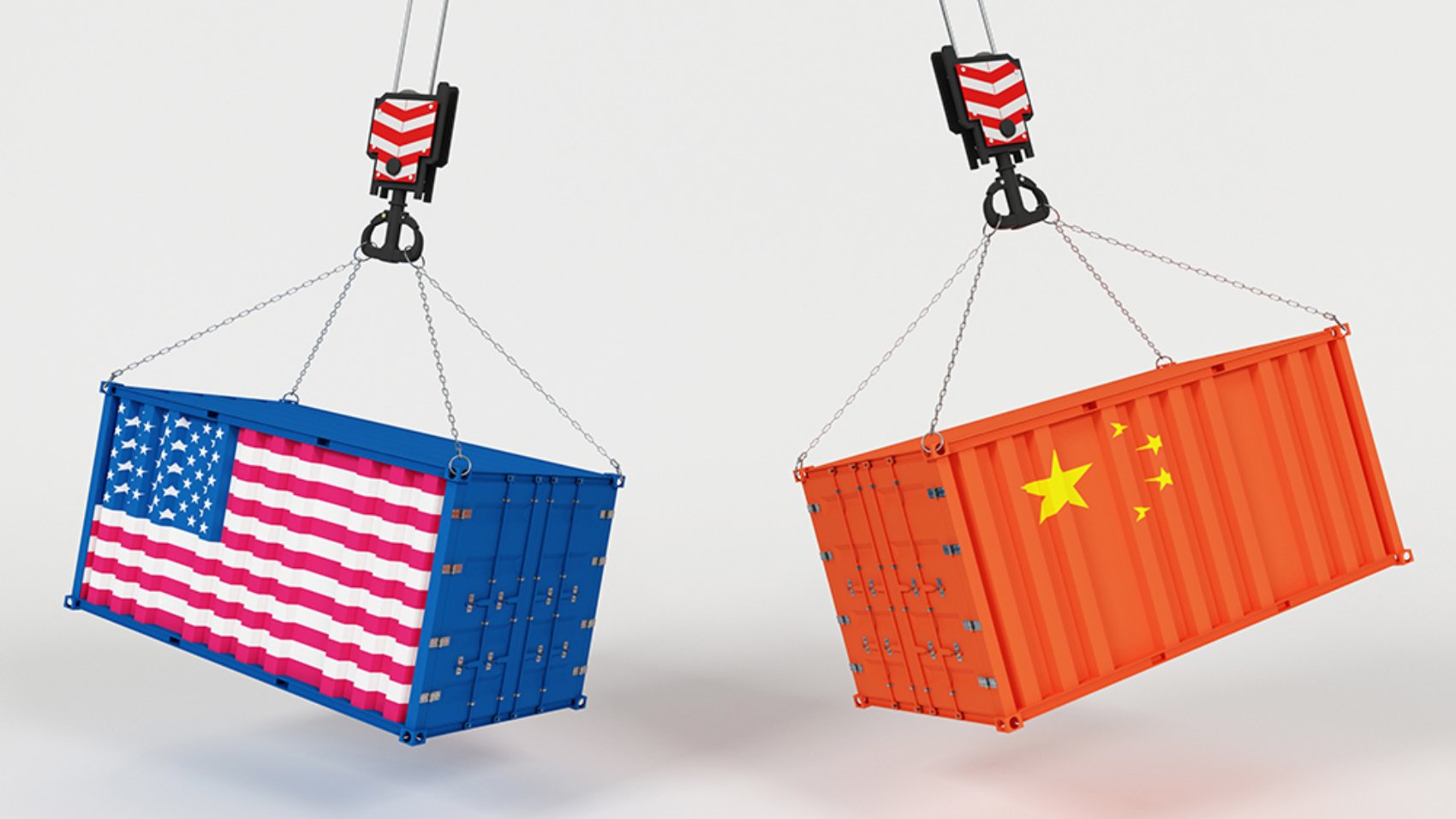
3D US Import Tarrifs

Impact of Biden Victory on U.S-Chinese Business

There is newfound optimism for U.S businesses in China due to the President-elect Joe Biden’s win last month. The Biden administration could be a positive to the overall stability of the environment, the stability of the overall relationship.

Tensions between China and the U.S especially regarding trade under the Trump administration had escalated severely, which took a tough approach to addressing longstanding complaints about unfair business practices in the Chinese state-dominated system. Both nations applied tariffs on billions of dollars’ worth of goods from each other. The White House subsequently put Chinese telecommunications giant Huawei and similar companies on a blacklist that prevents them from buying important parts from key U.S suppliers.

Under a Biden administration it seems more likely to not expect more direct tariffs but rather to anticipate new legislations relating to the newfound U.S leadership to working with other countries to put pressure on trade relations with China.

China’s economic recovery from the COVID-19 epidemic whilst the U.S is still struggling to control the outbreak is also helping businesses. With just over a month left of 2020, many businesses anticipate their 2020 revenue would exceed those of last year’s. A vast number of American companies with manufacturing operations in China intend to keep production in the country in the next three years with only a few firms planning to move manufacturing overseas.

The COVID-19 pandemic first emerged in the Chinese city of Wuhan late 2019. The disease accelerated its spread around the Chinese Lunar New Year, forcing the majority of the country to shut down temporarily. Whilst the outbreak was kept under control by the end of Q1 in China, the virus had turned into a worldwide pandemic hitting major economies in North America and Europe.

While there is increased optimism on the horizon for U.S business sentiment in China, some of these U.S companies have concerns on potential exit bans, detentions and other restrictions on their workforce.

In the past few years, the Chinese state-run government has released new policies for improving the foreign business environment but critics worry that implementation seems un-coordinated and have a forced technology transfer, severe lack of intellectual property protected and limited market access remain big issues.

Joe Biden and Xi Jinping 1
Biden and XI at White House in 2012
evangeline-shaw-RzCypjXlNs-unsplash

The Future of Sourcing

With the development of AI, IoT and alike, it’s easy to imagine that buyers around the world won’t need to seek out middlemen to source and make their products. Of course, we can imagine each manufacturer to be linked directly with the buyer or the final user and we are seeing this trend quite often with platforms such as AliExpress and AliBaba.

At DTL Sourcing, we have been in the industry for over 15 years and have seen the evolution and revolution of online sourcing. In the past, we received many enquiries for all sorts of products, both simple or sophisticated. Buyers did not trust companies online and wanted to be reassured by a middleman who had easy access to China or who had experiences with buying from Chinese companies. 

Following this, we started to have fewer enquiries for simple products because buyers could go on platforms such as Alibaba and check out reviews of each seller and as a result of this, could easily order smaller quantities than in the past so the overall risk had become more limited. 

industrial health measures during corona virus pandemic