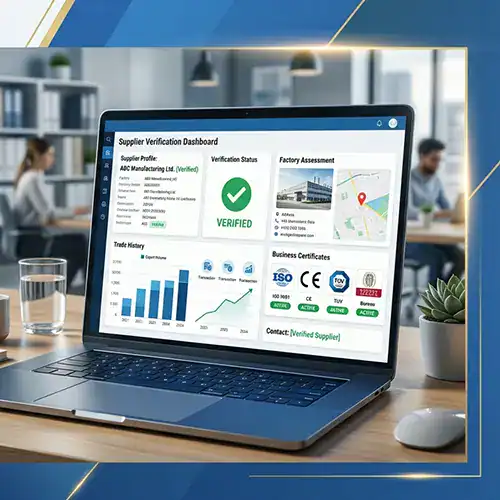
Alibaba supplier verification is essential before paying any supplier in China. Many buyers see a verified supplier badge and assume the company is safe, but a badge alone does not confirm product quality, factory capability, or reliability.
If you are asking what does verified mean on Alibaba, or want to understand the Alibaba verified supplier meaning, you need to check more than the platform label. A proper review includes the Alibaba supplier profile, China supplier certificates, business verification, transaction history, factory address, and key platform limitations.
Many importers also ask: does Alibaba verified supplier mean the factory is trustworthy? Not always. If you want to know how to find legitimate suppliers on Alibaba or how do I check an Alibaba supplier before paying, use a structured supplier due diligence process before sending a deposit.

Why Alibaba Supplier Verification Matters
Alibaba gives buyers access to many suppliers, but not every listing is suitable for your order. Some suppliers are real manufacturers, some are trading companies, and others may rely on subcontractors.
A strong Alibaba supplier verification process helps reduce risk before production begins. It can help you avoid poor quality, fake certificates, delayed shipments, unclear payment terms, and suppliers that cannot meet your specifications.
This is especially important for custom products, private-label goods, electronics, toys, furniture, and any product requiring compliance documentation. Before placing an order, you should know who you are dealing with, where production will happen, and whether the supplier can realistically deliver.
For local supplier follow-up in China, DTL Sourcing’s Supplier Management service can help with communication, sample coordination, production monitoring, and quality control.
Alibaba Verified Supplier Meaning: What It Really Means
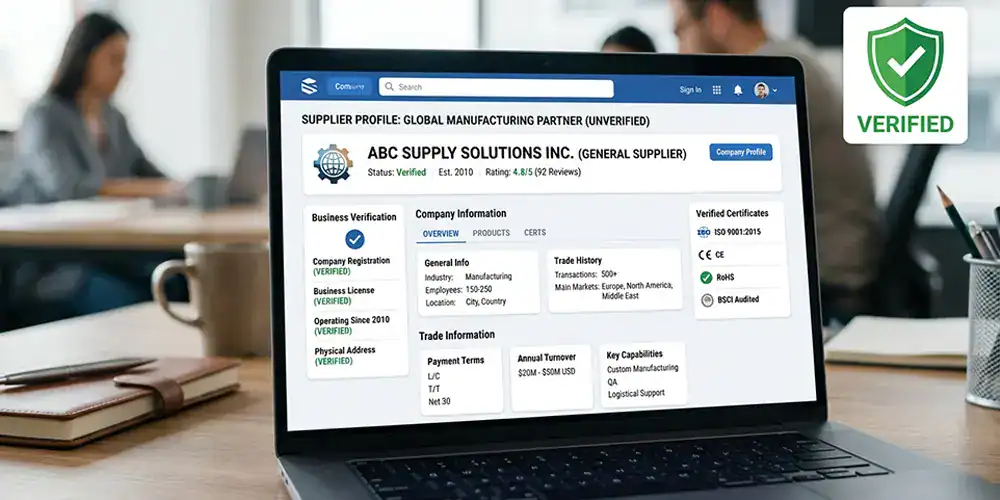
The Alibaba verified supplier meaning is often misunderstood. In many cases, a verified supplier means that certain company information has been checked, such as business registration, company name, or basic operating details.
However, this does not mean the supplier is automatically the best factory for your order. A company may pass basic business verification but still have poor communication, limited capacity, weak quality control, or certificates that do not apply to your exact product.
A verified supplier badge may confirm that the business exists, but it does not fully answer important questions:
- Is the company a real manufacturer or a trading company?
- Does it specialize in your product category?
- Are certificates valid and relevant?
- Is the factory address consistent?
- Will the supplier accept inspection before shipment?
The badge is useful, but it should never replace deeper supplier due diligence.
What Does Verified Mean on Alibaba?
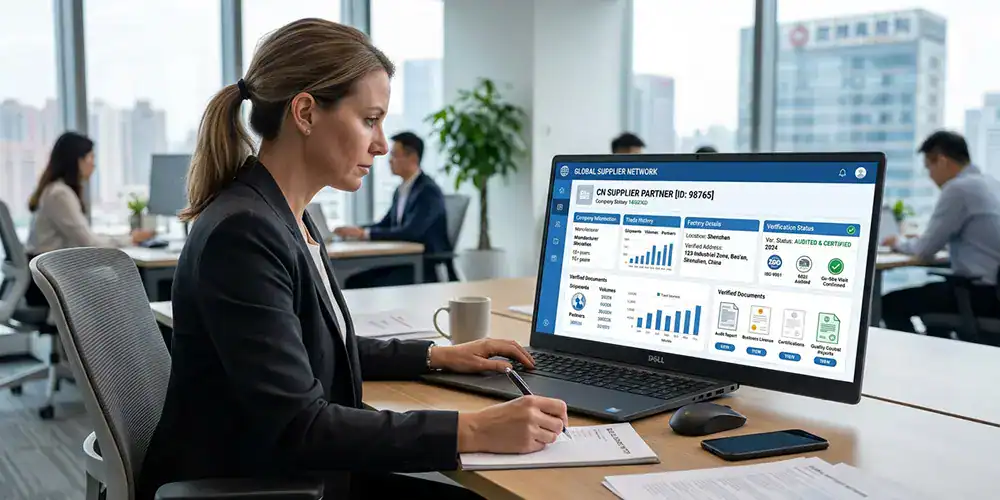
If you are wondering what does verified mean on Alibaba, think of it as a basic company information check — not a full factory approval.
For importers, verified does not always mean qualified. A supplier may be verified but still fail to meet your requirements for product quality, lead time, packaging, compliance, or after-sales support.
This is one of the main platform limitations buyers must understand. Alibaba can help you find suppliers and compare options, but it cannot fully confirm whether a supplier is right for your product, quantity, target price, and market requirements.
A smart buyer treats Alibaba as a starting point, then checks documents, samples, communication quality, and inspection readiness.
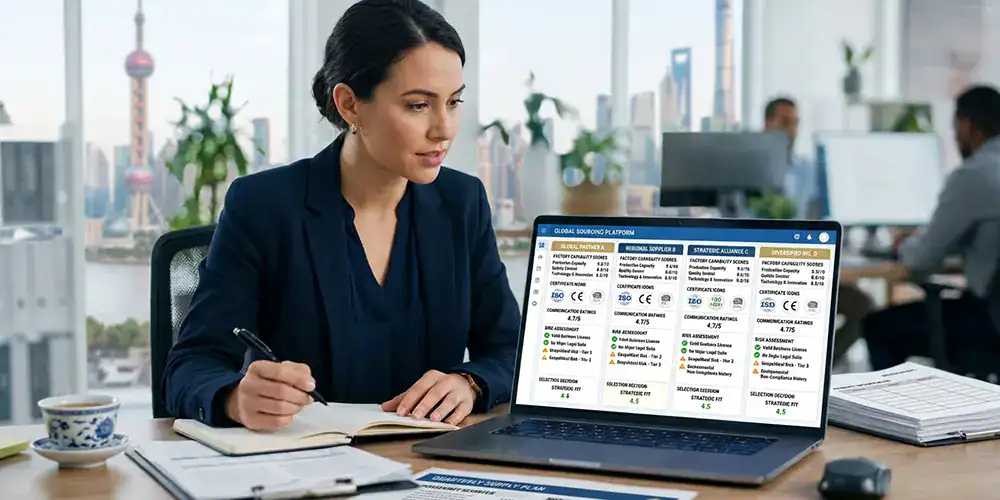
Does Alibaba Verified Supplier Mean the Factory Is Trustworthy?
A common question is: does Alibaba verified supplier mean the factory is trustworthy? No — not by itself.
Trustworthiness depends on evidence. You need to review the supplier’s company details, product focus, sample quality, communication, production transparency, and willingness to accept inspection.
Check whether the supplier is a manufacturer, trading company, or both. A trading company is not always a problem, but you should know who is actually producing your goods.
Also review product focus. A supplier selling hundreds of unrelated products may not be a specialist. Reliable suppliers usually answer technical questions clearly, confirm specifications carefully, and avoid vague promises.
If you are still choosing suppliers, DTL Sourcing’s Assisted Buying service can help search, compare, negotiate, and review factories before you place an order.
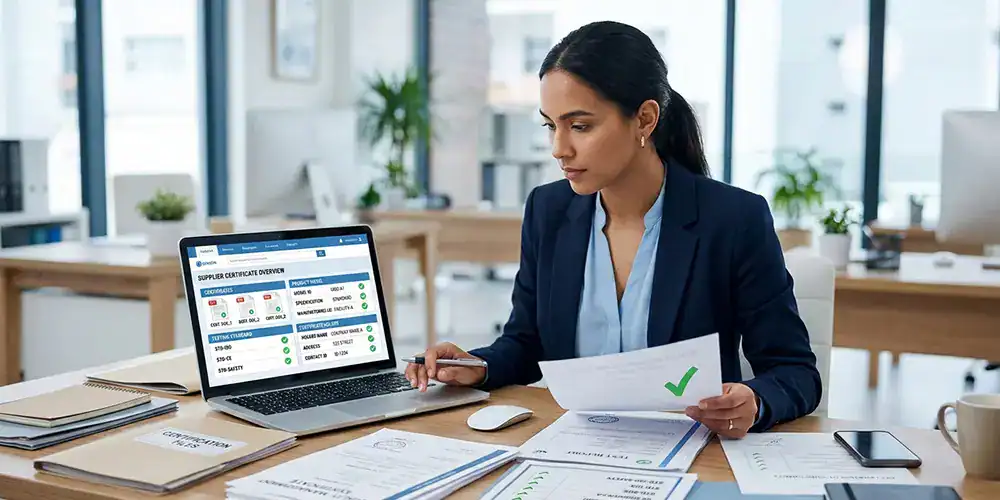
China Supplier Certificates: How to Review Them
Reviewing China supplier certificates is important, especially for regulated products. Certificates may include ISO, CE, RoHS, FCC, EN71, LFGB, or other test reports depending on the product and destination market.
During certification review, check:
- Certificate holder name
- Factory name and address
- Product model or scope
- Issue date and expiry date
- Testing standard
- Testing laboratory
- Report number
- Market relevance
Do not accept certificates blindly. Some documents may be expired, issued to another company, related to a different product model, or unsuitable for your market.
Compare the certificate’s factory address with the supplier’s claimed production site. If details do not match, ask for clarification before moving forward.
Certificates are useful only when they are valid, relevant, and connected to the exact product you are buying.
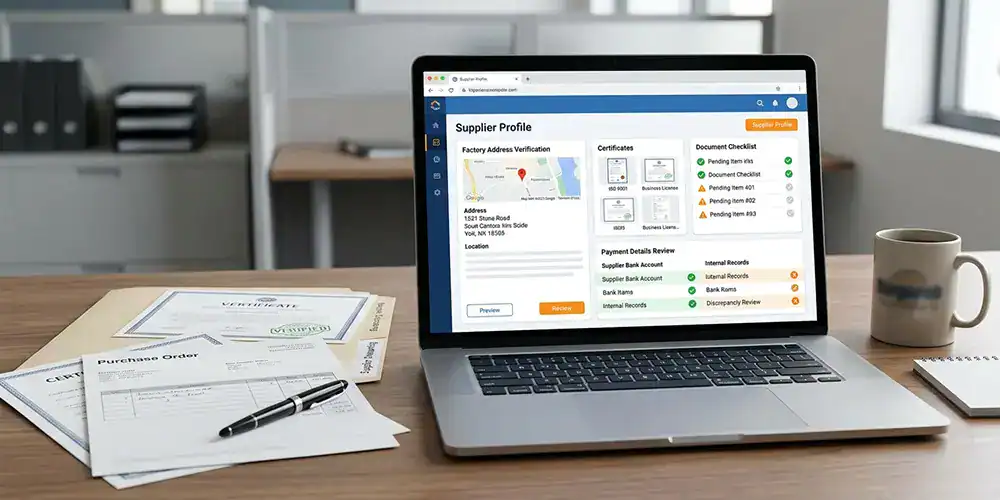
How Do I Check an Alibaba Supplier Before Paying?
If you are asking how do I check an Alibaba supplier before paying, follow a clear checklist before sending a deposit.
First, confirm company identity. Review the company name, business license, Alibaba profile, contact person, and payment account. The beneficiary name should match the supplier’s company name whenever possible.
Second, verify the factory address. Ask for the exact production location and compare it with certificates, business documents, and inspection records.
Third, review transaction history. Trade activity can show platform experience, but it should not be your only decision factor.
Fourth, request samples. A sample helps confirm materials, workmanship, dimensions, function, packaging, and supplier responsiveness.
Finally, include inspection terms in your purchase order. Even if the supplier looks reliable, you should check goods before final payment or shipment. DTL Sourcing’s guide on Quality Control When Sourcing from China explains how pre-shipment inspection reduces risk.
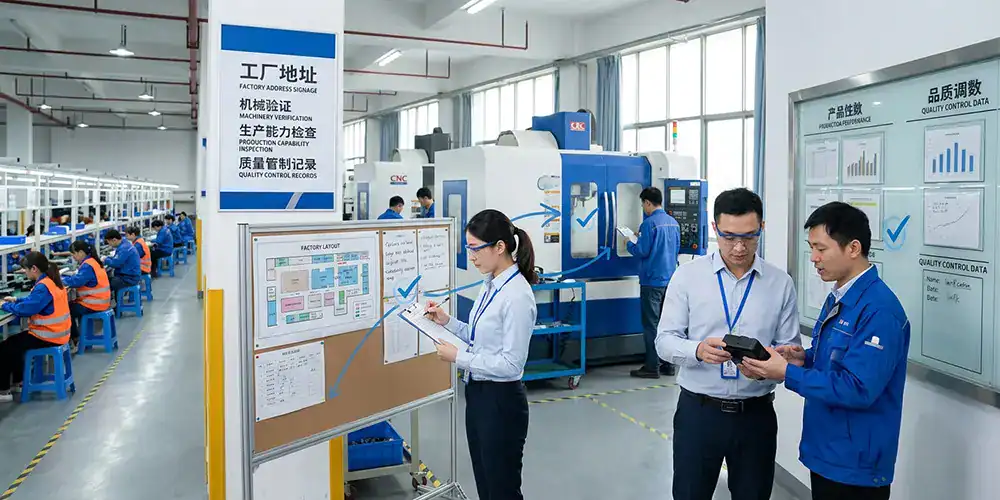
How to Find Legitimate Suppliers on Alibaba
To understand how to find legitimate suppliers on Alibaba, do not rely on one quotation or one profile. Compare multiple suppliers and check whether their answers are consistent.
Start with the Alibaba supplier profile. Review company name, location, years active, product categories, trade activity, response quality, and verified information.
Then ask technical questions about materials, MOQ, lead time, packaging, testing, and defect control. Serious suppliers can answer clearly.
Also request samples and supporting documents before approving bulk production. This supports Alibaba scam prevention, but it also helps avoid weak suppliers and production misunderstandings.
For repeat or higher-value orders, DTL Sourcing’s Supplier Management service can help monitor supplier performance, communication, samples, production progress, and quality control.
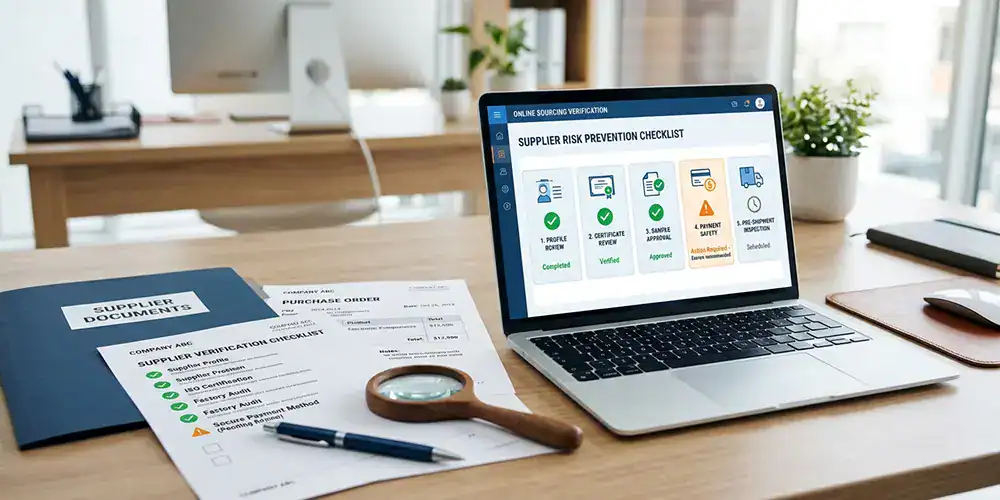
Final Thoughts on Alibaba Supplier Verification
Alibaba supplier verification should never stop at checking a badge. A verified supplier label can help, but buyers still need to review company identity, profile details, transaction history, certificates, factory address, communication, samples, and inspection terms.
Alibaba is a useful sourcing platform, but its platform limitations mean buyers must still make decisions based on evidence. The safest process combines supplier screening, document checks, sample approval, factory verification when needed, and quality control before shipment.
If you are unsure whether an Alibaba supplier is reliable before paying, DTL Sourcing can help review the supplier, compare alternatives, coordinate communication, and identify risk areas before they become costly problems.
If you are currently sourcing products — or planning to —
tell us what you’re working on.
We’ll review your sourcing structure and identify potential risk areas before they become costly problems.
Let’s make your sourcing secure and profitable.
Frequently Asked Questions
What is Alibaba supplier verification?
It is the process of checking a supplier’s profile, company details, certificates, factory address, transaction history, samples, and production capability before placing an order.
What does verified mean on Alibaba?
It usually means some company information has been checked, such as business registration or basic company details. It does not guarantee the supplier is the best factory for your order.
Does Alibaba Verified Supplier mean the factory is trustworthy?
No. A verified badge can be useful, but it does not guarantee quality, production capacity, certificate validity, or reliable delivery.
How do I check an Alibaba supplier before paying?
Review the supplier profile, business license, factory address, transaction history, certificates, samples, payment account, and communication quality before sending money.
Are China supplier certificates always reliable?
No. They should be checked for certificate holder, product model, factory address, testing standard, issue date, expiry date, and market relevance.