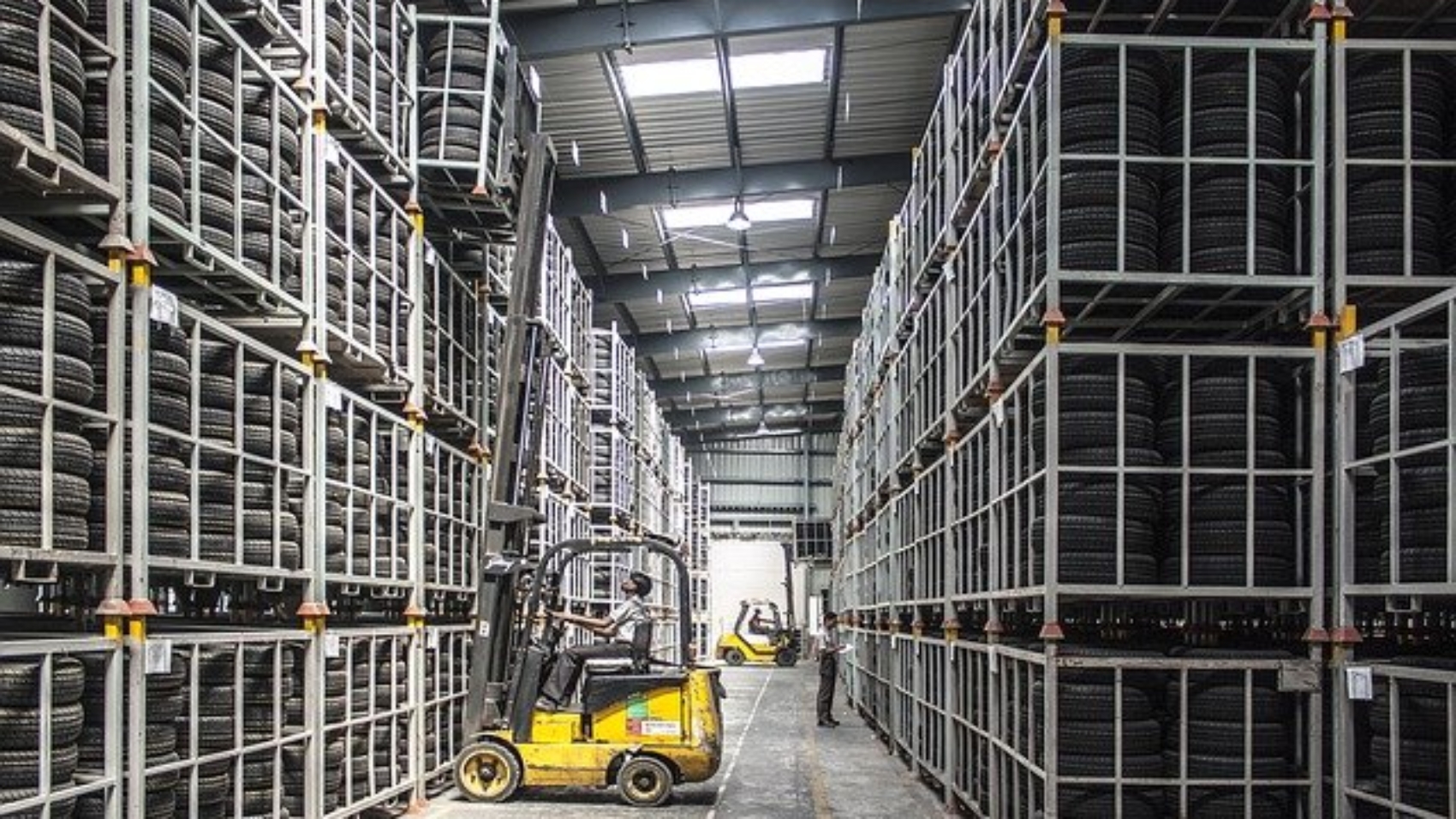
tyres storage

How are container storage and high freight rates affecting the goods price?

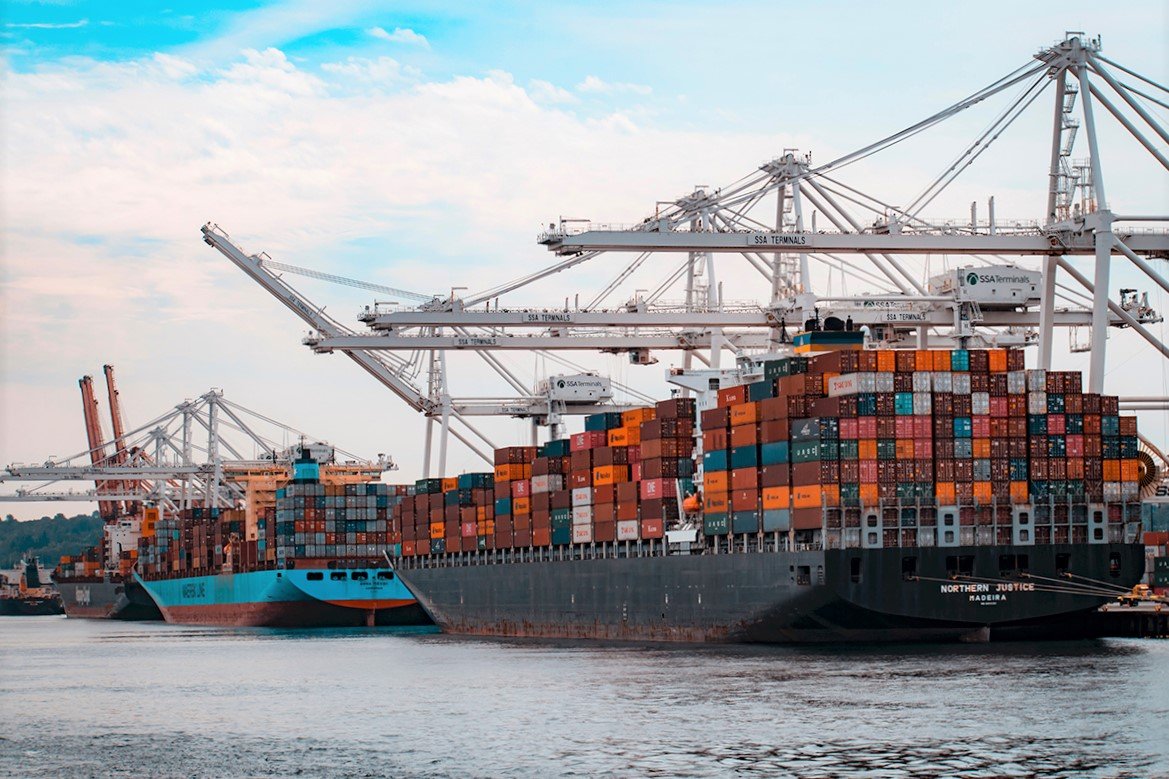
The world economy is currently recovering from the pandemic. We are witnessing inflation in prices of goods mainly due to high demand for commodities, protectionist measures, and increased freight rates. The speedy recovery of the world economy that follows the first wave of COVID-19 has made a faster rebound in overseas trade, which was entirely unexpected.

Due to this, a large-scale supply change disruption has been seen in storages which plagued many industries, especially the manufacturing and real estate development sector. Detailed analysis of effects of container storage and high freight rates on reasonable price is well articulated in buildersbook.com. The major contributing factor in this scenario is the longer supply lead time, which caused a surge in input prices.

The critical element regarding container storage and high freight rates that has caused a surge in prices of goods is the increase in demand of goods in post-pandemic time has disrupted the entire supply chain, critically affecting the container storage and high freight rates in inflationary prices of goods. Due to the high volume of goods demand, the container storage capacity of shipping companies is at an all-time high.

As per Mr. Hua Tan, a market analyst at a container shipping company, the current spike in the price of a good is mainly because of the high demand for container freight, which is driven by post-lockdown re-stocking, acute need for protective equipment, and stay home goods, and limited airfreight capacity.

Another highlighted reason for the inadequate container storage is limited alternates. Airfreight companies usually use the space at the belly of a passenger plane to transport goods. As the flights are limited due to COVID-19 restrictions, there is no air freight commercial feasibility available. Lack of alternates, mixed with high demand in consumer goods, has severely affected the goods price.
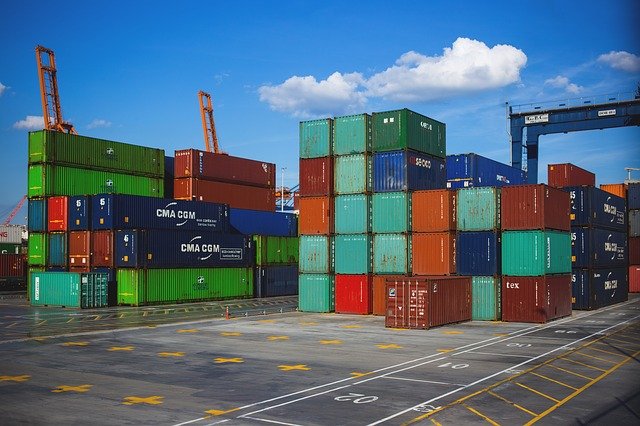
port 1845350 640

The world economy is currently recovering from the pandemic. We are witnessing inflation in prices of goods mainly due to high demand for commodities, protectionist measures, and increased freight rates. The speedy recovery of the world economy that follows the first wave of COVID-19 has made a faster rebound in overseas trade, which was entirely unexpected.

Due to this, a large-scale supply change disruption has been seen in storages which plagued many industries, especially the manufacturing and real estate development sector. Detailed analysis of effects of container storage and high freight rates on reasonable price is well articulated in buildersbook.com. The major contributing factor in this scenario is the longer supply lead time, which caused a surge in input prices.

The critical element regarding container storage and high freight rates that has caused a surge in prices of goods is the increase in demand of goods in post-pandemic time has disrupted the entire supply chain, critically affecting the container storage and high freight rates in inflationary prices of goods. Due to the high volume of goods demand, the container storage capacity of shipping companies is at an all-time high.

As per Mr. Hua Tan, a market analyst at a container shipping company, the current spike in the price of a good is mainly because of the high demand for container freight, which is driven by post-lockdown re-stocking, acute need for protective equipment, and stay home goods, and limited airfreight capacity.

Another highlighted reason for the inadequate container storage is limited alternates. Airfreight companies usually use the space at the belly of a passenger plane to transport goods. As the flights are limited due to COVID-19 restrictions, there is no air freight commercial feasibility available. Lack of alternates, mixed with high demand in consumer goods, has severely affected the goods price.

Fluctuating and unprecedented ocean freight rate is also a factor that affects a good’s price. The ocean freight rate is a shipping company’s fee for transporting the freight cargo from one place to another. Therefore, it is essential to understand the ocean freight rates to determine the final shipping cost.

The main reason for fluctuation in freight rates is demand and supply. However, the need for maritime services and the volume of cargo are subjected to various pressures. These pressures may be environmental, political, or economic. For example, global trade imbalance, sanctions, lousy weather, and conflict can affect the demand, affecting the cost.

Other factors that can affect goods prices through freight rates include:

Distance of the exporting and importing destination: It is a simple rule that the shorter the length, the lower will be the freight rate. Even popular destinations have lower freight rates. Less popular destinations with a lower capacity for handling freight are costly.

Cargo type: Freight rate also depends on the types of goods in the cargo. The kind of good that attracts higher fees increases the goods process. The main includes perishable, heavy, dangerous, or out of gauge goods.

Currency: The exchange rate has a significant impact on the cost of goods. As the Ocean fright rate is charged in US Dollars, so every country has a different pace.

Seasons: There are specific seasons in which certain goods are in high demand, for example, Chinese New Year, Eid festival, or Christmas. It is a common phenomenon that whenever demand rises, freight rates and associated costs also prices, and vice versa.

Bunker Fuel: Bunker fuel powers the engine of the ship. Its price highly fluctuates in the international market. Therefore, it is also an essential factor in determining the freight rate.

Environmental laws: After implementing IMO-2020 (new legislation by the International Maritime Org.), the ocean freight rate has been increased.

Vessel size: The vessel’s size and cargo carrying capacity are also crucial with the bunker fuel. Giant ship consumes more power, but they also carry more container.

Economists and maritime experts believe that the impact of the pandemic on the global economy will last till 2022. Once the demand and supply are synced, the cost of cargo, including container storage and freight rates, will reduce. Thus prices of the goods will also plunge.


canceled-contract-desk

Coronavirus Severs Supply Chains: A Sourcing Agent Could Help

A sourcing agent may help manufacturing companies get an insight into their factors in China now that travel is restricted due to Coronavirus. The agent acts as a representative of the company.

China is the ultimate manufacturing hub of the world. A combination of resources and cheap labor has seen many companies set up production plants in the country. In fact, most overseas firms ship either complete items or parts from China.

Unfortunately, when Coronavirus hit China and the rest of the world, travel restrictions were put in play to check the spread. This meant that company representatives from parent companies could not travel to China to check their supply chain status or source for raw materials.

This came with some challenges to the said firms. First, they could not ascertain the quality of the OEM parts as they used to before travel restrictions were put in place. Second, they experienced difficulties coordinating supply dates and other information required to get items ready on time. Shipping was also delayed due to extra protocols, either leading to delays or forcing companies to cancel some orders.

travres

A Sourcing Agent Could Help

A sourcing agent assists a company in locating sources of products at the quality and budget required by the importing entity.

Where the company has subcontracted another firm to produce and export goods on its behalf, the sourcing agent may help ascertain the product quality, delivery times to issues like packing and branding. The agent will give companies an accurate picture of what is happening in those factories in China to enable them to adjust delivery times and terms.

The agent-based in China has access to the factories and can act as the representative of the firm until and after travel has been allowed. It helps prevents disruption of the supply chain while ensuring that the parent firm gets good in the right quality, quantity, and on time.

industrial health measures during corona virus pandemic
containers

Will Container Carrier Lines Return to Normal Post-Pandemic?

The current breakthrough for COVID-19 vaccines of Pfizer-BioNTech and alike are certainly diverting the world’s attention to logistics of how will it all be moved especially with current news of facing challenges and difficulties of movement.

The world’s wider media and general population may be in for a shock when they cast their eyes to the sectors entrusted to grease the world’s economy by moving goods and parts to far flung locations.

The current state of the container market is one of dysfunction, bordering on complete chaos. Supply chains have been stretched to near breaking points by the unprecedented vitality in demand swings, the final tells being numerous port congestion notices popping up in almost every single continent, from Sydney to Bilbao and many places in between.

Some notable container ports which have recently been subjected to congestion surcharges include: Fuzhou (China), Auckland (New Zealand), Sydney (Australia), Sudan & Conakry (Africa), Aden (Middle East), Bilbao (Spain), United Kingdom & Los Angeles / Long Beach (USA).

andy li CpsTAUPoScw unsplash

The industry has to certainly be commended for coping as well as it has with the unexpected demand surge, however the trade off has been longer lead-times and massively inflated freight rates as the world scrambles for the few available containers, which have become a precious commodity.

It’s no wonder that the ocean-side supply chain has fallen into a point of no repair as it has simply not been designed to cope with the ‘Black Swan’ events, such as the current pandemic that we are living in. A glut of capacity (either ships or containers), will have no choice but to be faced with lower prices. Ocean carriers, therefore are more on the watch than ever to synchronise supply and demand as best as they can, however not daring to risk a strategy to cater for highly unlikely scenarios.

Often, they get it right but also most of the time not, however generally the imbalances are within reasonable degrees from the equilibrium line. Investing in expensive assets such as ships will always be a gamble because shipowners do not have advance knowledge of the conditions in which those assets will operate. It is believed that over the 20+ years lifecycle there will be more good years than bad, but every new influx has the potential to destabilise the market, one way or another. It is also cumulative so that a run of misjudgements compounds the over/ under supply situation.

The current issue at hand has less to do with there being insufficient numbers of ships or containers but rather an inability to get them where they are needed in a timely fashion. Carriers have been throwing capacity back into the market, but landslides bottlenecks and long queues outside of ports all point to an infrastructure that cannot cope with sudden big peaks in activity.

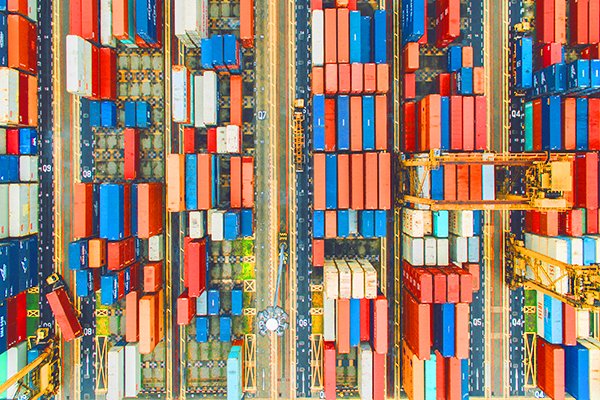
containers from above

The situation does not look like it will ease anytime in the near future or even when the demand curve flattens or even when container manufacturers have added sufficient new stocks.

Amidst the numerous bottlenecks, carriers are doing quite well. The only impediment to further freight rate inflation at current appears to be fear of regulatory retribution. Conditions are ripe for further gains, but twice recently carriers have cancelled planned GRIS (general rate increases) in the high-flying Transpacific market.

Governments certainly may have the power to suppress pricing models and dictate decisions, but they are unable to force carriers to invest. Even if there is currently an unofficial ceiling for freight rates, lines will still be very profitable at the current levels and would like them to remain so for as long as possible.

In the long run, what incentives are there for lines to spend their money to make the supply chain more resilient to future demands shocks?

In an imaginary scenario, one could consider the following two options from a carrier’s perspective:

a. Invest heavily into new ships and equipment. This could potentially improve operational efficiency but carries a high likelihood that the market would ‘reward’ you with lower freight rates.

b. Freeze all investments. This would most likely further disrupt supply chains and create animosity with customers, potentially save money and increase the probability of sustained highly profitable freight rates.

We at DTL Sourcing are hoping that shipping and logistic prices will resume and go back to normal after Chinese New Year 2021!

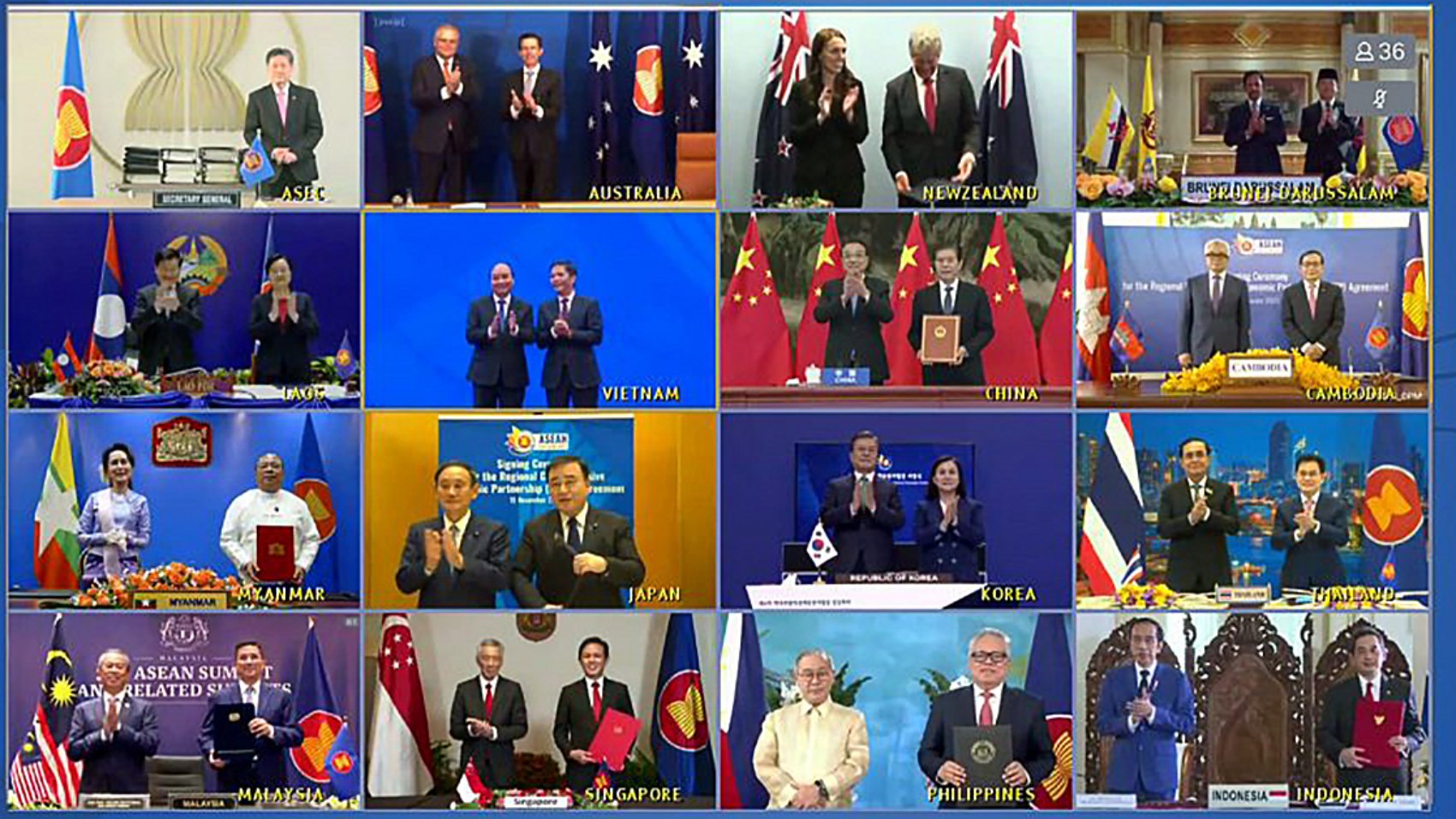
Signing Ceremony of the RCEP

The Formation of RCEP: APAC Creation of World’s Largest Trading Bloc

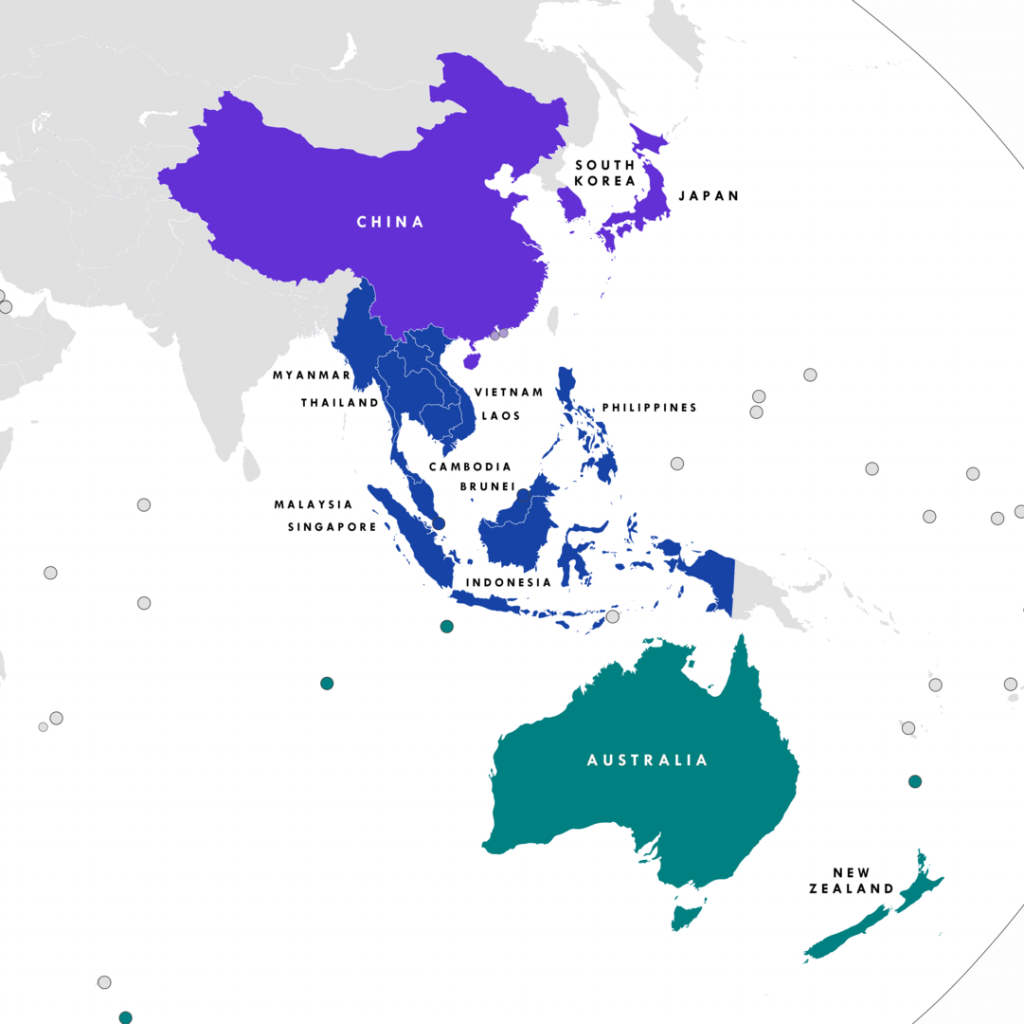
The Regional Comprehensive Economic Partnership (RCEP) is comprised of 10 Southeast Asian countries as well as China, Japan, South Korea, Australia and New Zealand. This new founded pact is seen as an extension of China’s influence in the overall region.

The deal currently excludes the US, which withdrew from a rival APAC trade pact back in 2017. Also, President Trump pulled the American nation out of the Trans-Pacific Partnership (TTP) shortly after taking office.

Negotiations over the new RCEP deal started in 2012 and was fully completed and signed this November 2020 on the sidelines of a meeting of the Association of Southeast Asian Nations (ASEAN).

Map of RCEP members

The Regional Comprehensive Economic Partnership (RCEP) is comprised of 10 Southeast Asian countries as well as China, Japan, South Korea, Australia and New Zealand. This new founded pact is seen as an extension of China’s influence in the overall region.

The deal currently excludes the US, which withdrew from a rival APAC trade pact back in 2017. Also, President Trump pulled the American nation out of the Trans-Pacific Partnership (TTP) shortly after taking office.

Negotiations over the new RCEP deal started in 2012 and was fully completed and signed this November 2020 on the sidelines of a meeting of the Association of Southeast Asian Nations (ASEAN).

The RCEP isn’t as thorough and extensive, and doesn’t cut tariffs as cohesively as the TPP’s successor, however many analysts believe that the RCEP’s mere size makes it even more significant.

While Mainland China already has numerous bilateral trade agreements, this is the first time it has signed up to a regional multilateral trade pact.

There are a few reasons that member-ing countries want this deal. For starters, world leaders hope that the pact would help spur recovery from the COVID-19 pandemic. The negotiations had been going on for 8 years and for many, shines a ray of light and hope for participating nations. The agreement is seen by many as a victory of multilateralism, and free trade.

Initially, India had also been a part of the negotiations, however pulled out last year over big concerns that lower tariffs could potentially harm local producers. Signatories of the deal claimed that the door remains open for India to join the pact at a future date.

Members of the RCEP man up for nearly one third of the world’s population and account for almost 29% of global gross domestic product.

The newfound RCEP will be larger than both the US-Mexico-Canada agreement and the European Union.

So what will the RCEP do? It’s expected to eliminate tariff on imports within the next 20 years. It also includes provisions on intellectual property, telecommunications, financial & professional services and e-commerce.

The new ‘rules of origin’ which officially define where a product is produced may have the biggest impact. There are already many member states with free trade agreements (FTA) with one another, but there are limitations. The existing FTA can be quite complicated to use compared to RCEP, businesses with global supply chains may face tariffs even within an FTA because their products contain components that are made elsewhere.

For example, a product made in China that contains Australian parts, may face tariffs elsewhere in the ASEAN free trade zone. However, under RCEP, parts from any member nation would be treated equally which may give companies in RCEP participating countries an incentive to look within the trade region for suppliers, therefore boosting the economy.

The RCEP deal could increase global national income by hundreds of billions annually by 2030, and add towards the economy of its member states. Some analysts believe that the deal is likely to benefit China, Japan and South Korea more than other member states as there may be some interesting trade and tariff dynamics to be seen for these countries.

This deal can have a large scale impact towards sourcing and trading: if there are no taxes between the participating nations, it could equal to more business, more businesses looking to produce in China, meaning a substantial growth for our company and yours. DTL Sourcing can be your intermediary, with many years of experience and a large network in China, get in touch today to discuss your business needs.

More information on RCEP official website www.rcepsec.org