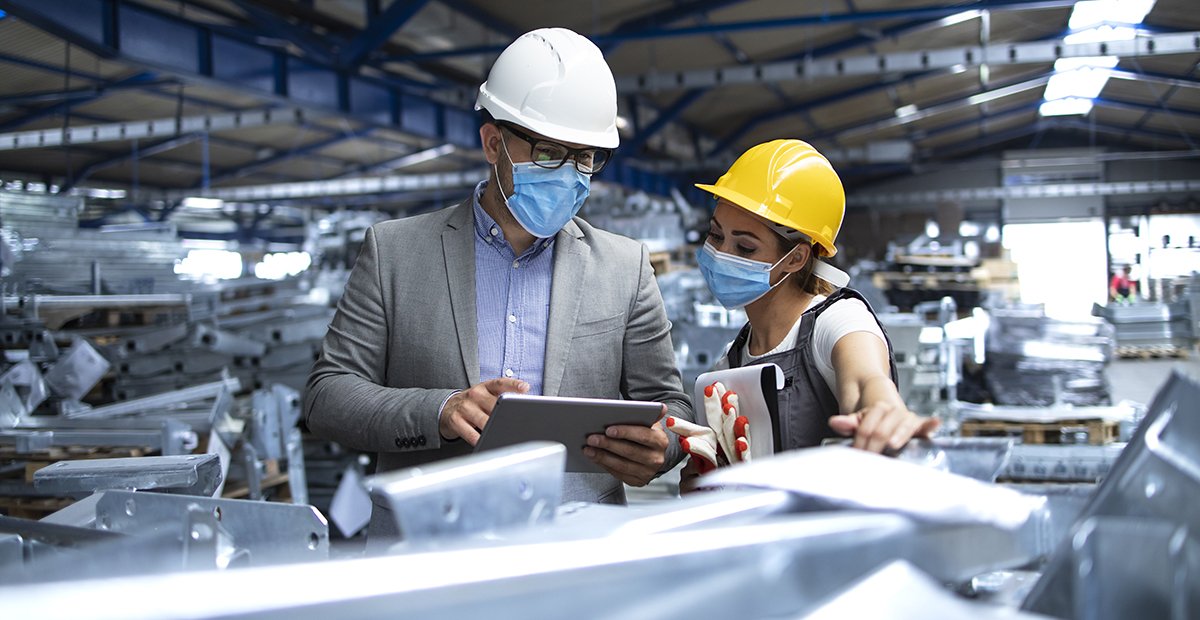
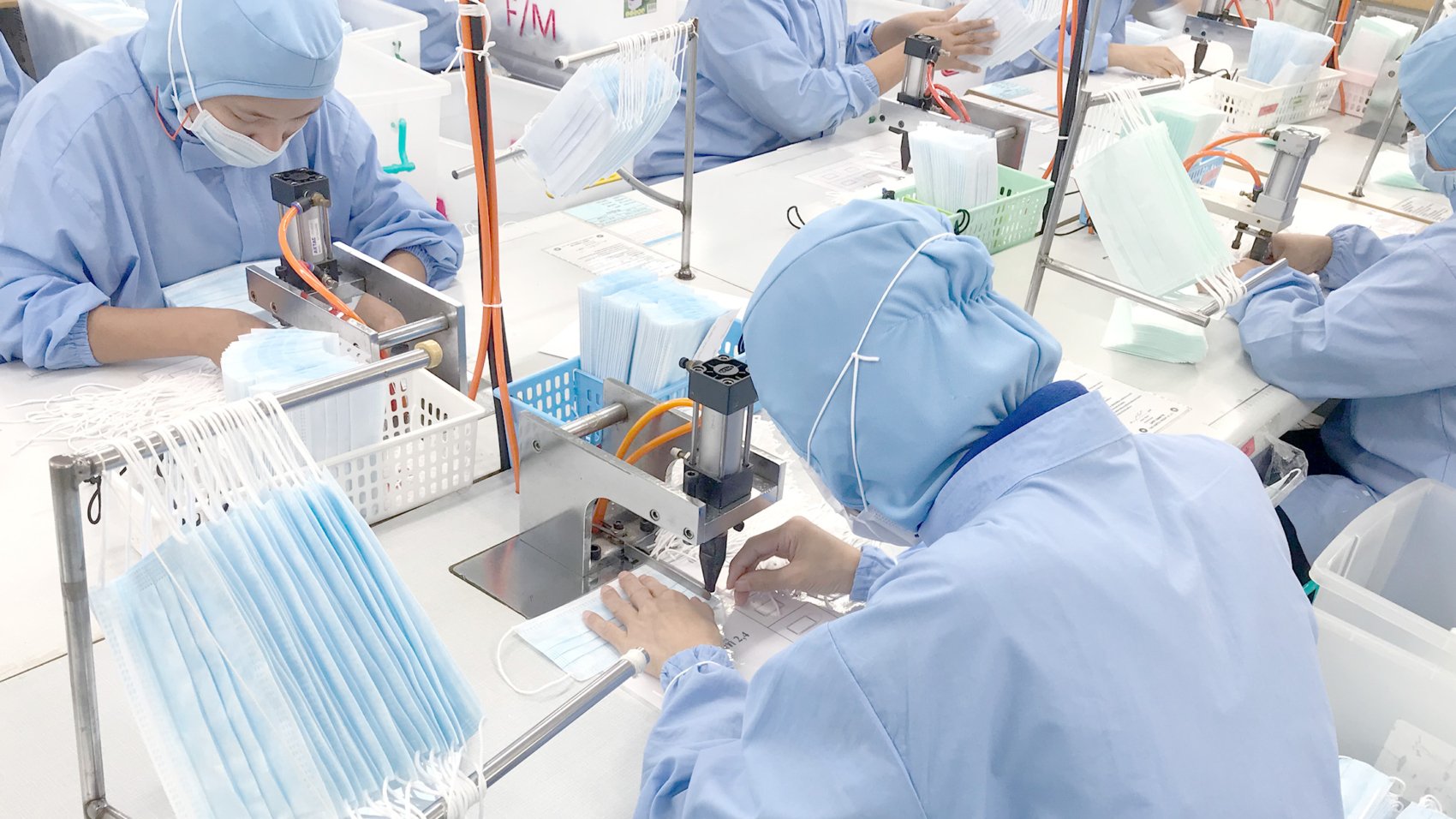
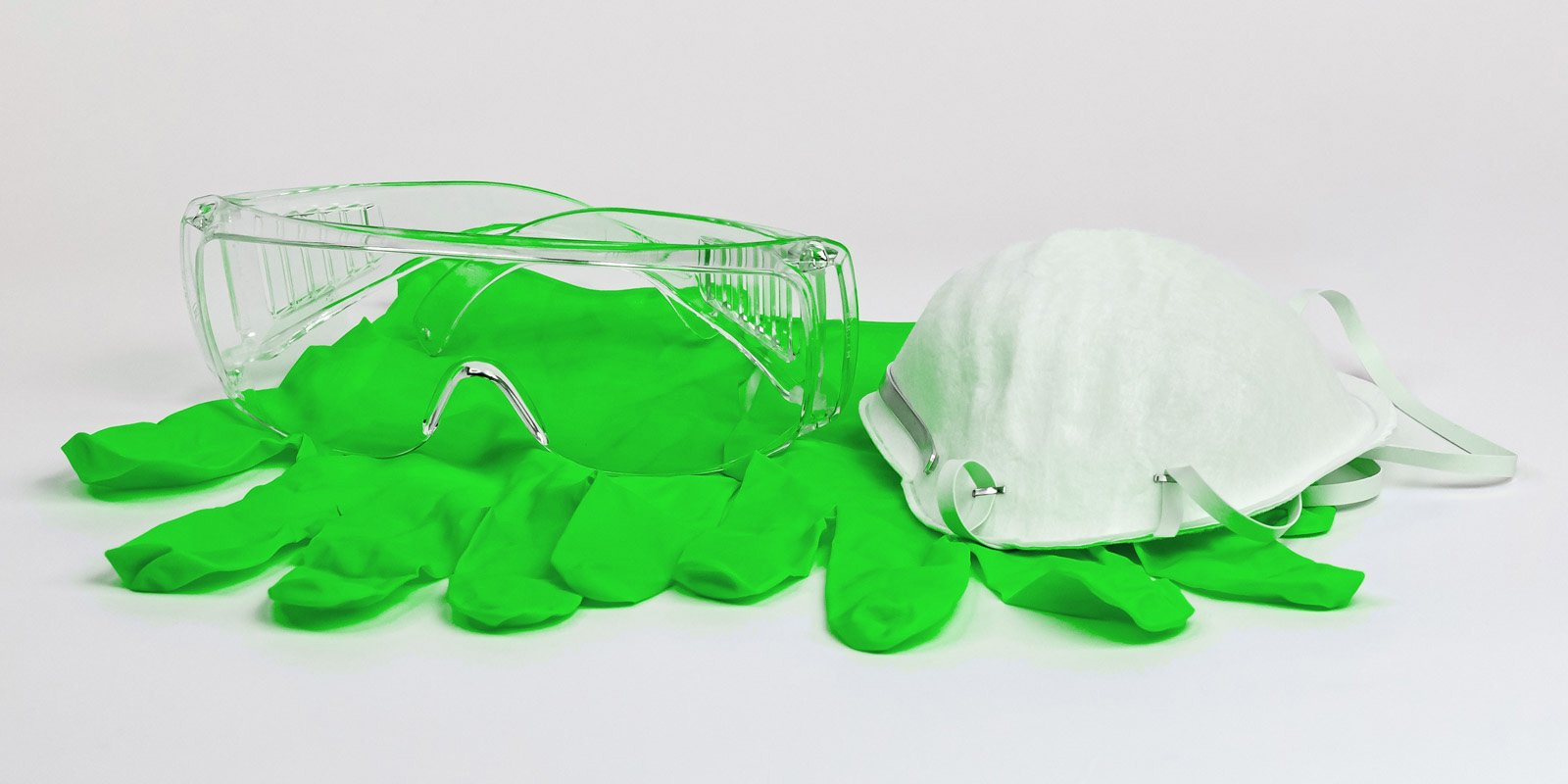
During the COVID-19 pandemic, the world has become completely dependent on personal protective equipment, or ‘PPE’. Most of these essential gear, from gowns, masks to goggles, are produced in China. Experts from Western countries say that this foreign dependence may become problematic.
Alarmed at China’s stranglehold over PPE supplies, countries around the world have started to set up their own factories to cope with the ongoing pandemic and possible outbreaks of the future.
When the outbreak eventually subsides, factories in the West may struggle to survive. China has already laid the groundwork to dominate the PPE market for years to come.
As a courtesy from the Chinese government, factory owners get cheap land and subsidies & loans are plentiful. Chinese hospitals are often told to purchase locally, giving China’s mass suppliers a captive and vast market.
Once a vaccine becomes available, demand will likely drop. Factories will cease operations however Chinese companies are likely to have the lowest costs by far and be best positioned for the next global outbreak.
The Chinese have been very successful in constructing a global PPE dominance with supply-chain command and control. China’s strong grip on the world market is a testament to its drive to dominate important cogs in the global industrial machine.
Looking back into recent times, China’s leaders had worried that the country had depended too much on foreign sources for industries such as aviation, microchips and medical supplies. As a result of this, they have utilized subsidies, economic targets and the likes to emerge as a global powerhouse in these important industries.
When Chinese leaders grew concerned about pollution and dependence on foreign oil, they assisted local Chinese makers of wind turbines, solar panels, high-speed rail equipment to smash their overseas competition. They have taken similar steps to dominate industries of the future such as the next generation of wireless data, better known as 5G.
The state’s heavy involvement in its economy has led to mass graft and waste which could potentially slow China’s growth. But the policies have mostly proved effective in building industries that can withstand losses and tough foreign competitions. Medical supplies could be similar. There could be a massive consolidation when the epidemic passes, it could be the same dynamics as in green energy, 5G and high-speed rail.
Before the pandemic, China had already exported more medical masks, respirators and protective garments than the rest of the world combined. The capital Beijing’s COVID-19 response has only added to that dominance. It increased mask production nearly 12-fold in February alone this year. It can now make 150 tons per day of the specialised fabric used for masks, that is fives times what China could make before the outbreak, and 15 times the output of U.S companies even after they ramped up production this spring.
American companies have been somewhat reluctant to make big investments in fabric manufacturing because they have concerns that the mask demand would only be temporary. It’s a mistake to simply assume that the market will disappear when we can’t foresee if the epidemic will disappear or simply become the new-norm that we have to get used to.
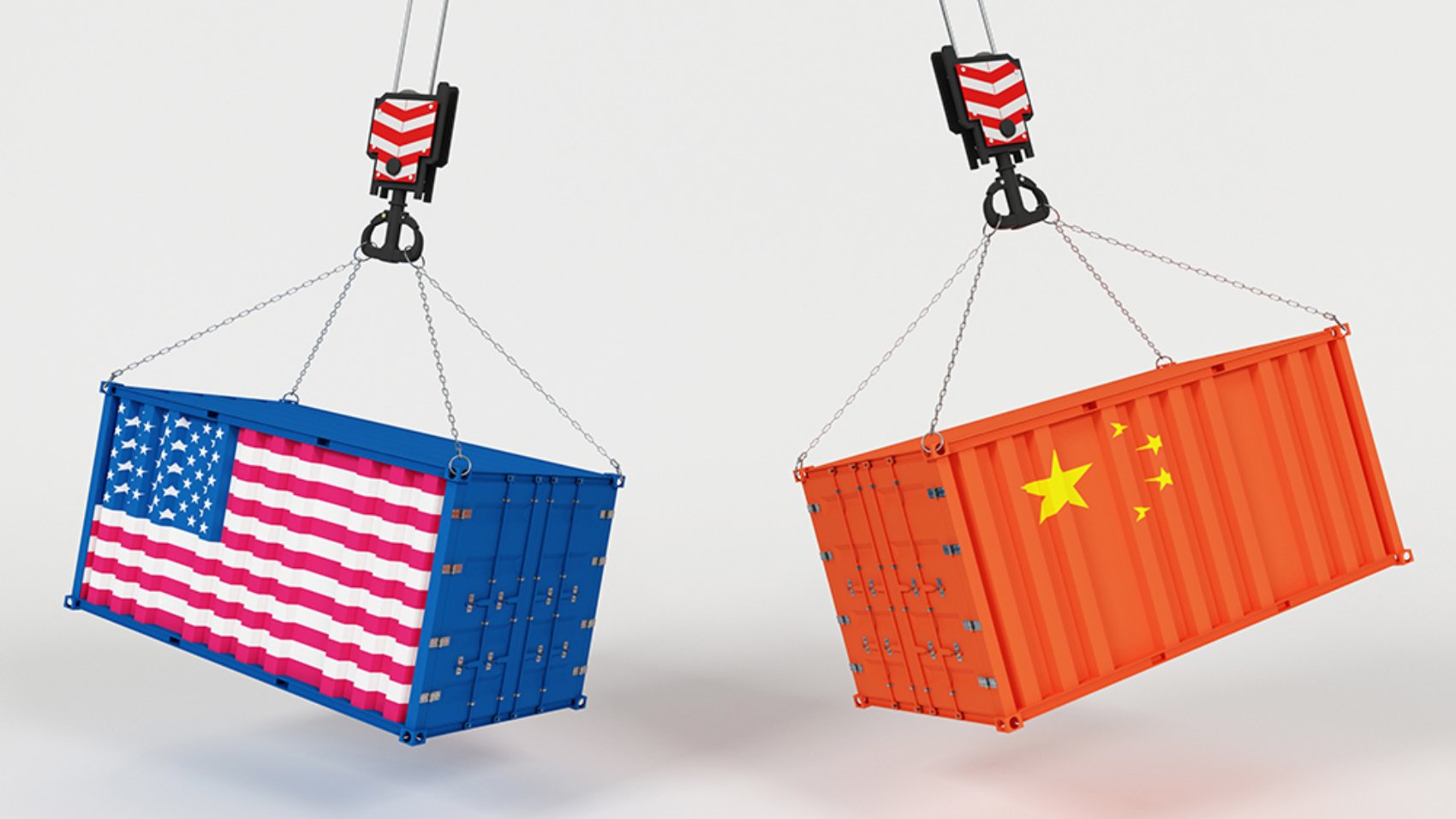
From March through May of 2020, China exported 70.6 billion masks. The entire world produced about 20 billion all of 2019, with China accounting for half. Other countries now want self-reliance: earlier in the pandemic, China often decided which countries received crucial supplies and demanded public thanks in exchange.
France pledged in March to produce homegrown masks and respirators by the end of 2020 and the U.S had begun a push for the federal government to buy American-made pharmaceuticals and medical supples. As always, China had a head start.