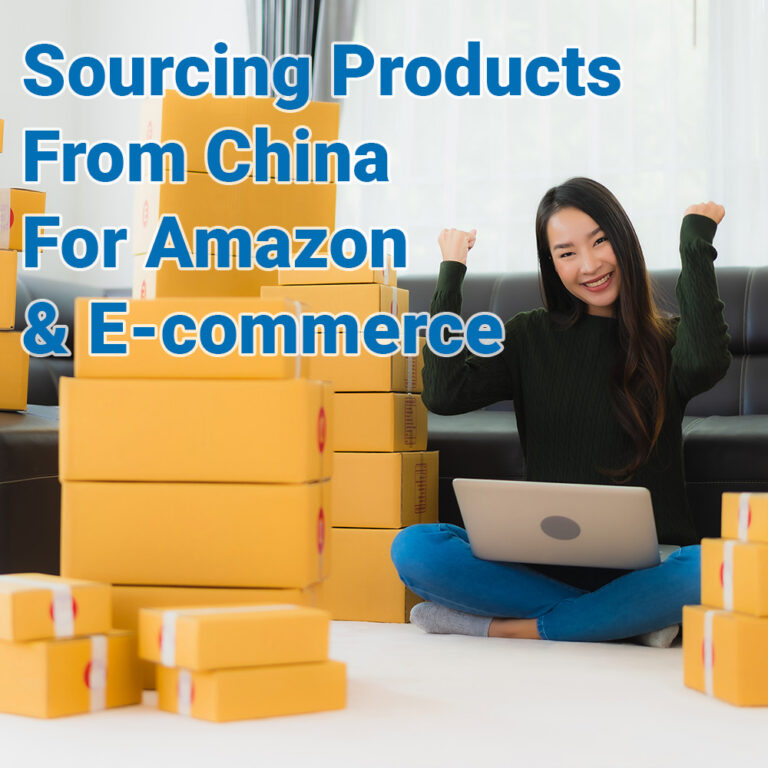
Sourcing products from China for Amazon and e-commerce brands requires more than finding a cheap supplier. It requires supplier verification, compliance checks, structured negotiation, and logistics control.
Amazon sellers, Shopify brands, and private label businesses rely on China for manufacturing scale. However, profit depends on process discipline.
This guide explains how to manage product sourcing from China for e-commerce in a practical and risk-aware way.
Why China Remains the Core Manufacturing Hub?
China continues to dominate global manufacturing due to its supply chain depth and infrastructure.
Key advantages include:
- Large-scale production capacity
- Mature supplier ecosystems
- Competitive raw material pricing
- Integrated logistics networks
- Experience with Amazon FBA requirements
For e-commerce sellers, speed and consistency matter more than just cost.
Understanding Amazon-Focused Product Sourcing
Amazon product sourcing in China differs from traditional wholesale importing.
Amazon sellers require:
- Strict packaging standards
- Barcode labeling (FNSKU, UPC)
- Carton dimension compliance
- Defect rate control
- Fast replenishment cycles
A supplier that works well for bulk retail may not understand Amazon’s operational rules.
Private Label Sourcing from China
Private label remains the most common model for Amazon businesses.
Instead of selling generic products, you brand and customize them.
Private Label Sourcing Includes:
- Custom logo printing
- Packaging customization
- Minor product modifications
- Brand-exclusive molds
- Instruction manual localization
The goal is differentiation without developing a product from scratch.
Before confirming production, request:
- Pre-production samples
- Packaging mockups
- Barcode placement verification
- Labeling confirmation
Do not skip sampling.
MOQ Negotiation Strategy
Minimum Order Quantity (MOQ) often creates friction for new e-commerce sellers. Chinese manufacturers quote MOQs based on production efficiency, not seller budgets.
Practical MOQ Negotiation Approaches:
- Start with trial orders
- Offer flexible color variations
- Accept standard packaging initially
- Negotiate phased volume increases
- Combine SKUs where possible
Many suppliers reduce MOQ when they see long-term potential. Clear communication reduces resistance.
Packaging & Labeling for Amazon and Shopify
Improper packaging can result in Amazon warehouse rejection. E-commerce-focused packaging must consider:
- FNSKU barcode placement
- Suffocation warnings (if applicable)
- Polybag thickness requirements
- Fragile labeling
- Country of origin marking
For Shopify and DTC brands, packaging also affects brand perception.
Consider:
- Branded inserts
- QR codes
- Thank-you cards
- Custom mailers
Packaging influences reviews and repeat purchases.
Compliance Requirements (FDA, CE, RoHS & More)
Product compliance is not optional. Regulatory failures can lead to listing suspension or customs seizure.
Common Certifications Required:
| Product Type | Possible Compliance Required |
| Electronics | CE, RoHS, FCC |
| Food Contact | FDA |
| Children’s Products | CPC |
| Toys | EN71 |
| Batteries | MSDS, UN38.3 |
Never rely on supplier verbal claims.
Always request:
- Test reports
- Certification documents
- Lab verification
- Validity dates
Verify authenticity when possible.
E-commerce-Focused Quality Control
Quality control for e-commerce differs from wholesale container shipments. Amazon sellers must maintain low defect rates to protect listing rankings.
Recommended QC Process:
- Pre-production inspection
- During production inspection
- Pre-shipment inspection
- Random sampling with AQL standards
For FBA, carton drop testing is critical.
For DTC brands, packaging durability matters even more. A small defect rate can result in negative reviews that impact ranking and ad spend.
FBA Shipping from China
Shipping directly from China to Amazon FBA warehouses saves time but requires precision. Two main models exist:
1. Direct FBA Shipping
The factory ships goods directly to the Amazon warehouse. Best for experienced sellers with strong QC controls.
2. Third-Party Inspection & Prep Center
Goods ship to a prep center for inspection and relabeling. Safer for new sellers.
Shipping Methods Comparison
| Method | Speed | Cost | Best For |
| Air Freight | Fast | High | Small inventory launches |
| Express Courier | Very Fast | Very High | Samples or urgent restock |
| Sea Freight | Slow | Low | Large volume orders |
| Rail Freight | Medium | Moderate | Europe shipments |
Shipping decisions affect inventory turnover and cash flow.
Product Sourcing from China for Shopify & DTC Brands
Shopify brands operate differently from Amazon sellers.
They control:
- Customer experience
- Fulfillment speed
- Packaging presentation
- Returns policy
Private label manufacturing becomes more important for brand identity.
Long-term ecommerce growth requires:
- Stable supplier relationships
- Predictable lead times
- Clear production timelines
- Backup supplier options
Supplier dependency is a risk factor. Diversification improves resilience.
Risk Mitigation in China Product Sourcing
Common risks include:
- Payment fraud
- Delayed production
- Substandard quality
- Intellectual property misuse
- Hidden compliance issues
Mitigation strategies:
- Use clear purchase agreements
- Define penalty clauses
- Avoid full upfront payments
- Conduct background checks
- Register trademarks before production
Risk control protects margins.
Step-by-Step Process for E-commerce Product Sourcing
A structured approach reduces failure probability.
Phase 1: Supplier Identification
- Shortlist 5–8 suppliers
- Compare pricing and MOQ
- Assess communication speed
Phase 2: Sampling & Verification
- Order samples
- Test product durability
- Validate compliance documents
Phase 3: Negotiation & Contracting
- Confirm Incoterms
- Define production timeline
- Clarify packaging specifications
Phase 4: Production Monitoring
- Conduct inspections
- Approve packaging
- Confirm shipping plan
Phase 5: Logistics & FBA Coordination
- Label cartons
- Schedule freight
- Track shipment
Consistency builds supply chain reliability.
Cost Breakdown Example
Below is a simplified structure of sourcing costs:
| Cost Component | Description |
| Unit Cost | Product manufacturing |
| Tooling Fee | Custom molds (if applicable) |
| Packaging | Boxes, inserts, branding |
| Inspection | Quality control services |
| Freight | Shipping cost |
| Duties | Import taxes |
| Amazon Fees | FBA & referral fees |
Profit margin depends on controlling each variable.
Why Structured Sourcing Matters for Amazon Rankings?
Amazon’s algorithm favors sellers with:
- Low defect rates
- Consistent inventory
- Positive reviews
- Fast shipping
Poor sourcing directly affects these signals.
Strong supplier management improves operational stability.
FAQs
1. How do I start sourcing products from China for Amazon?
Begin with product validation, then shortlist suppliers, request samples, verify compliance, and negotiate MOQ before placing a bulk order.
2. What is the minimum order quantity for private label products?
MOQ varies by product type, but many manufacturers allow smaller trial runs when long-term cooperation is discussed.
3. Can I ship directly from China to Amazon FBA?
Yes, but labeling, carton requirements, and compliance documentation must meet Amazon standards.
4. How do I ensure product compliance when sourcing from China?
Request official test reports, verify certification authenticity, and confirm regulatory requirements for your destination market.
5. Is sourcing from China for Shopify different from Amazon?
Yes. Shopify brands focus more on packaging presentation and brand differentiation, while Amazon sellers prioritize compliance and ranking stability.
Final Thoughts
Sourcing products from China for e-commerce is not simply a cost decision. It is a supply chain management exercise.
Amazon product sourcing in China requires structure, verification, and process control. Sellers who treat sourcing strategically achieve better margins and stable growth.