Sourcing Products From China For Amazon & E-commerce

Sourcing products from China for Amazon and e-commerce brands requires more than finding a cheap supplier. It requires supplier verification, compliance checks, structured negotiation, and logistics control.

Amazon sellers, Shopify brands, and private label businesses rely on China for manufacturing scale. However, profit depends on process discipline.

This guide explains how to manage product sourcing from China for e-commerce in a practical and risk-aware way.

Why China Remains the Core Manufacturing Hub?

China continues to dominate global manufacturing due to its supply chain depth and infrastructure.

Key advantages include:

  • Large-scale production capacity
  • Mature supplier ecosystems
  • Competitive raw material pricing
  • Integrated logistics networks
  • Experience with Amazon FBA requirements

For e-commerce sellers, speed and consistency matter more than just cost.

Understanding Amazon-Focused Product Sourcing

Amazon product sourcing in China differs from traditional wholesale importing.

Amazon sellers require:

  • Strict packaging standards
  • Barcode labeling (FNSKU, UPC)
  • Carton dimension compliance
  • Defect rate control
  • Fast replenishment cycles

A supplier that works well for bulk retail may not understand Amazon’s operational rules.

Private Label Sourcing from China

Private label remains the most common model for Amazon businesses.

Instead of selling generic products, you brand and customize them.

Private Label Sourcing Includes:

  • Custom logo printing
  • Packaging customization
  • Minor product modifications
  • Brand-exclusive molds
  • Instruction manual localization

The goal is differentiation without developing a product from scratch.

Before confirming production, request:

  • Pre-production samples
  • Packaging mockups
  • Barcode placement verification
  • Labeling confirmation

Do not skip sampling.

MOQ Negotiation Strategy

Minimum Order Quantity (MOQ) often creates friction for new e-commerce sellers. Chinese manufacturers quote MOQs based on production efficiency, not seller budgets.

Practical MOQ Negotiation Approaches:

  • Start with trial orders
  • Offer flexible color variations
  • Accept standard packaging initially
  • Negotiate phased volume increases
  • Combine SKUs where possible

Many suppliers reduce MOQ when they see long-term potential. Clear communication reduces resistance.

Packaging & Labeling for Amazon and Shopify

Improper packaging can result in Amazon warehouse rejection. E-commerce-focused packaging must consider:

  • FNSKU barcode placement
  • Suffocation warnings (if applicable)
  • Polybag thickness requirements
  • Fragile labeling
  • Country of origin marking

For Shopify and DTC brands, packaging also affects brand perception.

Consider:

  • Branded inserts
  • QR codes
  • Thank-you cards
  • Custom mailers

Packaging influences reviews and repeat purchases.

Compliance Requirements (FDA, CE, RoHS & More)

Product compliance is not optional. Regulatory failures can lead to listing suspension or customs seizure.

Common Certifications Required:

Product TypePossible Compliance Required
ElectronicsCE, RoHS, FCC
Food ContactFDA
Children’s ProductsCPC
ToysEN71
BatteriesMSDS, UN38.3

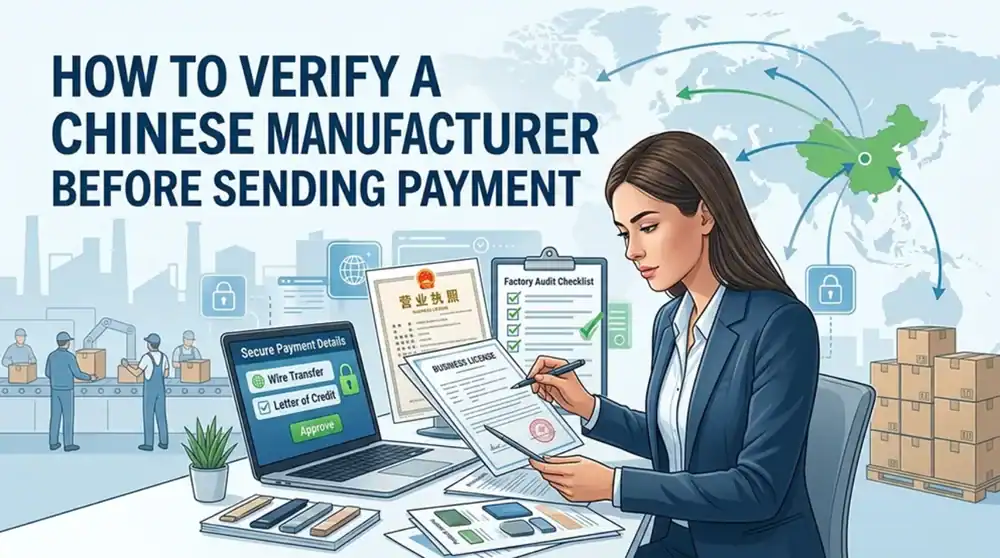
Never rely on supplier verbal claims.

Always request:

  • Test reports
  • Certification documents
  • Lab verification
  • Validity dates

Verify authenticity when possible.

E-commerce-Focused Quality Control

Quality control for e-commerce differs from wholesale container shipments. Amazon sellers must maintain low defect rates to protect listing rankings.

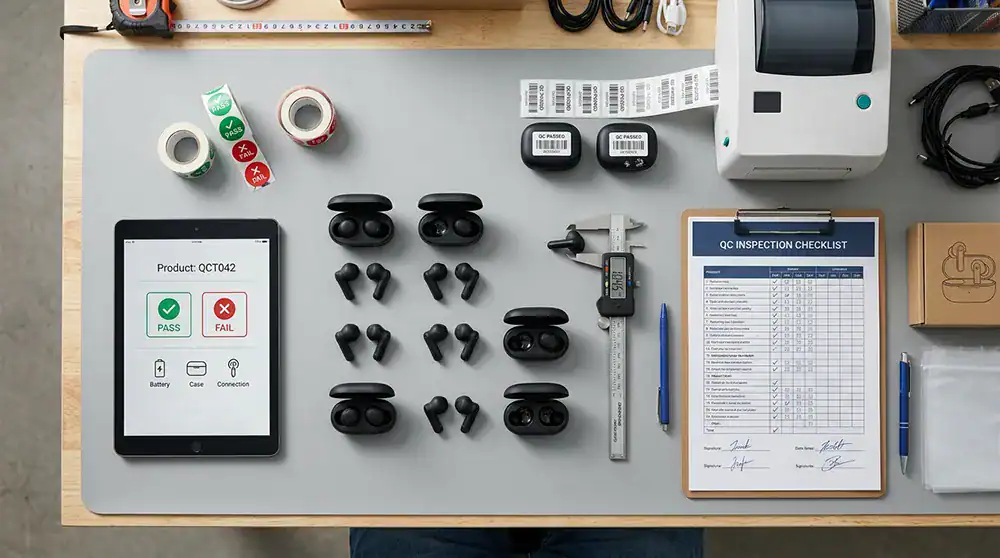
Recommended QC Process:

  1. Pre-production inspection
  2. During production inspection
  3. Pre-shipment inspection
  4. Random sampling with AQL standards

For FBA, carton drop testing is critical.

For DTC brands, packaging durability matters even more. A small defect rate can result in negative reviews that impact ranking and ad spend.

FBA Shipping from China

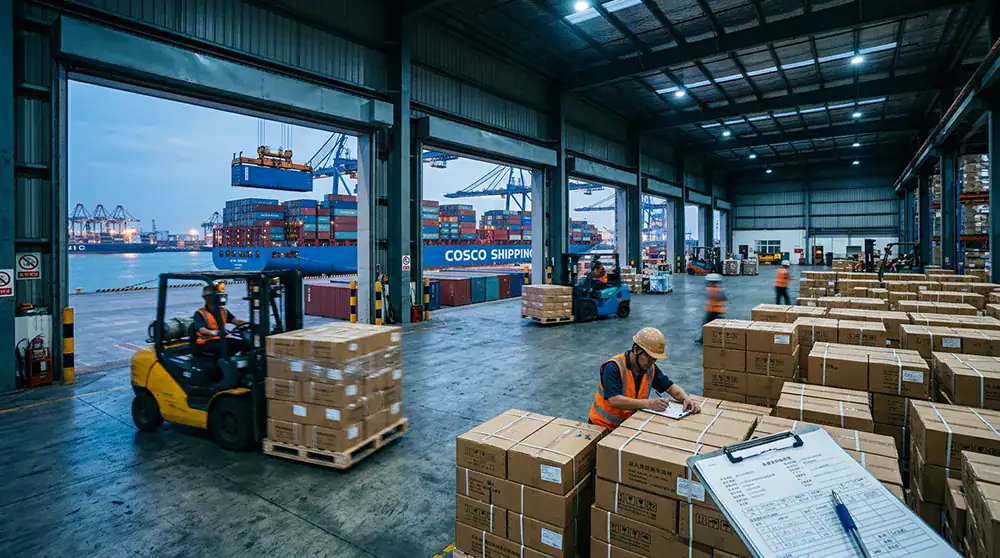
Shipping directly from China to Amazon FBA warehouses saves time but requires precision. Two main models exist:

1. Direct FBA Shipping

The factory ships goods directly to the Amazon warehouse. Best for experienced sellers with strong QC controls.

2. Third-Party Inspection & Prep Center

Goods ship to a prep center for inspection and relabeling. Safer for new sellers.

Shipping Methods Comparison

MethodSpeedCostBest For
Air FreightFastHighSmall inventory launches
Express CourierVery FastVery HighSamples or urgent restock
Sea FreightSlowLowLarge volume orders
Rail FreightMediumModerateEurope shipments

Shipping decisions affect inventory turnover and cash flow.

Product Sourcing from China for Shopify & DTC Brands

Shopify brands operate differently from Amazon sellers.

They control:

  • Customer experience
  • Fulfillment speed
  • Packaging presentation
  • Returns policy

Private label manufacturing becomes more important for brand identity.

Long-term ecommerce growth requires:

  • Stable supplier relationships
  • Predictable lead times
  • Clear production timelines
  • Backup supplier options

Supplier dependency is a risk factor. Diversification improves resilience.

Risk Mitigation in China Product Sourcing

Common risks include:

  • Payment fraud
  • Delayed production
  • Substandard quality
  • Intellectual property misuse
  • Hidden compliance issues

Mitigation strategies:

  • Use clear purchase agreements
  • Define penalty clauses
  • Avoid full upfront payments
  • Conduct background checks
  • Register trademarks before production

Risk control protects margins.

Step-by-Step Process for E-commerce Product Sourcing

A structured approach reduces failure probability.

Phase 1: Supplier Identification

  • Shortlist 5–8 suppliers
  • Compare pricing and MOQ
  • Assess communication speed

Phase 2: Sampling & Verification

  • Order samples
  • Test product durability
  • Validate compliance documents

Phase 3: Negotiation & Contracting

  • Confirm Incoterms
  • Define production timeline
  • Clarify packaging specifications

Phase 4: Production Monitoring

  • Conduct inspections
  • Approve packaging
  • Confirm shipping plan

Phase 5: Logistics & FBA Coordination

  • Label cartons
  • Schedule freight
  • Track shipment

Consistency builds supply chain reliability.

Cost Breakdown Example

Below is a simplified structure of sourcing costs:

Cost ComponentDescription
Unit CostProduct manufacturing
Tooling FeeCustom molds (if applicable)
PackagingBoxes, inserts, branding
InspectionQuality control services
FreightShipping cost
DutiesImport taxes
Amazon FeesFBA & referral fees

Profit margin depends on controlling each variable.

Why Structured Sourcing Matters for Amazon Rankings?

Amazon’s algorithm favors sellers with:

  • Low defect rates
  • Consistent inventory
  • Positive reviews
  • Fast shipping

Poor sourcing directly affects these signals.

Strong supplier management improves operational stability.

FAQs

1. How do I start sourcing products from China for Amazon?

Begin with product validation, then shortlist suppliers, request samples, verify compliance, and negotiate MOQ before placing a bulk order.

2. What is the minimum order quantity for private label products?

MOQ varies by product type, but many manufacturers allow smaller trial runs when long-term cooperation is discussed.

3. Can I ship directly from China to Amazon FBA?

Yes, but labeling, carton requirements, and compliance documentation must meet Amazon standards.

4. How do I ensure product compliance when sourcing from China?

Request official test reports, verify certification authenticity, and confirm regulatory requirements for your destination market.

5. Is sourcing from China for Shopify different from Amazon?

Yes. Shopify brands focus more on packaging presentation and brand differentiation, while Amazon sellers prioritize compliance and ranking stability.

Final Thoughts

Sourcing products from China for e-commerce is not simply a cost decision. It is a supply chain management exercise.

Amazon product sourcing in China requires structure, verification, and process control. Sellers who treat sourcing strategically achieve better margins and stable growth.

dtl sourcing control panels china

The Benefits of Outsourcing Control Panel Manufacturing to Asia

In the world of making things, especially in electrical engineering, making control panels needs to be done very carefully to make sure they work well and are of good quality. As businesses try to make their operations better, they are using outsourcing to save money and get help from experts. Asia is a popular place for companies to send their control panel manufacturing work. This article talks about how companies can benefit by getting control panels made in Asia. It explains how this can make the company work better, make better products, and be more competitive around the world.
 

The Evolution of Outsourcing in Manufacturing

Outsourcing used to be just about saving money, but now it is a more complex strategy that involves more than just paying lower wages. Businesses want to save money, but they also want to use outsourcing to get specific skills, make their work more efficient, and have more flexibility. Making control panels involves putting together important parts like fuses and circuit breakers. It needs people with good technical skills, who can work with great accuracy and can make things quickly. By having companies in Asia make their products, businesses can save money and improve how they operate.


Access to Specialized Skills and Expertise

One of the main benefits of hiring companies in Asia to make control panels is that they can find lots of skilled workers with the right knowledge. Asian countries like China, India, and Taiwan have spent a lot of money to get better at engineering and technical stuff. This investment has led to a team of people skilled at managing difficult manufacturing procedures, such as putting together control panels. Companies can use workers from Asia without having to spend a lot of money on training or hiring them.
Furthermore, companies in Asia have lots of experience working with many different types of businesses. They can share helpful tips and ideas to make control panels better. Asian manufacturers have a lot of knowledge about making things more efficient and keeping up with new technology. This helps businesses to stay ahead in their industry.


Cost-Effectiveness and Operational Efficiency

Outsourcing control panel manufacturing to Asia is a good idea because it’s cheaper. Labor costs are going up in Western countries, but in Asia, prices are still good and the quality is not affected. This means that we save money not just on labor, but also on materials, buildings, and other expenses. Therefore, companies can save a lot of money by using the cost advantages and efficient operations of Asian manufacturers.
In addition, hiring companies in Asia helps businesses improve their supply chain and make their production faster. Asian factories are placed close to places that make electronic parts, so they can get what they need on time and make things smoothly. By reducing wait times and making shipping more efficient, companies can make their products faster and better meet customer needs, which helps them stay ahead in fast-paced industries.


Quality Assurance and Compliance Standards

Even though people were worried about how well Asian manufacturers are checking the quality of their products, they have made a lot of progress in making sure their products meet high-quality standards and rules. Many Asian countries have put in place strict systems for making sure products are of good quality and meet international standards like ISO 9001 and ISO 14001. Furthermore, companies also spend money on high-tech equipment and technology to make sure their products are accurate and dependable.
In the world of making control panels, Asian manufacturers focus on making sure the panels are safe and reliable. They work hard to meet strict quality standards. Asian manufacturers make sure their products are high quality by doing thorough testing and following industry certifications like UL and CE. They focus on quality at all stages of making the product. Companies can reduce the risk of product problems by hiring companies in Asia to make their products. This will help keep their reputation good and make customers trust them for a long time.


Scalability and Flexibility

One more important benefit of having control panels made in Asia is that it helps businesses to easily adjust the production and have more options. Asian factories can handle making a little bit of stuff or a lot of stuff quickly and well. This ability to grow helps companies change their production to match market changes without spending too much money or having limited resources.
Additionally, hiring another company in Asia allows businesses to concentrate on what they are best at and what is most important to them. By having other companies in Asia make their products, companies can focus on coming up with new ideas, doing research, and finding ways to sell their products in more places. This plan helps companies to be quick and flexible in a changing and competitive market, to keep growing and making a profit in the long term.


Conclusion

In summary, having control panels made in Asia has a lot of advantages for companies. It helps them work better, compete more, and make higher-quality products. Businesses can use the skills and hard work of people in Asia to make products at a low cost and with good quality. This can help them work better and grow faster.

In this case, putting important parts like fuses and circuit breakers in control panels shows how important it is to make them very carefully and make sure they work well. This also shows why hiring companies in Asia to do this work is a good idea. By using the knowledge and skills of Asian manufacturers, companies can make sure that control panels work well and are safe in different industries. Many companies are sending their control panel manufacturing work to Asia because they want to save money and make better products.

eyosias-g-Vn5JVvpleCc-unsplash (1)

Chinese Tires Making Their Way Into Foreign Markets

The Chinese tire industry has grown dramatically over the past few years, especially when you consider where it started. The Chinese government has been pushing its companies to enter overseas markets, but many of these companies feel unprepared. The U.S., Germany, France and Japan have all instituted tariffs on Chinese tires that have been deemed unsafe for use on their roads due to quality concerns. China’s state-owned tires have historically been a better product than those produced by foreign companies. China’s major tire manufacturers have developed their own brands over the last decade and have chosen to focus on high-end markets such as SUV and luxury cars.


Chinese tire makers are in a position to make their mark on foreign markets:

In the last decade, China’s tire industry has undergone a rapid transformation. With strong government support and capital backing, Chinese companies have emerged as major players in the global marketplace.
In fact, many foreign consumers may be unaware of how many Chinese tires are on their vehicles because they are often marketed under other brands and names. For example: Michelin owns a minority stake in Wanli Tire Co., while Dunlop buys most of its tires from Shandong Ling Long Rubber Co.; Yokohama Rubber Company Limited has joint ventures with Shanghai Automotive Industry Corporation (SAIC) and First Auto Works Group Corporation (FAW).
It’s also working on safety compliance for trucking companies because trucks carry dangerous and expensive goods and it’s really important for a truck to have smooth and good quality tires!


The Chinese tire industry has been developing rapidly over the last few years:

The Chinese tire industry has been developing rapidly over the last few years. It’s now the world’s largest producer of tires, and its production capacity is expected to reach 30 million units in coming years.
The country’s tire exports have also been growing quickly; they reached $2 billion in 2017 and were up by 20 percent in 2018. This growth was driven mostly by rising demand from Africa and Latin America, where manufacturers are looking for cheaper alternatives to traditional European brands such as Michelin or Continental.

The largest consumer market in the world is still in China:

The largest consumer market in the world is still in China. The country’s population of 1.4 billion people is about three times that of the United States and nearly seven times that of the European Union’s combined populations.
China has been the world’s largest tire producer since 2012, according to data from Chengdu Industrial Tire Research Institute (CITRI). Its output has increased by more than 2% annually since then, reaching 25 million tires per year during 2017-2018–a record high for any single country on Earth!

The Chinese tires performance in foreign markets is overshadowing the domestic market:

The performance of Chinese tires in foreign markets is beginning to overshadow the domestic market. China’s low cost of labor and large production capacity have made it one of the world’s largest exporters of tires, but they face stiff competition from other manufacturers who are also trying to expand their business outside their home countries.
Chinese manufacturers have begun looking for ways to improve their product lines so they can increase their global market share. To do this, they need access to technology that can help them develop better products at lower costs than other companies in order to compete effectively with them on price and quality levels.

Foreign markets are beginning to recognize China’s unique place in the global tire industry:

As the world’s largest tire producer, China has been able to establish itself as a leader in global manufacturing and export. But now that Chinese tires are making their way into foreign markets, it is clear that these tires have distinct characteristics that set them apart from other manufacturers.
The unique nature of Chinese tires has caused some concern among experts who worry about whether or not they can compete with other brands on the market. However, many people believe that China’s place in this industry will only continue to grow stronger over time as they continue innovating new products and improving upon existing ones.

Chinese tires have a reputation for being cheap, low-quality and lacking innovation:

China has a reputation for producing cheap, low-quality tires. This is largely due to the government’s focus on making tires that are affordable rather than high quality. When you’re selling your tire to a market where most people make less than $5,000 per year and have little money for luxuries like new tires, it makes sense that you’d want to keep prices low so that more people can buy them.
However, this isn’t always the case: there are plenty of Chinese companies that produce high-end luxury car tires and truck tires as well (and they often cost twice as much). So why do some Chinese brands still have this reputation? It comes down to one thing: innovation–or lack thereof.

Most Chinese companies do not have the technology to produce high quality tires:

Most Chinese companies do not have the technology to produce high quality tires. The country’s tire industry is still relatively young, and most of its components are imported from abroad. For example, China only produces 1 percent of its rubber needs domestically and imports 98 percent from other countries like Thailand and Indonesia.

Different types of Chinese tires, include passenger tires and trucking tires:

There are many different types of Chinese tires, including passenger tires and trucking tires that are designed specifically for their respective industries.
The passenger segment is the largest category in China’s tire industry. It accounts for nearly 70% of the total sales volume of all car and light truck tires in China, as well as over 90% of the total market share in terms of revenue generation.
There are two sub-segments within this category: regular passenger car tires (RPC) and luxury sports utility vehicle (SUV) or crossover (CUV) tires. Both sub-segments have been growing rapidly in recent years due to strong demand from consumers who want quality products at reasonable prices; however, RPC remains more popular with consumers due to its higher quality compared with CUVs/crossovers.

You may want to consider buying Chinese tires if they fit your budget:

If you’re looking for a tire that fits your budget and offers the best value, Chinese tires may be worth considering. The fact that they are made in China has led many people to believe they can’t be as good as American or European tires, but this isn’t necessarily true. In fact, many Chinese tires are manufactured by companies with years of experience in the industry and use state-of-the-art technology in their production processes.
The prices of Chinese tires have been steadily falling over time due to increased competition between manufacturers and strong domestic demand for new cars in China itself–a trend that will likely continue as long as there is an increasing number of vehicles being sold every year.

There are around 300 tire manufacturers in China:

There are around 300 tire manufacturers in China, with an estimated annual output exceeding 100 million pieces. In fact, China is the world’s largest producer and consumer of tires. The industry has made great strides since its inception in 1958 when only 10 companies were producing tires at a total capacity of 1 million pieces. Nowadays there are more than 2,000 manufacturers with an annual output exceeding 200 million pieces.
China is home to many large-scale tire manufacturers including YOKOHAMA Rubber Company Ltd., Hankook Tire Co., Ltd., Michelin Group etc.

Conclusion

The Chinese tire industry has been growing rapidly over the last few years and it’s starting to make its mark on foreign markets. The Chinese government has been pushing its companies to enter overseas markets, but many of these companies feel unprepared. This is not surprising given how quickly things have changed in China over the last decade or so–but as we’ve seen with other industries, once they get started there’s no stopping them!

best practices for streamlining sourcing process

Best Practices for Streamlining the Sourcing Process for Electrical Control Panels

Efficiency in sourcing electrical control panels, particularly when it comes to components like analog PID controllers, cannot be overstated. By refining this process, companies can save time, reduce costs, and enhance the overall quality of their products. Analog PID controllers, critical for managing the temperature, pressure, and flow rates in industrial processes, require careful consideration during sourcing to ensure they meet the specific control needs of a project.
A streamlined sourcing procedure guarantees that these sensitive components and all necessary parts are delivered on time and meet the expected quality standards, ultimately impacting the project’s success. Here is how to do it:

Establishing Clear Specifications

The initial step in streamlining the sourcing process is to establish clear specifications. These guidelines dictate the standards and requirements for the electrical control panels, ensuring all stakeholders understand the needs clearly. Precise specifications serve as a reference, reducing the likelihood of miscommunication and errors.

Choosing Reputable Suppliers

Selecting reputable suppliers is critical. A reliable supplier will have a proven track record of delivering quality components on schedule. Building a strong relationship with such suppliers ensures that they understand your requirements and can provide customized solutions when needed.

Leveraging Technology for Better Management.

Advancements in technology offer tools for better sourcing process management. Utilizing software for inventory management, order tracking, and communication can significantly enhance efficiency. This digital approach allows for real-time updates and reduces manual errors.

Implementing Standardized Processes

Standardization is a powerful tool for streamlining operations. By establishing standardized sourcing procedures, organizations can ensure consistency and repeatability. This speeds up the sourcing process and makes it easier to train new staff and maintain quality control.

Negotiating Strategic Partnerships

Creating strategic partnerships with suppliers can lead to better terms and priority service. These relationships are built on mutual trust and the understanding that both parties benefit from streamlined operations. In the long term, such partnerships can lead to improved services and cost savings.

Maintaining Quality Checks

Quality checks are a non-negotiable part of the sourcing process. Implementing stringent quality assurance protocols ensures that every component meets the required standards before it’s integrated into the control panel. This minimizes the risk of future failures or safety issues.

Managing Inventory Efficiently

Efficient inventory management is pivotal for streamlining the sourcing process. Keeping track of stock levels and predicting future needs helps avoid last-minute rushes and ensures components are available when needed. This foresight helps in maintaining a balance between excess inventory and potential shortages.

Ensuring Continuous Improvement

The sourcing process should be dynamic, with continuous improvement as a key objective. Companies can adapt to changing markets and new technologies by regularly reviewing and optimizing procedures, further enhancing efficiency.

Adhering to Compliance and Safety Standards

Lastly, adherence to compliance and safety standards is essential. The sourcing process must align with industry regulations and safety guidelines to avoid legal issues and ensure the end-users’ safety. Compliance is a legal requirement and a testament to the company’s commitment to quality.

Conclusion: the Path to Enhanced Efficiency

In conclusion, streamlining the sourcing process for electrical control panels is a multifaceted endeavor. It requires attention to detail, a commitment to quality, and a willingness to embrace new technologies and practices. By following the outlined practices, companies can achieve a more efficient and reliable sourcing process, leading to better products and higher customer satisfaction. The journey toward enhanced efficiency is ongoing, and those who consistently seek improvement will remain competitive in this dynamic industry.